




Book an Appointment
MRI For Umbilical Region
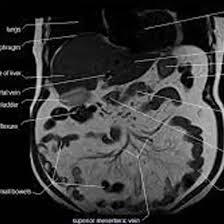
Medifyhome has collaborated with the best pathology laboratories that are NABL and NABH certified and follow ISO safety guidelines to provide the best MRI scan for the Umbilical Region at an affordable price for needy individuals. MRI scan is an important diagnostic tool used in the diagnoses of conditions that affect the umbilical zone. This area is found in the middle of the abdomen, and the presence of one or many spaces within this area, contain certain physical characteristics and can be potentially prone to habits like hernias, cysts, and tumors, among others. MRI operates with powerful magnets and radio waves to produce good resolution pictures of the internal organs without the use of radiation. This kind of procedure does not require a surgeon to be invasive and yield detailed images such that the doctors get a clear picture of the abdominal structures, blood supplying, and surrounding tissues around the umbilicus. The application of MRI in this area is especially important in cases when ultrasound, or CT scans would not be very helpful. MRI is effective in visualisation of various soft tissues and useful in characterization of the various pathologies to facilitate functional and medical intervention. The details of this procedure, its safety, and what to expect before, during, and after the MRI examination as it pertains to umbilical region conditions will be presented in this webpage. People who know what MRI is and how the process can in fact help are much at ease when they go for imaging processes.
To schedule an appointment for an MRI for Umbilical Region, simply contact Medifyhome or call our customer care at +919100907036 or +919100907622 for more details and queries.
Overview
Specification
FAQ
Overview
What is MRI?
The MRI is, therefore, a medical imaging technique that is used to make images of organs/tissues in the body. MRI is a technology that operates with strong magnets and radio waves in order to create images. According to this understanding, the MRT draws the hydrogen atoms in the body by dropping the magnetic field on them and through the radio waves interrupts this. And when the signal is switched off the hydrogen atoms release signals while getting back to normal position and these signals are used to build images. MRI uses high-resolution images that make it most suitable for capturing soft tissues, brain muscles and organs such as the thyroid gland. MRI is different from other techniques such as X-ray or computer tomography which utilise ionising radiation making MRI safer for many patients. MRI can be applied even to diagnose different disorders, such as tumours or flu, inflammation, and injuries. MRI is used to detect cancer, brain tumours, joint diseases, and spinal diseases. It can also be used to track the results of a disease or a treatment program.
Why MRI for the Umbilical Region?
MRI is especially useful in evaluating conditions in the umbilical area because of its features and certain possible pathologies developing in this location. Here are several reasons why MRI is chosen for imaging the umbilical region:
- Diagnostic Imaging of Soft Tissues
Soft Tissue Contrast: MRI is particularly valuable for imaging soft tissues and hence the surrounding structures, such as abdominal organs, blood vessels and connective tissue of the umbilical region are clearly demonstrated.
- The Evaluation of Abdominal Complaints
Hernias: It was found that MRI could be useful for the diagnosis of umbilical hernias and to differentiate between the size, content, and complication such as incarceration/strangulation.
Cysts and Tumours: It can determine whether a cyst or a tumour originating from the umbilical area is benign or malignant.
3.Vascular Assessment
Blood Vessel Imaging: Umbilical blood vessels location can be detected, and pathologies of the umbilical artery or vein are important for diagnosis of vascular problems.
- Non-Invasive and Safe
No Ionizing Radiation: MRI is safe for the patients, and it does not employ ionising radiation; therefore, MRI can be used for patients who are pregnant or children.
- Comprehensive Evaluation
Multi-Planar Imaging: MRI is characterised by the ability to image in multiple planes including sagittal, coronal and transverse, giving a good overview of the umbilical region and thus the right diagnosis.
- Follow-Up Imaging
Monitoring Changes: MRI is useful for definitive imaging for identifying new alterations in locations and types of previously detected pathology, such as expansion of a hernia or response of a tumor to therapy.
Procedure Overview for MRI of the Umbilical Region
- Preparation
- Clothing: It nearly goes without saying that patients are often asked to wear gowns which are supplied by the facility. That is why it is advisable not to wear any items of clothes with metal buttons or : accessories that might compromise the MRI.
- Metal and Implants: Patients should let the staff know about any internal implants like pacemakers or stents or any metal in the body that might be dangerous to use for an MRI.
- Dietary Instructions: Patients may be advised to fast before the MRI depending on the need for the scan and if the scan is to use a contrast medium.
- Arrival at the Facility
Check-In: Coming in the next section, patients will register for their appointment, and may be required to fill out forms about their medical history detailing previous scans.
- Positioning
- Lying Down: They will be placed on a cushioned operating table that is then drawn into the MRI machine. Technicians will assist in this usually to have the umbilical section in the middle of the scanner.
- Comfort Measures: Furniture or foam might be applied on the buttocks in order to have a comfortable position and earplugs or headphones will be put on to minimise sound disturbance during the scan.
- During the MRI Scan
- Staying Still: The patient has to keep very still during the scanning process for the purpose of getting clear pictures. This is the point the technician may tell patients the amount of time to take a breath and when to breathe normally.
- Communication: Through an intercom system mounted on the patient’s headrest, the patient can inform the technician of his or her discomfort during the procedure.
- Duration
Scan Time: The duration of the MRI scan for the umbilical region may, therefore, last between 20 and 45 minutes, depending on the particular approach chosen in the technical aspects of the scan and the number and type of sequences used.
- After the Procedure
Results: The images produced will be interpreted by a radiologist and a report will be produced and forwarded to the doctor, who referred the patient. They should make an appointment for a follow up in order to receive the results.
Safety and Comfort During MRI of the Umbilical Region
- Safety Measures
- Non-Ionizing Radiation: MRI is safe because it uses magnets and radio waves and does not involve exposure to ionizing radiation such as in the case of X-ray or CT scan.
- Screening for Implants: Patients will however be interviewed and checked for excluded items such as pacemakers or metal clips that may affect the MRI process. If you have any such devices, tell the technician.
- Contrast Agents: If a contrast agent is utilized, patients should report any allergies or kidney problems in order to reduce danger related with contrast administration.
- Comfort During the Scan
- Positioning: Many patients will have to lie on a padded table for comfort with the technician making sure that the patient is properly positioned to avail the imaging of the umbilical region.
- Noise Reduction: MRI machines can be loud. To reduce discomfort of the patients they are offered ear plugs or headphones to reduce the noise during the procedure making the scan.
- Temperature Control: MRI rooms are normally environmentally conditioned. If patients feel cold they can ask for a blanket that will make them comfortable.
- Mastery of anxiety and claustrophobia
- Open MRI Options: MRI may be outfitted with an open design in some centers that help people with fear or stressful feelings in a closed area.
- Relaxation Techniques: Patient’s anxiety can be reduced during the scan by either taking deep breath or by visually imagining something different from the scan.
- Support Person: Support people can be permitted to come with the patient in order to reduce distress; however, only the patient can usually enter the MRI room.
- Post-Procedure Care
Immediate Resumption of Activities: Patients can return to their normal activities, without any limitation, after MRI and in case of any limitation, the information is provided by the healthcare professional.
Follow-Up: MRI patients should talk to their doctor to find out what these results mean and what they should do next.
Specification
- Test Type: MRI For Umbilical Region
- Preparation:
- Wear a loose-fitting cloth
- Fasting required
- Carry Your ID Proof
- Prescription is mandatory for patients with a doctor’s sign, stamp, with DMC/HMC number; as per PC-PNDT Act
- Reports Time: With in 3-4 hours
- Test Price: Rs.4000
FAQ
What is an MRI?
MRI stands for Magnetic Resonance Imaging and is a non-invasive imaging technique that utilizes magnetic field and radio waves to develop images of internal organs and tissues of the body including the umbilical region.
What is this MRI for the umbilical region for if ever I needed to have one done on me?
An MRI may be required if there are umbilical hernias, cysts or tumors, more so cancerous ones or vascular problems. The above invention helps in providing clearer images when it comes to diagnosis of such problems.
Is the MRI procedure painful?
No, MRI is not painful, though you hear some noise during the procedure due to the magnets that are involved. Some patients may feel uncomfortable from lying still or from the position to take but the scan is not painful.
How long does the MRI take?
An MRI scan on the average takes between 20 to 45 minutes on average based on the protocol and the sequences involved.
Should I prepare for an MRI?
Yes, it simply means that you may have to change into a gown and remove things that contain metal. You may also be told not to eat or drink anything for a few hours before the scan depending with the situation.
What can be the dangers of MRI ?
MRI is relatively noninvasive, however, the patient should report any implanted object, or any allergies to any contrast agents to the technician if applicable.
What is involved in the scan?
Children can lie on their backs on a table, while the table slides them into the MRI machine. During the scan, you need to keep as still as possible and this may mean having to hold your breath from time to time. To minimize noise you will be supplied with earplugs or headphones.
Depends whether the MRI is for differential diagnosis or not, if so will I need contrast?
Contrast is not compulsory in an MRI scan as people seem to think it is. If ever there is a need to make a contrast between the body and other structures, the technician will briefly explain this to the patient together with the risks of contrast.
When will you give me the results?
A radiologist will then review your images and your provider will receive the report from the radiologist. You should make an appointment to consult with a doctor. His wife was a bad patient; she should schedule a follow up.
How can I book an appointment for an MRI for the Umbilical Region through Medifyhome?
To schedule an appointment for an MRI for the Umbilical Region, simply contact Medifyhome or call our customer care at +919100907036 or +919100907622 for more details and queries.
Why Choose Medifyhome for MRI For Umbilical Region?
Medifyhome is an online medical consultant that provides home-based medical services not only in your area but also in most cities in India, including Hyderabad, Chennai, Mumbai, Kolkata, and more. We have collaborated with diagnostic centers that have the best machines and equipment to ensure you get accurate results. Medifyhome provides 24-hour customer service for booking the appointment of the services and guides you with instructions. Medifyhome also provides the best diagnostic centers at low prices. Once you receive your test results, you can easily book an appointment with our network of experienced doctors for consultation. To schedule an appointment for an MRI for the Umbilical Region, simply contact Medifyhome or call our customer care at +919100907036 or +919100907622 for more details and queries.