




Book an Appointment
MRI For Prostate
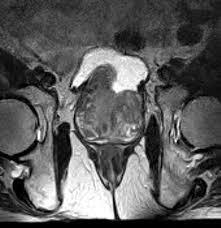
Medifyhome has collaborated with the best pathology laboratories that are NABL and NABH certified and follow ISO safety guidelines to provide the best MRI for Prostate at an affordable price for needy individuals. Magnetic Resonance Imaging (MRI) is a powerful, non-invasive imaging technology that plays a crucial role in the diagnosis and management of prostate health. Unlike other imaging methods such as X-rays or CT scans, MRI uses strong magnets and radio waves to create highly detailed images of the prostate gland and surrounding tissues. This allows doctors to see abnormalities like prostate cancer, benign conditions (such as BPH or prostatitis), and other issues with great clarity and precision. For men with prostate health concerns, MRI has become an essential tool. Whether you’re being screened for prostate cancer, undergoing active surveillance for an existing diagnosis, or monitoring the effectiveness of treatment, MRI provides a safe, effective, and detailed view that helps guide clinical decisions. By offering detailed insights without the use of harmful radiation, MRI has transformed the way prostate conditions are assessed and managed. In this guide, we’ll explore the role of MRI in prostate health, including what to expect during the procedure, the benefits of MRI, and how it helps doctors make more accurate diagnoses and treatment plans. Whether you’re scheduled for an MRI or just curious about how this technology works, understanding its capabilities can help you feel more informed and confident in your healthcare journey.To schedule an appointment for an MRI for Prostate, simply contact Medifyhome or call our customer care at +919100907036 or +919100907622 for more details and queries.
Overview
Specification
FAQ
Overview
Why MRI is Used for Prostate Health?
MRI (Magnetic Resonance Imaging) plays a crucial role in the diagnosis, staging, and management of prostate conditions, particularly prostate cancer. Here are the primary reasons why MRI is used for prostate health:
- Prostate Cancer Detection and Staging
Early Detection: MRI is highly effective in detecting prostate cancer, particularly in its early stages. It can identify tumors that may not be visible on other imaging modalities like ultrasound or digital rectal exams (DRE).
Staging: MRI provides detailed images that help assess the size, location, and extent of prostate cancer. It can determine whether the cancer is confined to the prostate or has spread to nearby tissues, lymph nodes, or other organs.
- Guiding Prostate Biopsy
Precision in Biopsy: MRI can help guide a biopsy by pinpointing the most suspicious areas within the prostate, which can lead to more accurate sampling of tissue. This targeted biopsy method increases the likelihood of detecting cancer and avoids unnecessary biopsies of areas that appear normal.
- Assessing Benign Prostate Conditions
Benign Prostatic Hyperplasia (BPH): MRI can help evaluate the size and structure of the prostate in patients with BPH, a condition in which the prostate becomes enlarged. Understanding the extent of enlargement can help plan treatment options, such as medication or surgery.
- Monitoring Treatment Effectiveness
Pre-Treatment Assessment: Before treatment for prostate cancer, MRI helps establish a baseline of the tumor’s size, location, and potential spread, which is critical for choosing the right treatment approach—whether surgery, radiation therapy, or active surveillance.
Assessing Tumor Response: In cases where hormone therapy or other medications are used to shrink tumors, MRI can provide valuable feedback on how well the treatment is working.
- Providing Detailed Imaging Without Radiation
Non-Invasive and Safe: Unlike CT scans or X-rays, MRI does not use ionizing radiation, making it a safer option for repeated imaging, especially for patients undergoing long-term monitoring.
- Better Assessment of Prostate Cancer Aggressiveness
Differentiating Between Cancer Types: Different types of prostate cancer behave differently. MRI, particularly mpMRI, can help distinguish between aggressive, high-grade cancers and slow-growing, low-grade tumors, allowing for more personalized treatment strategies.
How MRI Works for Prostate Health?
Magnetic Resonance Imaging (MRI) is a special type of scan that helps doctors look inside your body without using surgery. For prostate health, MRI is particularly helpful because it creates detailed pictures of the prostate gland and surrounding tissues. Here’s how it works in simple terms:
- The Basics of MRI
Magnetic Field: MRI uses a very strong magnet to make the hydrogen atoms in your body align in a certain way. Since your body is mostly made up of water (and water has hydrogen), this magnet helps create clear images of soft tissues like the prostate.
Radio Waves: After the magnet aligns your hydrogen atoms, the MRI machine sends short pulses of radio waves into your body. These waves temporarily move the atoms, and when the radio waves turn off, the atoms return to their original position, sending signals back to the machine.
- Multiparametric MRI (mpMRI) for More Detail
For prostate health, doctors often use something called multiparametric MRI (mpMRI), which is a combination of different types of images to get the most detailed and accurate pictures. Here’s how each part helps:
T2-Weighted Imaging (T2WI): This image shows the basic structure of the prostate. Cancerous areas usually appear darker because they are different from normal tissue.
Diffusion-Weighted Imaging (DWI): This part helps show if there is any abnormal growth or cancer in the prostate. Tumors often stop water from moving properly, so they appear brighter in this type of scan.
- Why MRI is Helpful for Prostate Health
Detects Cancer: MRI is excellent at spotting prostate cancer, even in its early stages, by showing areas that look different from normal prostate tissue.
Guides Biopsy: If the MRI shows suspicious areas, it can help guide doctors to take a biopsy from the right spot. This makes biopsies more accurate.
What to Expect During an MRI for Prostate Health?
- Before the MRI: Preparation
Arrive Early: You’ll need to arrive at the imaging center or hospital at least 15 minutes before your scheduled appointment. This allows time to complete any necessary paperwork and get ready for the scan.
Full Bladder: For a prostate MRI, you may be asked to drink water before the exam and have a full bladder. This helps push the prostate into a better position for clearer images. You may be instructed to stop drinking about an hour before the scan, but be sure to follow your doctor’s specific instructions.
- During the MRI: The Procedure
Positioning: You will lie down on a table inside the MRI machine. Typically, you will be asked to lie on your back, with your legs slightly apart. The technician will make sure you are comfortable and positioned properly for the scan.
The MRI Scan: Once you are in position, the MRI machine will begin the scan. You will be asked to lie still and may be instructed to hold your breath briefly at certain points. The MRI will take between 30 to 60 minutes, depending on the complexity of the exam.
Noise: MRI machines can be quite loud, making tapping, thumping, or banging noises during the scan. You’ll be given earplugs or headphones to block out the noise, and some MRI centers offer music to help you relax.
- After the MRI: Recovery and Results
No Recovery Time: There is no recovery required after an MRI. You can go back to your normal activities immediately, including eating, drinking, and driving, unless you were sedated (which is uncommon for prostate MRIs).
Benefits of MRI for Prostate Health
MRI (Magnetic Resonance Imaging) offers numerous advantages for diagnosing, monitoring, and managing prostate conditions, especially prostate cancer. Here’s an overview of the key benefits:
- High-Resolution, Detailed Imaging
Clear Visuals: MRI provides high-quality, detailed images of the prostate and surrounding tissues. This is especially important because the prostate is a soft tissue organ, and MRI excels at distinguishing between different types of soft tissues.
- Non-Invasive and Safe
No Radiation: Unlike CT scans and X-rays, MRI does not use ionizing radiation, making it a safer option for patients, especially those who may need repeated scans over time.
Non-Invasive: MRI is a non-invasive imaging technique, meaning it doesn’t require surgery or injections into the body.
- Accurate Detection of Prostate Cancer
Sensitive to Cancerous Tissue: MRI, particularly multiparametric MRI (mpMRI), combines different imaging techniques to give a highly accurate picture of prostate cancer. This helps doctors detect cancerous areas that might not be visible with other methods.
- Guiding Biopsy Procedures
Targeted Biopsy: One of the major benefits of MRI is its ability to help guide prostate biopsy procedures. If an MRI shows a suspicious area, doctors can use MRI imaging to target that specific area during the biopsy, increasing the likelihood of detecting cancer and improving the accuracy of the biopsy results.
- Assessment of Cancer Stage and Spread (Staging)
Staging Prostate Cancer: MRI is extremely helpful in determining the stage of prostate cancer. It can show whether the cancer is confined to the prostate or has spread to nearby tissues or lymph nodes.
- Monitoring Treatment and Progress
Post-Treatment Monitoring: After prostate cancer treatments like surgery, radiation, or hormone therapy, MRI can be used to monitor for recurrence or any remaining cancer. It helps doctors check if the cancer has responded to treatment or if additional treatments are necessary.
Specification
- Test Type: MRI For Prostate
- Preparation:
- Wear a loose-fitting cloth
- you will need to fast for a prostate MRI
- Carry Your ID Proof
- Prescription is mandatory for patients with a doctor’s sign, stamp, with DMC/HMC number; as per PC-PNDT Act
- Reports Time: With in 4-6 hours
- Test Price: Rs.4000
FAQ
How can I book an appointment for an MRI for Prostate through Medintu?
To schedule an appointment for an MRI for Prostate, simply contact Medintu or call our customer care at +919100907036 or +919100907622 for more details and queries.
What is an MRI, and how does it work?
An MRI (Magnetic Resonance Imaging) is a non-invasive imaging technique that uses strong magnets and radio waves to create detailed pictures of the inside of your body. For prostate health, it produces high-quality images of the prostate gland and surrounding tissues, allowing doctors to detect any abnormalities, including prostate cancer.
Is the MRI procedure painful?
No, an MRI itself is not painful. You may feel a bit of pressure if an endorectal coil is used (which is sometimes inserted into the rectum to improve image quality), but this is generally not painful. The biggest challenge for many patients is staying still during the scan, as any movement can blur the images.
How long does a prostate MRI take?
The MRI scan typically takes between 30 to 60 minutes, depending on the complexity of the images required. Some scans may take longer if multiple imaging sequences or contrast dye is used.
What should I wear for my MRI appointment?
Wear loose, comfortable clothing without metal fasteners, zippers, or jewelry. You will likely be asked to change into a hospital gown, so wearing easy-to-remove clothing is a good idea. Metal objects must be removed before the scan because the MRI uses strong magnets.
Do I need to fast before my MRI?
For most prostate MRIs, fasting is not required. However, if contrast dye (gadolinium) is being used, you might be asked to avoid eating or drinking for a few hours before the procedure. Always follow the specific instructions provided by your healthcare provider or the MRI facility.
Will I be given a contrast dye for my prostate MRI?
Some prostate MRIs, particularly multiparametric MRIs (mpMRI), may require an intravenous injection of contrast dye (gadolinium). The contrast helps highlight abnormal tissues like tumors, providing clearer and more detailed images. If you’re allergic to contrast dye or have had reactions to it in the past, make sure to inform your healthcare provider ahead of time.
Do I need to worry about radiation during the MRI?
No, MRI does not use ionizing radiation like X-rays or CT scans. It uses strong magnetic fields and radio waves, making it a safer imaging method for tracking prostate health, especially for patients who require multiple scans.
What if I feel claustrophobic in the MRI machine?
Some people experience feelings of claustrophobia when inside the MRI machine because it is a narrow tube. If you are nervous, let the MRI technician know before the scan begins. They may offer a mild sedative or allow you to take breaks during the procedure. You will also be able to communicate with the technician through an intercom if you feel uncomfortable during the scan.
What happens if something unusual is found on the MRI?
If the MRI detects something unusual, such as a tumor or abnormal growth, your doctor may recommend further tests, like a biopsy, or discuss potential treatment options. The MRI can also help determine whether a biopsy is necessary and guide the biopsy to the exact area of concern.
Why Choose Medifyhome for MRI For Prostate?
Medifyhome is an online medical consultant that provides home-based medical services not only in your area but also in most cities in India, including Hyderabad, Chennai, Mumbai, Kolkata, and more. We have collaborated with diagnostic centers that have the best machines and equipment to ensure you get accurate results. Medifyhome provides 24-hour customer service for booking the appointment of the services and guides you with instructions. Medifyhome also provides the best diagnostic centers at low prices. Once you receive your test results, you can easily book an appointment with our network of experienced doctors for consultation. To schedule an appointment for an MRI for Prostate, simply contact Medifyhome or call our customer care at +919100907036 or +919100907622 for more details and queries.