
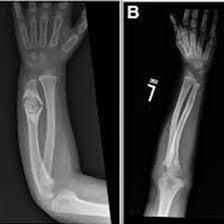
MRI For Left Forearm
Book your MRI For Left Forearm at Medifyhome, where we offer top-quality scans at the best prices. Our NABL & NABH accredited diagnostic centers ensure accurate and reliable results.




Book an Appointment
MRI For Left Forearm
Medifyhome has collaborated with the best pathology laboratories that are NABL and NABH certified and follow ISO safety guidelines to provide the best MRI For Left Forearm at an affordable price for needy individuals. MRI (Magnetic Resonance Imaging) for the left forearm is a non-invasive imaging technique that provides detailed pictures of the bones, muscles, tendons, ligaments, and nerves in this important part of the body. Unlike X-rays and CT scans, which primarily focus on bone structures, MRI uses strong magnetic fields and radio waves to generate clear images of soft tissues, making it an ideal tool for diagnosing a wide range of injuries and conditions affecting the forearm. Whether you’re recovering from an injury, experiencing chronic pain, or dealing with an unexplained issue in your forearm, MRI offers precise insights into the condition of your tissues and bones. It’s especially useful for identifying soft tissue damage, such as ligament tears, tendonitis, muscle strains, or nerve compression. Additionally, MRI helps detect fractures or stress injuries that might not be visible on traditional X-rays. The MRI process is painless, safe, and does not involve radiation, making it a valuable tool for accurate diagnosis and treatment planning. If you’re experiencing unexplained pain or discomfort in your forearm, MRI can help doctors pinpoint the exact cause, leading to more effective treatment options tailored to your needs.
To schedule an appointment for a MRI For Left Forearm, simply contact Medifyhome or call our customer care at +919100907036 or +919100907622 for more details and queries.
Overview
Specification
FAQ
Overview
Why is MRI for the Left Forearm Used?
MRI for the left forearm is an essential diagnostic tool that provides detailed images of both bone and soft tissue structures. It is used to assess a wide range of conditions and injuries that may affect the forearm, including the muscles, tendons, ligaments, nerves, and bones. Here are the primary reasons why MRI for the left forearm is commonly recommended:
- Diagnosing Soft Tissue Injuries
Muscle Strains or Tears: MRI is excellent at detecting muscle damage, strains, and tears in the forearm. It helps assess the extent of the injury and guides treatment, whether it’s rest, physical therapy, or surgery.
- Detecting Bone Fractures and Stress Injuries
Fractures: While X-rays are commonly used for fractures, MRI can offer a more detailed view of fractures that are difficult to detect, particularly in the forearm’s complex bone structures (such as the radius and ulna). MRI also helps evaluate the healing process of bone fractures.
- Identifying Nerve Compression or Injury
Carpal Tunnel Syndrome: MRI can help visualize compression of the nerves in the forearm or wrist, which may lead to conditions like carpal tunnel syndrome, causing numbness, tingling, and weakness in the hand.
- Assessing Chronic Conditions
Tendinitis: MRI can reveal chronic inflammation in the tendons, such as tendinitis, which is common in repetitive motion injuries affecting the forearm.
- Monitoring Post-Surgical Recovery
Post-Surgery Evaluation: If you have had surgery to repair a fracture, ligament, or tendon in the forearm, MRI can help track your recovery by showing how well the tissues are healing and whether any complications (such as infections or re-injury) have occurred.
- Pre-Surgical Planning
Surgical Preparation: For patients requiring forearm surgery—whether to repair a tendon, ligament, or bone—MRI provides detailed imaging that helps surgeons plan their approach. It ensures that they have a clear understanding of the injury and surrounding tissues, leading to better surgical outcomes.
How MRI for Left Forearm Works?
MRI (Magnetic Resonance Imaging) for the left forearm works by using a strong magnetic field, radio waves, and a computer to produce detailed images of the structures inside the forearm, such as muscles, tendons, ligaments, bones, and nerves. Here’s how the process works:
- Magnetic Field
The MRI machine uses a powerful magnetic field, usually around 10,000 to 30,000 times stronger than the Earth’s magnetic field. This magnetic field aligns the protons (tiny particles) in the body, particularly those in water molecules (which are abundant in soft tissues).
- Radio Waves
After the magnetic field aligns the protons, the MRI machine sends a pulse of radio waves into the body. This energy causes the protons to momentarily move out of alignment.
- Signal Detection
The MRI machine detects the energy released by the protons as they realign and converts it into electrical signals. The signals vary depending on the type of tissue they come from. For example, soft tissues like muscles, tendons, and ligaments release different signals than bones or fat.
- Image Formation
A computer processes these signals and uses them to create cross-sectional images (slices) of the forearm. These images are highly detailed and provide a clear view of the internal structures, including muscles, bones, nerves, blood vessels, and connective tissues.
- Contrast Agent (if necessary)
In some cases, a contrast agent may be injected into the body to improve the clarity of the images. The contrast dye helps to highlight specific areas, such as blood vessels or abnormal growths, making them easier to see on the MRI scan.
- No Radiation
Unlike X-rays or CT scans, MRI does not use ionizing radiation, making it a safer option for repeated imaging. This makes it particularly suitable for diagnosing soft tissue injuries, chronic conditions, and evaluating progress after treatment or surgery.
Common Conditions Diagnosed with MRI for Left Forearm
MRI for the left forearm is particularly effective for diagnosing a wide range of conditions that affect both the bones and soft tissues (muscles, tendons, ligaments, and nerves) of the forearm. Below are some of the most common conditions that can be diagnosed using MRI:
- Fractures and Bone Injuries
Stress Fractures: MRI is highly sensitive in detecting stress fractures, which may not show up clearly on X-rays. These fractures, often caused by repetitive stress or overuse, can lead to pain and discomfort in the forearm.
Complex Fractures: MRI can identify fractures that involve both bones of the forearm (radius and ulna) or fractures that affect the joints, especially when traditional X-rays may miss them.
- Soft Tissue Injuries
Muscle Strains and Tears: MRI is the gold standard for diagnosing muscle injuries, including strains and tears in the forearm muscles. It helps determine the severity of the injury, whether it’s a minor strain or a full tear that requires surgery.
Tendonitis (Tendinopathy): MRI is used to detect inflammation or degeneration in the tendons of the forearm. This is common in athletes or individuals who perform repetitive movements, such as in tennis elbow (lateral epicondylitis).
- Ligament Injuries
Sprains and Tears: MRI is ideal for detecting ligament injuries, such as sprains or tears, which may occur from trauma or overuse. The MRI can show the extent of damage to ligaments in the wrist, elbow, or other joints in the forearm.
Instability in the Elbow Joint: Ligament damage in the elbow (like the ulnar collateral ligament) can lead to joint instability and pain, often requiring MRI for evaluation and treatment planning.
- Nerve Compression or Injuries
Carpal Tunnel Syndrome: MRI can be used to evaluate compression of the median nerve at the wrist, which can lead to symptoms like numbness, tingling, and weakness in the hand. Though nerve conduction studies are typically used, MRI can help assess the structural causes.
Ulnar Nerve Entrapment: MRI can help identify compression or entrapment of the ulnar nerve in the forearm, which may cause symptoms like weakness or tingling along the little finger or the inside of the forearm.
- Joint Problems
Arthritis: MRI can detect both osteoarthritis and rheumatoid arthritis in the elbow or wrist joints of the forearm. It helps assess joint damage, inflammation, and the extent of cartilage loss.
Synovitis: Inflammatory conditions that affect the synovial lining of the joint (like in arthritis or after injury) can be visualized with MRI, helping to diagnose and guide treatment.
- Tendinopathy and Tenosynovitis
Chronic Tendon Problems: MRI can identify chronic issues like tendinopathy (tendon degeneration) or tenosynovitis (inflammation of the tendon sheath), often caused by repetitive motions or overuse.
When is MRI for Left Forearm Recommended?
MRI for the left forearm is typically recommended when a doctor needs to assess injuries or conditions that are not easily visible through X-rays or physical exams. Since MRI provides detailed images of both soft tissues (muscles, tendons, ligaments) and bones, it is particularly useful for diagnosing conditions that affect these structures. Below are the common situations in which an MRI for the left forearm may be recommended:
- Persistent or Unexplained Pain
Chronic Pain: If you experience ongoing pain in the forearm that doesn’t improve with rest, physical therapy, or medication, an MRI can help identify underlying issues like tendinitis, nerve compression, or soft tissue injuries.
Unexplained Swelling or Weakness: Swelling or weakness that persists for weeks, even without an obvious injury, may be indicative of an internal issue that MRI can help uncover, such as a torn tendon or muscle strain.
- Post-Injury Evaluation
Trauma or Accidents: If you’ve recently injured your forearm due to a fall, sports injury, or car accident, MRI is often recommended to assess the extent of the injury. MRI can identify fractures, ligament tears, muscle damage, and internal bleeding that might not be visible on X-rays.
- Nerve-Related Symptoms
Numbness, Tingling, or Weakness: MRI is often used when you experience symptoms such as numbness, tingling, or weakness in the forearm or hand. Conditions like carpal tunnel syndrome or ulnar nerve entrapment can be diagnosed with MRI, especially when physical exams or nerve conduction tests aren’t conclusive.
- Soft Tissue Injuries
Muscle Strains or Tears: If you have suffered a muscle injury or strain in the forearm, and your symptoms don’t improve with basic treatment, MRI can reveal the extent of the muscle damage, helping doctors plan the right course of action.
- Chronic Conditions or Overuse Injuries
Tendinitis or Tendonitis: Repetitive motions, like those in sports (e.g., tennis elbow) or manual labor, can lead to tendon inflammation or degeneration. MRI is useful for diagnosing these chronic conditions and assessing the degree of tissue damage.
- Pre-Surgical Planning
Before Surgery: If you require surgery to repair a bone fracture, tendon tear, or ligament injury, MRI can help plan the surgical approach. It provides detailed images of the tissues, joints, and bones, ensuring a more accurate and effective surgical procedure.
Benefits of MRI for Left Forearm
MRI (Magnetic Resonance Imaging) for the left forearm offers several important advantages, particularly in diagnosing conditions related to both soft tissues and bones. Here are some key benefits of using MRI to evaluate the left forearm:
- Non-Invasive and Safe
No Radiation: Unlike X-rays or CT scans, MRI does not use ionizing radiation, making it a safer option, especially for repeated imaging. This is especially important when assessing injuries or conditions in children, athletes, or individuals requiring follow-up scans.
- Detailed Imaging of Soft Tissues
Muscles, Tendons, and Ligaments: MRI excels at imaging soft tissues, which is critical for diagnosing injuries like muscle strains, tendon tears, or ligament sprains that might not be visible on X-rays. It provides high-resolution images of muscles, tendons, and ligaments in the forearm, helping doctors understand the extent of the injury.
- Clear Visualization of Bone and Joint Structures
Fractures and Stress Injuries: While X-rays are commonly used to detect bone fractures, MRI provides a more detailed image of fractures, especially for complex fractures or stress fractures in the forearm. It can also detect subtle bone bruises or hairline fractures that might not be visible on traditional imaging.
- Early Detection of Abnormalities
Soft Tissue Tumors or Cysts: MRI can detect the presence of soft tissue tumors, cysts, or masses in the forearm, whether they are benign (like lipomas or ganglion cysts) or malignant. Early detection of these growths allows for timely treatment.
- Comprehensive Assessment of Complex Injuries
Multiple Tissue Evaluation: MRI can simultaneously evaluate various structures in the forearm—bones, muscles, ligaments, tendons, and nerves. This makes it invaluable in cases where multiple tissues are involved, such as when there is both a muscle strain and a ligament tear.
- Guiding Treatment Decisions
Treatment Planning: MRI helps doctors plan treatment options by providing a clear picture of the injury’s severity and extent. Whether conservative treatment (physical therapy, medication) or surgical intervention is needed, MRI helps guide decision-making for the most appropriate treatment.
Specification
- Test Type: MRI For Left Forearm
- Preparation:
- Wear a loose-fitting cloth
- Fasting not required
- Carry Your ID Proof
- Prescription is mandatory for patients with a doctor’s sign, stamp, with DMC/HMC number; as per PC-PNDT Act
- Reports Time: With in 4-6 hours
- Test Price: Rs.4500
FAQ
How can I book an appointment for a MRI For Left Forearm through Medifyhome?
To schedule an appointment for a MRI For Left Forearm, simply contact Medifyhome or call our customer care at +919100907036 or +919100907622 for more details and queries.
What is an MRI of the left forearm?
An MRI of the left forearm is a diagnostic imaging procedure that uses strong magnets, radio waves, and a computer to produce detailed images of the soft tissues (muscles, tendons, ligaments, and nerves) and bones in your forearm. It helps in diagnosing conditions such as fractures, muscle tears, tendon injuries, nerve compression, arthritis, and other injuries or abnormalities.
Is an MRI for the left forearm painful?
No, an MRI for the left forearm is generally painless. During the scan, you will be asked to lie still while the machine takes images. The process itself is non-invasive, but some people may find the MRI machine noisy or experience mild discomfort from having to hold a specific position for a period of time.
Do I need to prepare for an MRI of the left forearm?
Preparation is minimal. You may be asked to remove any metal objects, such as jewelry, watches, or clothing with zippers, as they can interfere with the MRI’s magnetic field. You should wear comfortable, metal-free clothing. If a contrast agent is required, you may be asked about any allergies or kidney issues before the injection.
How long does an MRI for the left forearm take?
An MRI of the left forearm usually takes between 30 to 45 minutes, depending on the complexity of the scan and whether contrast is used. You’ll need to remain still throughout the procedure to ensure clear, accurate images.
Is there any risk involved with an MRI of the left forearm?
MRI is a safe, non-invasive procedure and does not use ionizing radiation (like X-rays or CT scans). However, if you have certain implants (such as pacemakers, cochlear implants, or metal fragments in the body), you should inform your doctor as MRI may not be suitable for everyone. Pregnant women should also consult their healthcare provider before having an MRI, although MRI is generally considered safe during pregnancy when necessary.
What can an MRI of the left forearm diagnose?
MRI can diagnose a wide range of conditions in the forearm, including:
- Fractures, stress fractures, and bone injuries
- Tendonitis, muscle strains, and tears
- Ligament injuries and sprains
- Nerve compression (e.g., ulnar nerve or radial nerve issues)
- Arthritis and joint damage
- Soft tissue tumors or cysts
- Infections or fluid collections
- Post-surgical complications or healing.
Do I need a contrast dye for the MRI?
A contrast agent (dye) may be used in some cases to enhance the images and provide better detail. It is often used to highlight blood vessels, tumors, or areas with inflammation. The use of contrast is determined by your healthcare provider based on the specific condition being evaluated.
Why Choose Medifyhome for MRI For Left Forearm?
Medifyhome is an online medical consultant that provides home-based medical services not only in your area but also in most cities in India, including Hyderabad, Chennai, Mumbai, Kolkata, and more. We have collaborated with diagnostic centers that have the best machines and equipment to ensure you get accurate results. Medifyhome provides 24-hour customer service for booking the appointment of the services and guides you with instructions. Medifyhome also provides the best diagnostic centers at low prices. Once you receive your test results, you can easily book an appointment with our network of experienced doctors for consultation. To schedule an appointment for a MRI For Left Forearm, simply contact Medifyhome or call our customer care at +919100907036 or +919100907622 for more details and queries.