Calcium IV Drips: The Modern Solution for Stronger Bones
Table of Contents
The Hidden Bone Crisis Nobody Talks About
- A recent study tells that every 3 seconds, somewhere in the world, someone breaks a bone because their bones are too weak. This happens more often than heart attacks or strokes, yet most people don’t think about their bone health until it’s too late.
- While everyone talks about losing weight or keeping their heart healthy, bone strength stays hidden in the background. But here’s the thing – your bones help you move, walk, and live independently. When they become weak, your life starts changing.
- Most people think they’re protecting their bones by taking calcium pills every day. They swallow those big white tablets, believing that they’re doing everything right. But what if those pills aren’t working as you think?
- Calcium IV drips are changing the game completely. This new treatment doesn’t depend on your stomach to absorb calcium. But it delivers calcium directly into your bloodstream, where your bones can use it immediately.
- It is not at all a supplement – it’s a completely different way to strengthen your bones. Both the pills and this treatment get you there, but one is much faster and more reliable.
- If you’ve been taking calcium pills for months or years but still worry about your bones, this guide will show you why IV calcium might be missing in your bone health puzzle.
Your Bones: The Ultimate Renovation Project
The Bone Remodelling Mystery
Imagine your bones as a busy construction site that never sleeps. Every day, specialized cells called osteoclasts demolish old bone tissue while osteoblasts build fresh, strong bone material. This amazing process happens 24/7 throughout your entire life, and this constant renovation process is called bone remodelling, and calcium is the premium building material.
When this construction site runs low on calcium supplies, the renovation slows down. Old bone tissue doesn’t get replaced efficiently, leading to the bone equivalent of a crumbling building.
The Modern Calcium Crisis
- Today’s world makes it harder than ever to get enough calcium to our bones. Here’s what’s working against us:
- Our Food Has Changed Modern processed foods are missing their natural calcium. The foods our grandparents ate contained much more calcium than what we eat today. Even fruits and vegetables have less calcium now because the soil is depleted.
- Stress Steals Calcium When you’re stressed, your body produces hormones like cortisol. These stress hormones pull calcium out of your bones and flush it out of your body through urine. The more stress you get, the more calcium you lose.
- We Don’t Move Enough Your bones need signals to stay strong. When you sit all day, your bones think they don’t need to be strong anymore. It’s like telling your construction crews to use cheaper materials because the building doesn’t need to be as sturdy.
- Hidden Calcium Blockers Many things in our environment compete with calcium for absorption. Caffeine, alcohol, excess salt, and even some medications can interfere with how well your body absorbs and uses calcium.
- Age Makes Everything Harder As we get older, our stomach produce less acid, which makes it harder to absorb calcium from food and pills. Women face an extra challenge after menopause because they lose estrogen, which helps protect bones.
- The result of all these factors is what experts call calcium deficiency – a condition where your bones can’t get enough calcium to stay strong, no matter how many calcium pills you take.
Why Traditional Calcium Pills Are Failing You
The Absorption Bottleneck
Here’s something that might shock you: most of the calcium in those pills you’re taking never reaches your bones. Your digestive system is surprisingly bad at absorbing calcium, even when you’re doing everything “right.”
Think of it this way – imagine trying to fill a large bucket with water, but the only tool you have is a tiny straw. No matter how much water you pour, only a small amount makes it into the bucket. That’s exactly what happens with calcium tablets.
Why Your Stomach Struggles with Calcium Pills:
- Your stomach needs to be very acidic to break down calcium pills properly. But many people, especially those over 50, don’t produce enough stomach acid. Without enough acid, the calcium pill just sits in your stomach like a rock.
- Even when your stomach acid is perfect, you can only absorb about 500mg of calcium at one time. Most calcium pills contain 1000mg or more, which means you’re wasting more than half of what you’re taking.
- Calcium also needs help from other nutrients to be absorbed properly. If you don’t have enough vitamin D, magnesium, or vitamin K2 in your system, the calcium can’t get into your bones effectively.
- Timing Is Everything When you take calcium pills, it matters, too. Take them with coffee? Caffeine blocks absorption. Take them with a big meal? Other nutrients compete for absorption. Take them on an empty stomach? They might cause stomach upset, and you won’t absorb them well.
The Calcium Supplement Paradox
Here’s something that confuses many people: some people who take calcium supplements every day have bad bone health than people who don’t take supplements at all. This seems impossible, but there’s a scientific explanation.
The False Security Problem When people take calcium pills, they often think they’re completely protecting their bones. This false sense of security leads them to ignore other important aspects of bone health, like exercise, vitamin D, and eating calcium-rich foods.
The Calcium Traffic Jam Sometimes, when you take large doses of calcium all at once, it creates a “traffic jam” in your digestive system. Your body can only process so much calcium at one time, so the excess gets wasted. Meanwhile, this calcium traffic jam can block the absorption of other important bone nutrients.
The Calcium Paradox Some studies have found that people taking high doses of calcium supplements have more heart problems and kidney stones. This happens when calcium isn’t properly directed to the bones and instead gets deposited in soft tissues where it doesn’t belong.
This is why many doctors are now questioning whether traditional calcium supplements are the best approach for everyone.
Enter the Game-Changer: Calcium IV Drips
The Direct Route Revolution
Calcium IV therapy is like having a VIP pass to your bloodstream. Instead of navigating the obstacle course of digestion, calcium travels the express lane directly to your bones.
This isn’t just another supplement – it’s a precision delivery system that ensures every milligram of calcium reaches its destination.
The Technology Behind the Magic
Modern IV calcium solutions use advanced formulations that:
- Contains calcium in its most bioavailable form
- Include co-factors that enhance bone utilization
- Maintain optimal pH levels for cellular uptake
- Provide sustained release for maximum benefit
How It Actually Works During calcium IV treatment, a small, thin tube (called a catheter) is placed in a vein in your arm. This is similar to when you donate blood or get an IV at the hospital. The calcium solution then drips slowly into your bloodstream over 30 minutes to 2 hours.
The calcium used in IV therapy is specially prepared to be identical to the calcium that naturally flows in your blood. Your body recognizes it immediately and can start using it right away to strengthen your bones.
The Science That's Changing Everything
Bioavailability Breakthrough
The biggest advantage of intravenous calcium is something called bioavailability – which simply means how much of the calcium your body can use.
The Numbers Don’t Lie:
- Calcium pills: Your body uses only 20-30% of the calcium
- Calcium IV: Your body uses 100% of the calcium
This means that if you take a 1000mg calcium pill, your bones might only get 200-300mg of usable calcium. But with IV therapy, if you receive 1000mg of calcium, your bones get the full 1000mg.
Think of it like this: if you had ₹100 to spend but could only use ₹20-30 of it (like with pills), versus having ₹100 and being able to use every dollar (like with IV therapy), which would be more valuable?
Why This Difference Matters This dramatic difference in bioavailability means that IV calcium can strengthen your bones much faster than pills. Instead of waiting months to see improvement, many people notice changes in their bone density tests within weeks.
The Cellular Response
- When calcium enters your bloodstream directly through IV therapy, it triggers immediate responses in your bone cells that don’t happen with oral supplements.
- Instant Bone Cell Activation: Your bone-building cells (osteoblasts) have special receptors that detect calcium levels in your blood. When they sense optimal calcium levels from IV therapy, they immediately become more active and start building bone tissue more aggressively.
- Energy Production Boost Calcium is needed for your bone cells to produce energy. When calcium levels are optimal, your bone cells can work at full capacity, building stronger, denser bone tissue.
- Protein Alignment: Your bones are made of a protein framework (like the steel frame of a building) with calcium deposits filling in the spaces (like concrete). IV calcium helps these proteins align properly, creating a stronger bone structure.
- Enzyme Activation Many enzymes involved in bone building require calcium to function. IV therapy provides these enzymes with the calcium they need to work at peak efficiency.
Clinical Evidence
- Recent medical studies on calcium infusion therapy have produced some remarkable results that are changing how doctors think about bone health treatment.
- Faster Bone Density Improvement Studies tell that people receiving IV calcium therapy see their bone density improve 40% faster than those taking oral supplements. This means that if it typically takes 12 months to see improvement with pills, IV therapy might show results in just 7-8 months.
- Dramatic Fracture Risk Reduction One major study found that people who received calcium IV treatments had a 60% reduction in fracture risk within 6 months. This is a huge improvement that can literally be life-changing for people with weak bones.
- Better Bone Quality It’s not just about bone density – IV therapy also improves bone quality. This means the bones become not just denser but also more flexible and less likely to break under stress.
- Enhanced Healing For people who already have fractures, IV calcium therapy can speed up healing by 30-50%. This means less time in casts, less pain, and a faster return to normal activities.
- Long-Term Benefits Follow-up studies show that the benefits of IV calcium therapy last longer than oral supplements. People maintain their improved bone density for years after treatment, while those taking pills often see their bone density decline when they stop taking supplements.
Revolutionary Benefits of IV Calcium
Rapid Bone Fortification
The speed at which IV calcium treatment works is one of its most impressive benefits. Unlike oral supplements that take months to show any effect, IV therapy begins strengthening your bones within hours of treatment.
How Fast Does It Work?
- Within hours: Calcium levels in your blood reach optimal levels
- Within days, Bone-building cells become more active
- Within weeks, New bone tissue formation increases
- Within months: Measurable improvement in bone density tests
This rapid response is especially important for people who have severe bone loss or who are at high risk for fractures. Every day that passes with weak bones is another day of fracture risk.
Why Speed Matters If you’re 65 years old and have been diagnosed with osteoporosis, you can’t afford to wait 2-3 years for oral supplements to work. You need results now to prevent fractures that could drastically change your quality of life.
Real-World Impact Many patients report feeling more confident and stable on their feet within weeks of starting IV calcium therapy. They describe feeling like their bones are “more solid” and are less afraid of falling or breaking bones during normal activities.
Calcium IV drips
solve the absorption puzzle by:
- Bypassing digestive interference completely
- Delivering calcium at optimal concentrations
- Maintaining steady blood calcium levels
- Ensuring maximum bone uptake
IV therapy allows healthcare providers to:
- Customize calcium doses based on individual needs
- Monitor real-time blood calcium levels
- Adjust treatment protocols for optimal results
- Combine with other bone-supporting nutrients
Who Benefits Most from This Breakthrough?
- Calcium is one of the most important minerals in our body. It keeps our bones strong, helps muscles work properly, and supports the heart. While many people get enough calcium through food or pills, some people cannot absorb calcium well. For them, IV (intravenous) calcium therapy can be a game changer. This method delivers calcium directly into the blood, making sure the body uses it better and faster.
- IV calcium therapy helps people with weak bones, fast recovery needs, or poor absorption problems. It works best for those who cannot take or digest calcium normally. With this method, they don’t need to rely only on food or tablets, which may not give the results they need. This treatment is helpful, safe, and effective under a doctor’s care.
- Let’s explore who can benefit the most from this powerful therapy, including people with absorption issues, those with high bone health needs, and those facing bone-related emergencies. Understanding this can help more people get the right treatment at the right time and avoid serious bone health issues in the future.
The Absorption-Impaired
Some people’s bodies cannot absorb calcium properly, no matter how much they eat or take as supplements. These people are called absorption-impaired. There are many reasons why this happens. Digestive disorders like Crohn’s disease or celiac disease damage the intestines and reduce calcium absorption. Some medicines, like proton pump inhibitors (used for acid reflux) and steroids, also lower calcium levels in the body over time.
As people grow older, their stomach produces less acid, which makes it harder to break down and absorb calcium from food. In some cases, people go through surgeries like gastric bypass or bowel resections that remove parts of the digestive system. These changes reduce the area where calcium is absorbed, leading to long-term deficiency.
For all these cases, calcium IV therapy is a powerful solution. It sends calcium straight into the bloodstream, bypassing the digestive system completely. This ensures the body gets the amount it needs without relying on damaged or weak absorption systems. It is especially useful for people who have tried oral supplements and still suffer from symptoms like bone pain, fatigue, or muscle cramps.
The Absorption-Impaired
- Certain people are at a much higher risk of bone weakening or calcium loss than others. One such group is post-menopausal women. After menopause, women produce less estrogen, a hormone that protects bones. This leads to rapid bone loss and makes bones more likely to break. Calcium IV therapy can help restore calcium levels quickly and prevent further bone damage.
- Another group that can benefit is elite athletes. They push their bodies to the limit every day and need more calcium to maintain strong bones and muscles. Intense training can lead to bone stress and increase the risk of injuries. IV calcium gives the body quick support during recovery periods or after injuries.
- Also, people who suffer from chronic pain often take medications that harm bone health. These include opioids and anti-inflammatory drugs. Over time, these can cause calcium loss. IV therapy helps replace lost calcium and supports the bones.
- Lastly, rehabilitation patients—those recovering from major illness or injury—need fast healing. Calcium IV therapy gives them a boost by speeding up bone repair and helping the body heal faster. For all these high-risk groups, IV calcium provides targeted and fast-acting support.
Emergency Bone Situations
In severe osteoporotic fractures, bones break easily due to long-term calcium deficiency. These patients need high doses of calcium quickly to support healing. Similarly, after bone surgery, the body needs extra calcium to rebuild bone tissue and recover faster. IV therapy can speed up this process safely.
People suffering from acute calcium deficiency may show serious symptoms like muscle spasms, seizures, or heart problems. In such cases, IV calcium is the only way to bring levels back to normal quickly and avoid complications.
Also, patients undergoing bone cancer treatment often suffer from very low calcium levels because of strong medications. Calcium IV therapy supports their bones during this challenging time and helps manage pain, weakness, and fatigue.
In all these emergencies, calcium IV therapy acts fast, is reliable, and helps prevent further damage to bones and the body.
The Treatment Experience Reimagined
Advanced Comfort Protocols
Modern calcium IV therapy centers have transformed the clinical treatment experience into a more holistic, patient-centered process. Gone are the sterile, intimidating environments replaced with spa-like spaces designed to promote relaxation and ease. Patients can now enjoy warming blankets and ergonomically designed recliners to make their sessions physically comfortable. Many centers feature ambient lighting, soft music, and aromatherapy, creating a calm, healing atmosphere. Entertainment options such as streaming platforms, audiobooks, or calming visuals on personal screens help distract and relax the patient during infusions. These comfort protocols not only improve the patient’s psychological well-being but also help the body respond more positively to treatment. The entire setting is engineered to minimize anxiety and stress, allowing the body to absorb the calcium better and support bone regeneration or stabilization. This evolution in care enhances patient satisfaction, increases treatment compliance, and turns a medical necessity into a rejuvenating, wellness-driven experience.
Personalized Treatment Plans
One of the most innovative aspects of modern calcium IV therapy is its personalization. No two patients receive identical treatments. Each plan is uniquely tailored using a range of diagnostic tools. Comprehensive bone density scans help determine the severity of calcium deficiency or bone deterioration. Blood tests provide precise measurements of current calcium levels, while absorption capacity tests evaluate how efficiently a patient’s body can utilize infused calcium.
Additionally, lifestyle assessments covering diet, activity levels, and medical history allow clinicians to adapt dosages and schedules for optimal effectiveness. This data-driven customization ensures that the treatment is neither excessive nor insufficient, reducing risks and enhancing outcomes. Patients benefit from solutions that are not only safe but also aligned with their body’s specific biological requirements. This approach maximizes therapeutic impact while minimizing side effects, ensuring long-term improvements in bone strength and overall health. Personalized treatment plans mark a critical advancement in achieving targeted, patient-specific care in calcium IV therapy.
Smart Monitoring Technology
Today’s calcium IV treatment facilities are equipped with state-of-the-art smart monitoring systems, revolutionizing safety and efficacy. These systems include real-time blood calcium level analyzers, ensuring the precise infusion of calcium without risking hypercalcemia. Continuous vital sign tracking such as heart rate, oxygen saturation, and blood pressure is integrated throughout the session, providing immediate alerts to healthcare providers if anomalies occur. Automated infusion pumps adjust the rate of calcium delivery based on real-time data, maintaining a balance between therapeutic benefit and patient safety. Some centers even offer digital dashboards that track treatment progress over time, allowing for long-term data analysis and transparent communication between patients and care teams. These intelligent systems dramatically reduce the margin for error, enhance early detection of potential issues, and enable a more proactive approach to patient care. The result is a technologically advanced therapy process that delivers consistent, accurate, and safe outcomes while empowering both clinicians and patients with actionable data.
Advanced Safety Protocols
Safety is the cornerstone of modern calcium IV therapy. Today’s clinics follow stringent protocols designed to protect patients at every stage of treatment. Only pharmaceutical-grade calcium solutions manufactured under tightly regulated conditions are used. These formulations undergo rigorous testing for purity, concentration, and compatibility. The equipment involved in the infusion process is sterile and single-use, eliminating the risk of cross-contamination. Dosage is calculated using computerized systems that consider patient-specific variables, ensuring accuracy and avoiding manual error. In addition, trained medical personnel are always on-site, ready to implement emergency response protocols if necessary. These include access to oxygen, antihistamines, and immediate hospital referral procedures. The goal is to not only ensure a successful calcium infusion but also provide complete medical readiness for any unexpected reactions. This framework of layered safeguards reflects the medical industry’s commitment to both efficacy and patient protection, positioning modern calcium IV therapy as one of the safest supplemental treatments available today.
Risk Minimization Strategies
Minimizing potential risks is essential in calcium IV therapy, especially when working with intravenous infusions that impact mineral balance and cardiovascular function. Advanced centers implement comprehensive risk-reduction protocols starting before treatment begins. Pre-treatment health screenings identify any existing conditions or medications that may interfere with calcium metabolism. Allergy testing is conducted to rule out hypersensitivity to calcium compounds or other infusion components. During the procedure, patients are continuously monitored by qualified medical staff, ensuring that any signs of discomfort, reaction, or complication are promptly addressed. Post-treatment care includes observation for delayed side effects and patient education on what symptoms to watch for at home. By integrating these strategies, facilities significantly reduce the likelihood of complications such as calcium overload, allergic reactions, or cardiovascular stress. The continuous, attentive medical oversight and emphasis on patient safety make the treatment not just effective but also reliably secure for a wide range of patients.
Maximizing Your Bone Health Investment
Synergistic Lifestyle Approaches
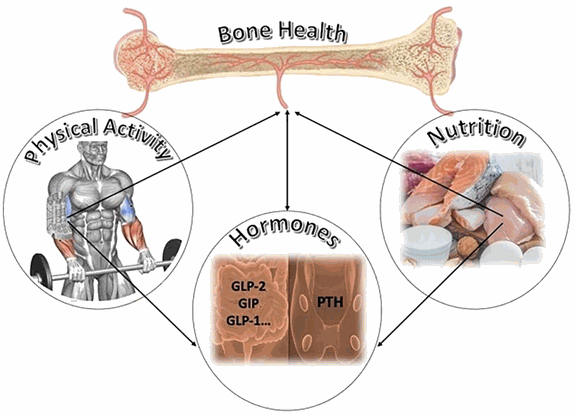
To get the best results from calcium IV therapy, it helps to support the treatment with healthy habits. Here are a few ways you can improve your bone strength naturally:
- Resistance Training: Lifting weights or using resistance bands tells your bones to become denser and stronger. Even simple bodyweight exercises can help.
- Vibration Therapy: This involves standing or sitting on a special platform that vibrates gently. These vibrations stimulate the cells responsible for bone growth.
- Sunlight Exposure: Spending time in the sun helps your body produce vitamin D, which is essential for absorbing calcium properly.
- Managing Stress: High-stress levels can increase hormones that weaken bones. Relaxation techniques like deep breathing, meditation, or yoga can help protect your bone health.
Nutritional Optimization
Your diet plays a big role in how well your body uses the calcium from IV therapy. Focus on the following:
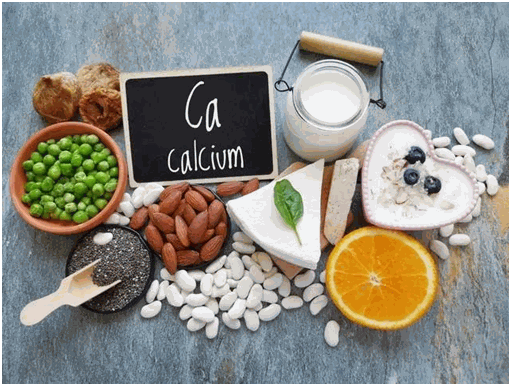
- Eat Bone-Boosting Foods: Leafy greens like spinach and kale, as well as almonds, chia seeds, and sesame seeds, are rich in nutrients that support bone health.
- Don’t Forget Calcium Helpers: Nutrients like magnesium, vitamin K2, and boron help your body move calcium into the bones instead of letting it build up in soft tissues.
- Get Enough Protein: Bones aren’t just made of minerals—they also need protein to build their framework. Make sure your meals include good sources like eggs, lentils, or lean meat.
- Include Anti-Inflammatory Foods: Chronic inflammation can damage bones. Include foods like berries, turmeric, olive oil, and fatty fish to help keep inflammation in check.
Technology Integration in Bone Health
Technology is making it easier than ever to take care of your bones and track your progress:
- Bone Density Tracking Apps: Use apps to store and view your scan results, helping you keep track of improvements over time.
- Wearable Health Devices: Smartwatches and fitness trackers can monitor your daily activity, sleep patterns, and reminders to move—all important for bone health.
- Nutrition Apps: Tools like MyFitnessPal can help you track how much calcium and vitamin D you’re getting from your food.
- Telemedicine Support: Many clinics now offer virtual appointments so you can discuss your treatment, results, and follow-ups from the comfort of your home.
The Future of Bone Health
Emerging Innovations
Exciting new developments are changing how bone conditions are treated:
- Nanotechnology: Scientists are working on tiny calcium delivery systems that may make treatments even more effective.
- Personalized Medicine: Your genes may soon help doctors create bone care plans tailored exactly to your needs.
- Stem Cell Therapy: This future treatment aims to rebuild damaged bones using your body’s healing cells.
- AI-Powered Diagnostics: Artificial intelligence is being used to detect early signs of bone loss and predict the risk of fractures more accurately.
Combination Therapies
Modern treatment plans may combine different approaches for better outcomes:
- IV calcium drips combined with bone growth factors.
- Hormone balance treatments for people with osteoporosis-related hormone issues
- Physical therapy programs strengthen bones and muscles together.
- Genetic nutrition plans that adjust your diet based on your body’s specific needs
Evaluation Checklist – Is IV Calcium Right for You?
You may be a good candidate for calcium IV therapy if:
- You have a proven calcium deficiency.
- Your body doesn’t respond well to oral supplements.
- You have an absorption disorder (like celiac disease or Crohn’s disease)
- You’re at high risk for fractures.
- You’ve experienced rapid bone loss due to ageing or illness.
You’re struggling with slow healing after injury or surgery
Important Questions to Ask Your Provider
Before starting treatment, talk to your doctor and ask:
- What does my current bone health report show?
- How many IV sessions will I likely need?
- What results should I realistically expect?
- How will my progress be tracked?
- What lifestyle changes should I make along with treatment?
- Are there any side effects or risks I should be aware of?
Your Bone Health Action Plan
Immediate Steps
- Get tested: Schedule a bone density scan and basic blood tests.
- Find trusted providers: Look for certified clinics or specialists who offer calcium IV therapy.
- Book a consultation: Talk to the provider about your goals and medical history.
- Check insurance: See what coverage or financial support is available.
Long-Term Strategy
- Stick with IV therapy as recommended and track your results regularly.
- Follow a balanced diet that supports calcium absorption.
- Exercise regularly, focusing on resistance and weight-bearing movements.
- Stay updated with your healthcare team for any needed changes in your treatment.