
HIV Symptoms in Women: Early Warning Signs, Causes, Testing, and Prevention
Table of Contents
National Women and Girls HIV/AIDS Awareness Day
National Women and Girls HIV/AIDS Awareness Day takes place on March 10. The main goal of the day is to raise awareness about HIV symptoms in women, highlight the significance of HIV testing, and discuss the most effective methods to prevent HIV. The day motivates women and girls to get themselves educated about HIV and AIDS, identify the first signs of HIV in women, and take necessary measures to safeguard their health.World AIDS Day, held on December 1, is a day when the whole world is made aware of HIV and AIDS. At the same time, this awareness day sheds light on how HIV is a problem for women and girls. It stresses the fact that regular HIV screening and testing are necessary to detect HIV early and achieve better health outcomes. Common HIV symptoms in women are constant tiredness, fever, skin rash, swollen lymph nodes, and infections that occur more often, which will help one to realize the importance of diagnosis and treatment at the right time. Making people aware of how to prevent HIV, choosing a healthy lifestyle, and having access to healthcare facilities are some ways of enabling oneself to be protected.
What Is HIV and How Does It Affect Women?
HIV (Human Immunodeficiency Virus) is a viral disease that impacts the human immune system, hence weakening the general response of the body to disease and infection.HIV is transmitted by contact with genitals, like during sex without the use of condoms. This is known as a sexually transmitted infection. Another name for it is an STI. It is also transmitted by contact with blood, like when people use the same needle or syringe to take drugs. It is even possible for an individual with untreated HIV to pass the disease to an infant during pregnancy, birth, or breastfeeding.
The effects of HIV in women need to be understood because women have HIV symptoms that differ from those of men in the initial stages of the disease. Generally, the symptoms of HIV in women include fatigue, fever, swollen lymph nodes, and rashes, as well as recurrent infections. By understanding the symptoms of HIV in women and the importance of HIV tests, women can be diagnosed with the disease at the early stages and therefore be effectively treated for the condition. By being aware of the effects of HIV in women and the importance of effective preventive measures, women can reduce the risks of being infected with the disease and improve their health status in general. By raising awareness of the symptoms of HIV in females and the importance of HIV tests, the spread of the disease can be reduced in society.
Who Is at Higher Risk of HIV Infection?
Women are at an increased risk of acquiring the disease, hence the need to know the various risk factors associated with HIV in women to prevent and control the disease. Risk factors include multiple sex partners, unprotected sex, an infected partner, and the use of drugs. Young women, pregnant women, and those in areas where the disease is prevalent are at an increased risk.Being aware of the various symptoms associated with HIV in women, such as fatigue, fever, swollen lymph glands, rashes, and recurring infections, is important in seeking early HIV tests. Being conscious of the individuals at risk of acquiring the disease and practicing various prevention methods is important in controlling the spread of the disease among women. This not only promotes the health of individual women but also reduces the spread of the disease in the population, hence improving the health of women.
Early HIV Symptoms in Women: Warning Signs
It is essential to know the early symptoms of HIV infection in women to provide timely HIV treatment and prevent the spread of the virus. Women experience different early symptoms of HIV infection compared to men. However, knowing the warning signs of HIV infection in women enables them to undergo HIV testing as early as possible. The early symptoms of HIV infection in women may not be severe at first but become more apparent over time.
The early symptoms of HIV infection in women are as follows:
Flu-like symptoms such as chills, sore throat, and body pains
At the early stages of the disease, flu-like symptoms such as chills, sore throat, and body pains usually manifest. These symptoms usually manifest within a few weeks after being infected.

Fatigue and weakness
Fatigue is common in infected women. This is because the immune system is weakened by the disease, making it hard to fight off common diseases that easily attack an immunocompromised body.

Fever and night sweats
Low-grade fevers that come and go, accompanied by night sweats, usually manifest in the early stages of the disease. This is because the immune system is constantly at work fighting the disease, hence increasing the body temperature.

Swollen lymph nodes
This is usually the earliest sign of being infected with the disease. It is caused by the immune system’s reaction to the disease, hence an attempt by the body to fight the disease by producing more immune cells.

Unexplained weight loss
Loss of weight without a change in the pattern of diet and exercise is a symptom of HIV. The body may be using up energy in the fight against the virus.
Rashes and other unusual changes in the skin
Rashes appear on the torso, arms, and face. They appear red and blotchy. They occur because of the effect of the virus on the immune system.
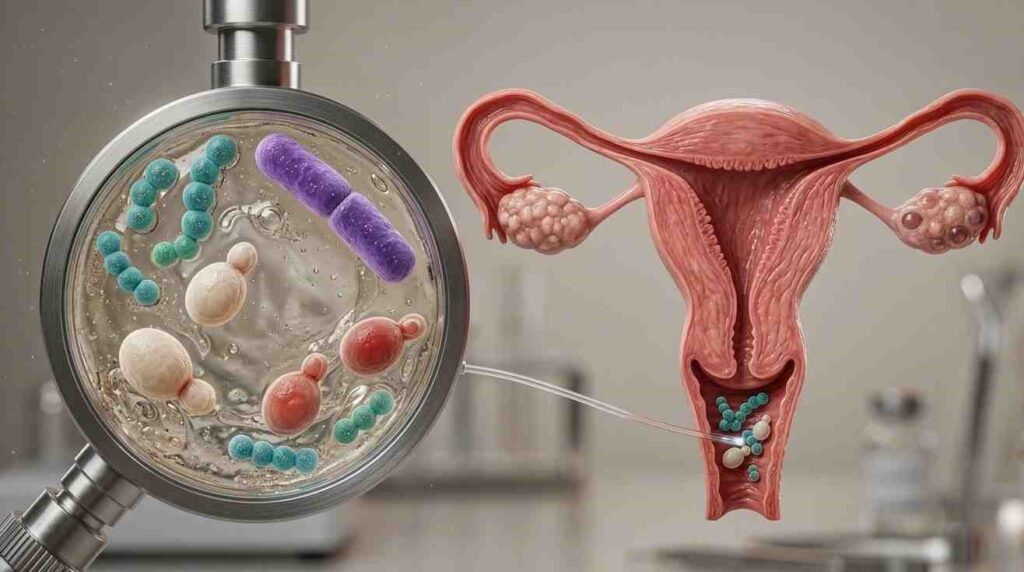
Frequent vaginal infections
Women who have HIV experience frequent yeast and other vaginal infections. This is because HIV weakens the immune system, making the woman susceptible to recurring vaginal infections.
Stomach and pelvic pains
Women in the early stages of HIV experience stomach and pelvic pains. This is because of the weakening of the immune system, which makes the woman susceptible to various infections.
Mouth ulcers and thrush
Ulcers and thrush occur when the immune system is weakened and cannot fight off the normal fungi and bacteria in the mouth.
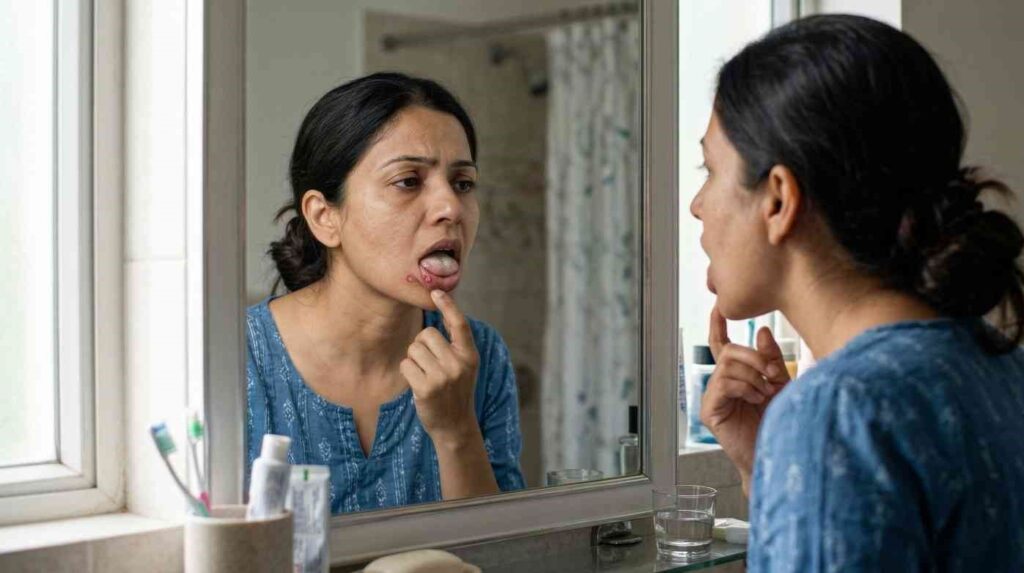
Knowing the early signs of HIV infection in women is vital in providing timely HIV treatment and preventing the spread of HIV infection in society. Being informed about the symptoms enables women to protect their health and become more responsible in preventing the spread of HIV infection.
HIV Rash in Women: How to Identify It
HIV rash in women is an HIV symptom in women that is often an essential indicator for the diagnosis of HIV at an early stage. Women are often unaware that the rash that develops after the onset of the disease could be an HIV symptom. The rash could resemble other common skin problems, such as eczema, allergic reactions, or fungal infections. The difference between the two must be identified for the early detection of the disease.
What Does an HIV Rash Look Like?
HIV rash is characterized by small red or purplish bumps that are flat or slightly raised. The bumps may also be itchy. The size of the bumps may vary. The rash tends to develop after 2-6 weeks of the initial infection, which is the acute stage of the disease. The rash often develops along with other symptoms of the disease, such as fever, fatigue, swollen lymph nodes, and night sweats. The rash is different from an allergic rash in that it cannot be cured using creams or antihistamines.
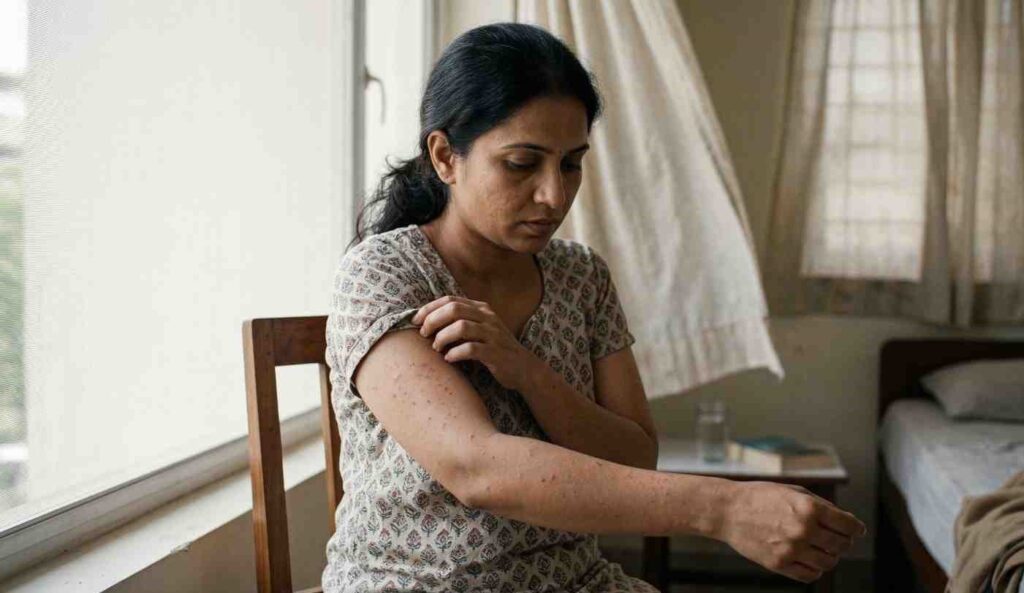
Where HIV Rashes Usually Appear
The HIV rash in women tends to appear on the torso, face, and arms. In addition, the rash may appear in the legs. The rash may be widespread or may be present in small groups. In certain instances, the HIV rash may be present in sensitive parts of the body, for example, the chest and back in women. However, the presence of the rash is not enough for the woman to be worried, and the symptoms need to be taken as a sign of the presence of HIV in the woman’s body.
Difference Between HIV Rash and Other Skin Conditions
Most women have the problem of confusing the presence of the HIV rash with the presence of rashes due to eczema, allergies, and fungal infections. However, the presence of the HIV rash in women is usually persistent and may be present for several days. Additionally, the presence of the HIV rash in women is usually associated with flu-like symptoms. Other rashes may disappear in a matter of days or can be cured with the application of medication. However, the HIV rash is not likely to disappear.
How Long Does It Take for HIV Symptoms to Appear?
It is important to know the duration of the HIV symptoms manifesting in women to detect HIV early, do timely HIV tests and prevent HIV. Some women might manifest some observable signs after exposure to HIV, and this is considered the acute stage of infection and may take place after 2 to 6 weeks. But not all women experience any visual symptoms for months or even years, going into the so-called clinical latency stage, where the virus still remains active within the body.
Stages of HIV Infection
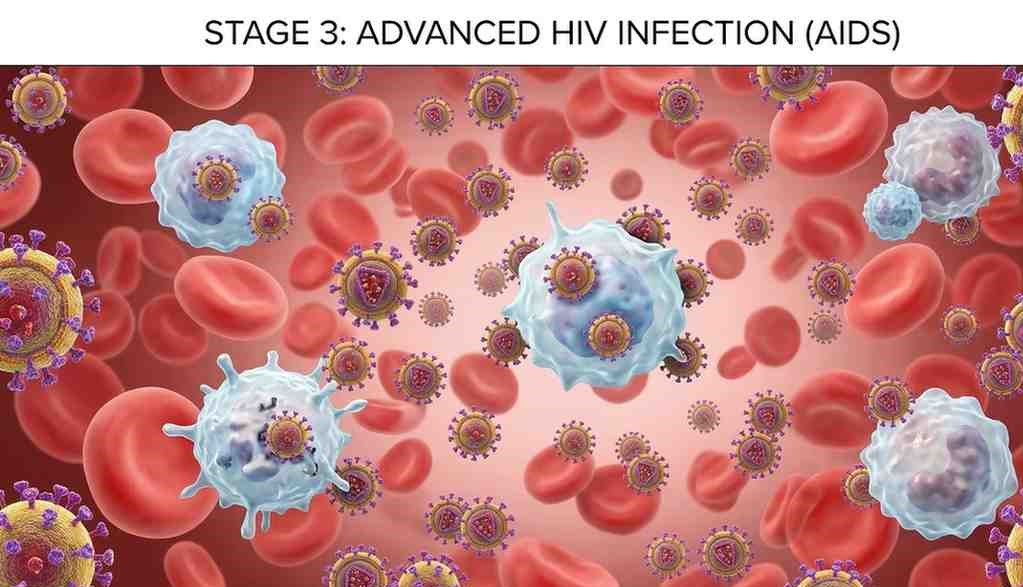
HIV (Human Immunodeficiency Virus) is a virus that develops over various stages that weaken the immune system if not controlled. The awareness of the HIV infection stages helps individuals become aware of the initial signs of HIV, pursue on-time HIV testing, and initiate treatment as early as possible. The cells that HIV attacks are the CD4 cells, which have a critical function in the prevention of infections and the promotion of a healthy immune system. Without medical intervention, HIV has three major stages of development, which include the acute HIV infection stage, the clinical latency phase, and the advanced HIV Infection (AIDS) stage. The virus progression can be slowed down through early diagnosis and regular antiretroviral therapy (ART), which, in turn, assists in preserving the immune system and minimising the risk of the spread of HIV. Understanding the process of HIV development in the body is also crucial in preventing HIV and AIDS.
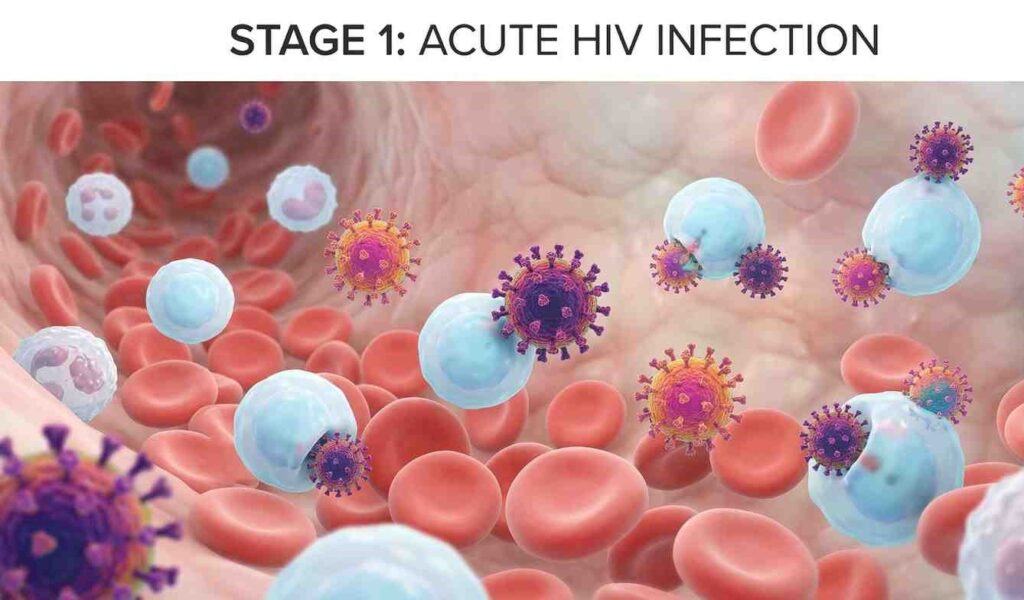
Acute HIV Infection
The first stage of HIV is the acute HIV infection stage, which normally takes place 2 to 4 weeks following an exposure to the virus. At this stage, the virus rapidly spreads in the blood, leading to a very large viral load. Early signs of HIV are common in many people and appear to be similar to a flu-like disease. The symptoms are usually common, such as fever, sore throat, swollen lymph nodes, headache, fatigue, rash, and muscle pain. These symptoms are mild and similar to common viral infections; therefore, many people can be unaware of the fact that they have been infected with HIV.
This is also regarded as the most contagious period of HIV since the virus is very active in the body at this stage. The early detection and diagnosis of HIV at this stage is essential for early treatment initiation. Early initiation of antiretroviral therapy (ART) could be used to control the virus, protect the immune system, and decrease the probability of infecting other people with HIV.
Clinical Latency Stage
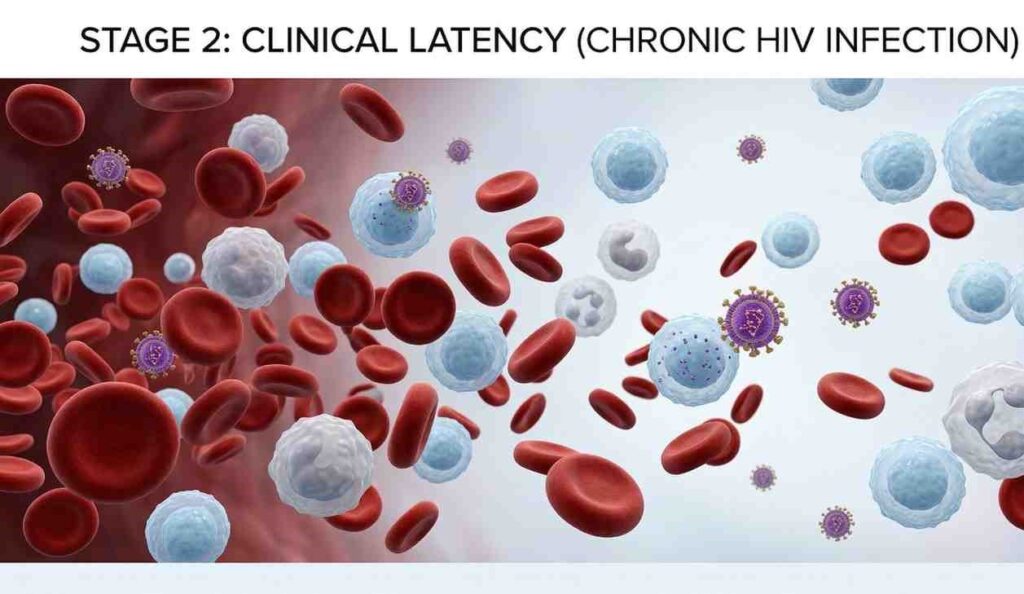
The second stage of HIV progression is called the clinical latency stage or chronic HIV infection. At this phase, the virus is still in the body, but it reproduces at a significantly slower rate. HIV symptoms are not always noticeable to many people, which is why this step can take several years or even decades, provided that the treatment is conducted regularly.
HIV slowly destroys the immune system, even though the symptoms are not apparent. Individuals with HIV may still infect others at this stage. Nevertheless, it can minimise the viral load to undetectable levels with the help of regular use of antiretroviral therapy (ART), which is referred to as U=U (Undetectable = Untransmittable). Medical check-ups, tests on CD4 count, and HIV viral load are also essential in checking the development of the infection and in the general examination of health.
Advanced HIV Infection (AIDS)
The last phase of HIV is the Advanced HIV Infection, which is sometimes referred to as AIDS (Acquired Immunodeficiency Syndrome). This phase occurs when HIV is highly impairing the immune system and the amount of CD4 cells in the blood has reduced to less than 200 cells/m 2. The body at this stage is extremely susceptible to opportunistic infections and some cancers.
Typical symptoms of AIDS can be continuous fever, extreme weight loss, continuous diarrhoea, night sweats, extreme tiredness, frequent infections, including tuberculosis, pneumonia, and fungi. AIDS may cause severe complications without treatment and may be fatal.
Regardless, with the current antiretroviral therapy to treat HIV, modern HIV treatment has greatly enhanced the lives of people living with HIV. Through early diagnoses, proper medical treatment, and regular medication, several people will be able to avoid advancing to AIDS and lead normal, healthy lives.
Why Women Should Pay Attention to Early HIV Symptoms
It is critical to learn the initial signs of HIV among women to ensure the diagnosis, effective management, and avoidance of HIV development. The initial symptoms of HIV in women can be observed in 2-4 weeks following infection. Still, many women can ignore them as they can be mistaken for other common diseases like the flu or fatigue. The initial awareness of the symptoms of HIV in women and regular HIV testing can assist in detecting the infection early enough and initiating antiretroviral therapy (ART) before the virus can invade the immune system.
The symptoms that a woman can be having can include persistent fever, swollen lymph nodes, night sweats, skin rashes, unexplained weight loss, headaches, and extreme fatigue. Other women might experience frequent vaginal infections, pelvic inflammatory diseases (PID), atypical menstrual cycles, or frequent urinary infections that might manifest in the case of a weakened immune system. The symptoms can be mild or temporary, and many women put off HIV screening, thus resulting in late diagnosis.
Listening to these manifestations of HIV in women at an early stage and requesting regular HIV tests and health services is critical to long-term health and safety. Early diagnosis will enable the women to initiate treatment with an antiretroviral therapy and keep their immune system in a favourable status, and dramatically lower the chances of HIV infection passing on to the sexual partner or even mother to child during pregnancy and breastfeeding. Sensitising the female population on the symptoms of HIV, AIDS awareness, and prevention of HIV is actually a good step towards making the female population more empowered in an effort to control their health to avoid spreading HIV.
Types of HIV Tests in Women.
Conducting routine HIV tests on women is among the most critical actions for early HIV diagnosis, HIV prevention, and early treatment. Women can, to a large extent, be oblivious of HIV early signs, and this is why regular HIV screening is vital in guarding against long-term health. The modern medical innovations have introduced several HIV tests, which are capable of detecting the virus in various infection stages quite accurately. Such tests assist in early detection of HIV, where women can commence antiretroviral therapy (ART) and mitigate the chances of HIV being spread to their partners or their children during pregnancy.
Antibody Tests
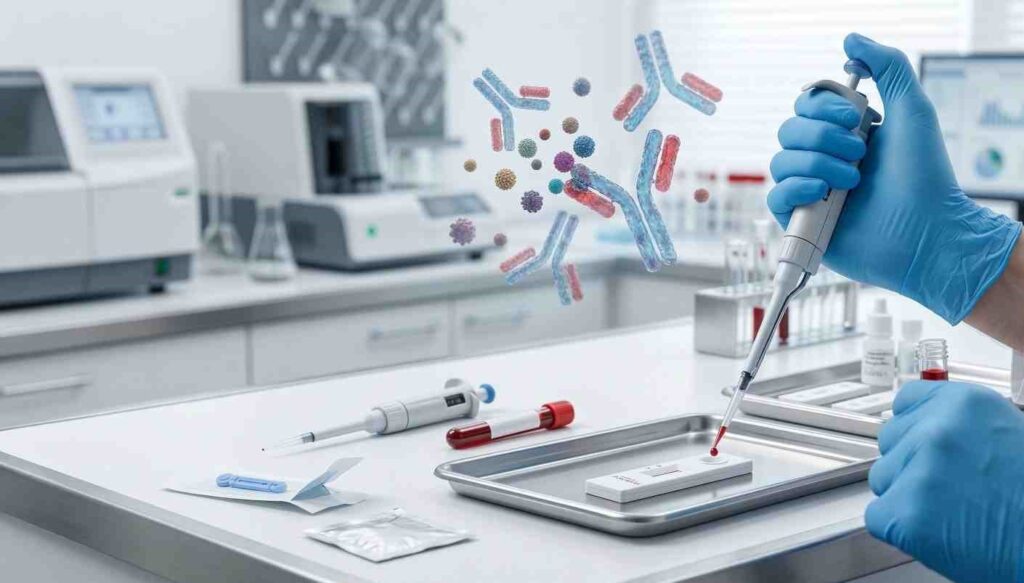
One of the most common HIV tests used in screening is the HIV antibody test. They identify the presence of antibodies formed by the immune system against HIV infection. These are the tests that may be done by using blood samples or oral fluid samples, which are commonly used on rapid HIV tests that are bought in the clinics or testing centres. Although the antibody tests are dependable, they are likely to fail in detecting those infections that have happened very recently, since it takes the body time to form antibodies that can be detected.
Combination Tests of Antigens and Antibodies.
Antigen/antibody test or fourth-generation HIV test is regarded as one of the finest HIV tests when detected at an early stage. This test detects HIV antibodies and also the p24 antigen, which is a protein that is released into the bloodstream shortly after infection. Due to the ability to identify the virus earlier than the antibody tests, it is very popular in hospitals and diagnostic laboratories to identify HIV correctly.
Nucleic Acid Tests (NAT)
Nucleic Acid Tests (NAT) identify the HIV genes in the blood. This renders NAT as one of the most sensitive and precise HIV blood tests, which can detect HIV due to infection that takes place between 10 and 33 days. NAT is generally prescribed to people who have had high-risk exposure to HIV recently or have early signs of HIV.
Rapid HIV Tests
Rapid HIV tests are intended to offer rapid and convenient screening for HIV. The tests are normally done using a finger-prick of the blood or an oral swab, and they provide results within 20 to 30 minutes. Rapid testing also contributes to the awareness of HIV, community health screening, and early diagnosis, and thus, women can now get tested quickly.
Knowing the various forms of HIV tests that women can take will assist people in selecting the appropriate HIV test that suits them, depending on their risk status and exposure period. Consistent HIV test, early identification, and effective medical treatment are necessary to ensure good health and the avoidance of progression of HIV into AIDS, and provision of support to the overall health of women and the prevention of HIV.
Effective Ways to Prevent HIV in Women
Preventing HIV is an effective way to protect the health and well-being of women. Women can prevent HIV infection by adopting effective HIV prevention strategies and becoming more informed about HIV and safe sex. With the rise in awareness about HIV and regular HIV testing, women are now more proactive about preventing HIV infection and living a healthy life. Today, various medical interventions such as Pre-Exposure Prophylaxis and Post-Exposure Prophylaxis have made HIV prevention in women more effective than ever. Understanding HIV prevention strategies is an effective way to prevent HIV infection in women.
Safe Sexual Practices
One of the most effective ways of reducing the chances of getting infected with HIV is by practicing safe sexual habits. For example, using condoms during sexual activity can greatly reduce the chances of getting infected with HIV. Additionally, women are advised to consider getting tested for HIV and their respective partners, especially if they are in a new relationship or have many sexual partners. Communication with the sexual partner regarding sexual health, sexually transmitted diseases, and HIV is very important in the prevention of the disease. Reducing the number of sexual partners and engaging in monogamous relationships can greatly reduce the chances of getting infected with HIV and other sexually transmitted diseases.
Pre-Exposure Prophylaxis (PrEP)
Pre-Exposure Prophylaxis (PrEP) is a powerful HIV prevention drug that has been proven to be very effective for individuals at higher risk of HIV acquisition. PrEP works by taking a daily pill that prevents HIV from establishing an infection in the body. PrEP is 99% effective in preventing HIV acquisition among individuals who use it. PrEP can be very useful for women whose partners have HIV, for women who have a higher exposure risk, and for women living in areas with high HIV prevalence. Consultation with a medical practitioner and HIV testing need to be carried out while on PrEP.
Post-Exposure Prophylaxis (PEP)
Post-Exposure Prophylaxis (PEP) is an emergency treatment for preventing HIV infection after a potential exposure to the virus.PEP has to be taken within 72 hours of a potential exposure, such as unprotected sex, rape, or accidental exposure to infected blood. The treatment for HIV exposure consists of taking anti-retroviral drugs for 28 days to ensure that the virus does not establish an infection in the body. Although it is not for daily use, it can be used for emergency HIV prevention for exposure. Therefore, it is important to seek medical treatment to ensure its effectiveness.
By being aware of these effective means of HIV prevention, women can take control of their lives by reducing their chances of being infected with the virus. The use of safe sex, HIV screening, PrEP, and PEP is effective in protecting individuals against HIV infection, hence contributing to the prevention of AIDS in the world.
HIV Prevention During Pregnancy
HIV prevention during pregnancy is very important to ensure that both the mother and the baby do not acquire HIV. HIV can be transferred from an HIV-positive mother to her child during pregnancy, delivery, or even while breastfeeding if appropriate medical care is not sought. Therefore, HIV testing for pregnant women is an essential medical checkup. Early HIV testing for pregnant women ensures that they receive medical treatment to prevent mother-to-child transmission of HIV.

Antiretroviral therapy (ART) is one of the most effective ways of preventing mother-to-child transmission of HIV. Taking ART regularly reduces the viral load in the mother’s body. This ensures that the chances of mother-to-child transmission of HIV are reduced. Regular check-ups and proper medical advice constitute an important component of HIV prevention during pregnancy. Thus, it can be concluded that it is possible to prevent the spread of HIV during pregnancy, and an HIV-positive mother can bear healthy HIV-negative children.
Other Services
- Advance Full Bbody Checkup
- Elder Female Health Package
- Female Health Checkup
- Fertility Panel Female
- PCOS Panel Advance
- Senior Citizen Full Body Checkup Female Advance
- Sexual Wellness Check Up Panel
- Thyrocare Health Packages
- Blood Test
- Home care
- Dermatologist
- General Physician
- Gynecologist
- Orthopaedic
- Pediatrician
- Physiotherapy
- Urologist
Contact Us
- +919100907036, +919100907622
- info@medifyhome.com
FAQs
Early symptoms of HIV infection in women may include fever, fatigue, swollen lymph nodes, skin rash, night sweats, and frequent infections within a few weeks after infection.
Women can prevent HIV infection through safe sex practices, the use of condoms, regular HIV tests, and the administration of preventive drugs such as Pre-exposure Prophylaxis.
Experts recommend that women regularly undergo HIV tests, especially when they experience symptoms, when they have new partners, or when they want to undergo regular tests for sexually transmitted infections.
Pre-exposure Prophylaxis is the most effective form of HIV prevention that protects against HIV infection with a high success rate of up to 99%.
Post-exposure Prophylaxis is a form of emergency drug treatment for the prevention of HIV infection that must be administered within 72 hours after exposure to the virus.
Yes, it is possible to prevent the transmission of HIV from a pregnant woman to her child through early HIV tests for pregnant women and effective ART.
The fourth-generation HIV antigen/antibody test is considered the most accurate HIV test for early detection of the virus, as it can detect the virus within 18 to 45 days after acquiring it.
HIV symptoms that appear first in women usually occur within 2 to 4 weeks after acquiring the virus.