
World Kidney Day: Kidney Disease Symptoms & Early Diagnosis
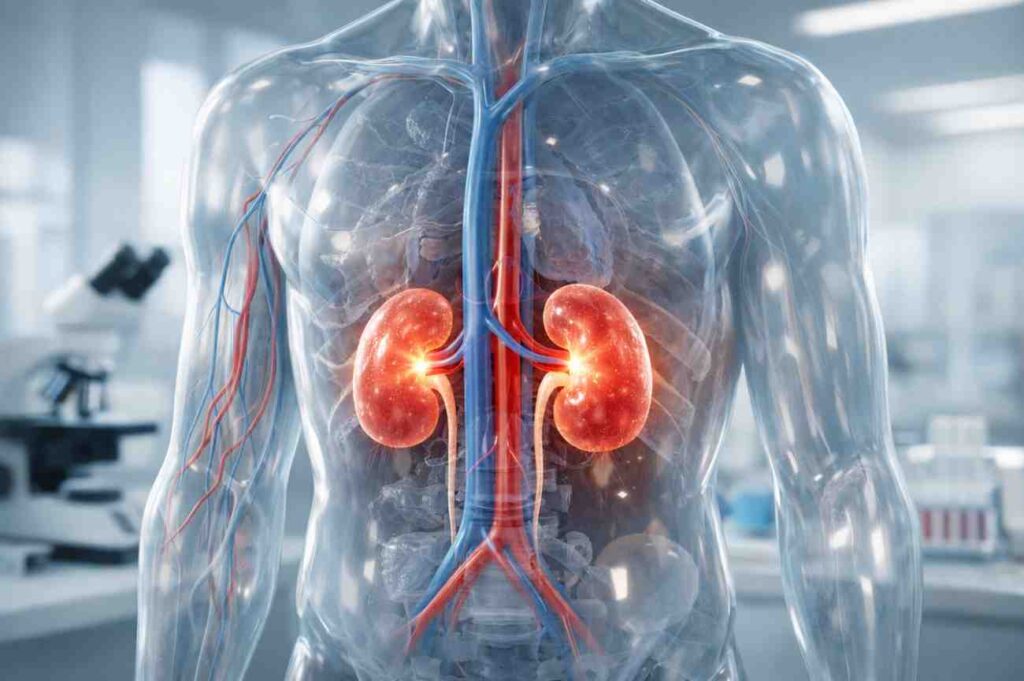
Table of Contents
Introduction to World Kidney Day:
World Kidney Day is a global health awareness initiative observed annually on the second Thursday of March. The day focuses on educating people about kidney health, renal function, and the prevention of kidney disease. Millions of people worldwide live with kidney damage or renal insufficiency but remain unaware of the early signs, as kidney disease symptoms often appear only in advanced stages.
The main goal of World Kidney Day is to highlight the importance of healthy kidneys in maintaining overall health. The kidneys play a vital role in kidney function, including filtering waste and excess fluids, regulating blood pressure, maintaining electrolyte balance, and producing red blood cells. Impaired kidney function can lead to serious conditions like chronic kidney disease (CKD) or renal failure.
What is World Kidney Day?
World Kidney Day is an annual health awareness campaign celebrated on the second Thursday of March to spread awareness about the significance of kidney health and minimise the burden of kidney diseases across the world. This day is organised by the International Society of Nephrology and the International Federation of Kidney Foundations, focusing on educating people about the critical role of their kidneys and how to avoid kidney diseases.
Renal health awareness programs, kidney function tests, and educational activities are conducted by hospitals and healthcare professionals across the world to spread awareness about the symptoms, causes, and prevention of kidney diseases. By promoting healthy habits, drinking enough water, and getting their kidney function blood tests done, people are encouraged to take care of their kidneys and avoid any further complications.
Theme of World Kidney Day 2026:
The official theme for World Kidney Day 2026 has been announced as:
“Kidney Health for All: Caring for People, Protecting the Planet.”
This theme, therefore, emphasises the need not only to spread the awareness of kidney health and the early detection of kidney diseases, but also to understand the link between the two, i.e., the need to care for the planet on which we are living.
Why is kidney health awareness important:
Kidney health awareness is necessary because it is essential to keep our bodies healthy. The kidneys filter waste and extra fluids from our bloodstream, control blood pressure, maintain mineral levels in our bodies, and help produce hormones necessary for red blood cell production. If our kidneys are not functioning properly, harmful toxins can accumulate in our bodies, causing us harm.
One of the reasons kidney health awareness is necessary is that kidney diseases occur without symptoms. Many people are not aware of kidney diseases until they are already suffering from them. The awareness program helps us recognise the symptoms and get regular check-ups.
Kidney health awareness is necessary because it helps us learn more about kidney diseases and how we can keep our kidneys healthy. We can keep our kidneys healthy by maintaining a healthy diet, staying hydrated, and exercising regularly. We can also keep our kidneys healthy by controlling Diabetes and Hypertension.
World Kidney Day is an international awareness program to spread more knowledge about kidney diseases and their treatment. The program aims to reduce the number of kidney diseases occurring around the globe and educate people about healthy lifestyles to keep their kidneys healthy.
History of World Kidney Day:
World Kidney Day was first observed in 2006 as a global initiative to raise awareness of kidneys and the rising impact of kidney diseases around the world. This was achieved through launching a global campaign in collaboration with the International Society of Nephrology and the International Federation of Kidney Foundations.
The major aim of World Kidney Day is to enlighten people on the significance of having healthy kidneys and how to prevent diseases related to the kidneys. Due to the fact that many people suffer from diseases related to the kidneys without showing any symptoms, it is essential to raise awareness among people.
World Kidney Day is observed as a global movement with various healthcare organisations and communities in more than 150 countries taking part in awareness campaigns and educating people on how to maintain healthy kidneys.
Why is World Kidney Day Important?
This is particularly important because it helps raise awareness about kidney health and the increasing number of people living with renal diseases around the world. This is because most of these diseases occur without symptoms in their early stages.
This is a worldwide initiative that aims to create awareness among people about the risks of developing kidney diseases and the need to adopt healthy lifestyle habits and regular health check-ups. It also aims to raise awareness about the need to manage diseases like Diabetes and Hypertension, which are leading causes of kidney diseases.
This awareness, it helps to reduce the risk of serious health complications and improve overall health for people around the world.
Growing Burden of Kidney Disease:
Kidney disease is turning out to be a serious health issue worldwide. This health condition is affecting millions of people around the world. An unhealthy lifestyle, increasing age, and diseases like Diabetes and Hypertension are causing a rise in the number of cases of kidney disease every year.
Silent Nature of Kidney Damage:
Kidney disease is known to be a silent disease, which generally occurs without showing any symptoms in the early stages of the health condition. People are not even aware of the damage to their kidneys unless the condition is critical.
Importance of Early Diagnosis:
Early diagnosis of a patient’s condition is of great importance in order to avert serious health complications arising from a patient’s condition.
Understanding the Kidneys and Their Functions:What Do Kidneys Do?
What Do Kidneys Do?
The kidneys are two bean-shaped organs located on either side of the spine, just below the rib cage. Their primary function is to filter waste products, toxins, and excess fluids from the blood and remove them through urine. Every day, the kidneys filter around 50 gallons of blood, helping keep the body’s internal environment clean and balanced. This process is essential for maintaining overall health and the proper functioning of other organs.
Role of Kidneys in the Body:
Kidneys play several vital roles in maintaining the body’s balance. They regulate the levels of important minerals such as sodium, potassium, and calcium, which are necessary for nerve signals, muscle function, and fluid balance. Kidneys also help control blood pressure, maintain the body’s acid–base balance, and ensure that the right amount of water stays in the body. When kidney function is impaired, waste and fluids can accumulate, leading to serious health problems, including Chronic Kidney Disease.
Hormone Regulation and Blood Filtration:
In addition to filtration, the kidneys produce important hormones that support various body functions. They release erythropoietin, a hormone that stimulates the production of red blood cells in the bone marrow. Kidneys also produce renin, which helps regulate blood pressure, and activate vitamin D, which is essential for maintaining healthy bones and calcium balance. Through these processes, the kidneys not only clean the blood but also play a crucial role in maintaining hormonal balance and overall body health.
What is Kidney Disease?
Kidney disease is also known as renal disease or disorder. It is defined as any kind of disease that affects the kidneys and interferes with the normal functioning of the kidneys to remove wastes and excess fluids from the body and maintain the chemical balance of the body. If there is a reduction in kidney functioning, it may lead to an increase in wastes and fluids accumulated in the body, resulting in severe damage to the kidneys. Kidney disease may occur at any age and in anyone. If not treated properly, it may lead to renal failure or kidney failure, when the kidneys lose all or most of their ability to function.
Types of Kidney Diseases:
Kidney diseases or renal disorders are conditions that affect the structure and function of the kidneys. They can develop suddenly or progress slowly over time. Early detection through kidney function blood tests, GFR blood work, and renal blood tests is essential for proper treatment.
1. Chronic Kidney Disease (CKD)
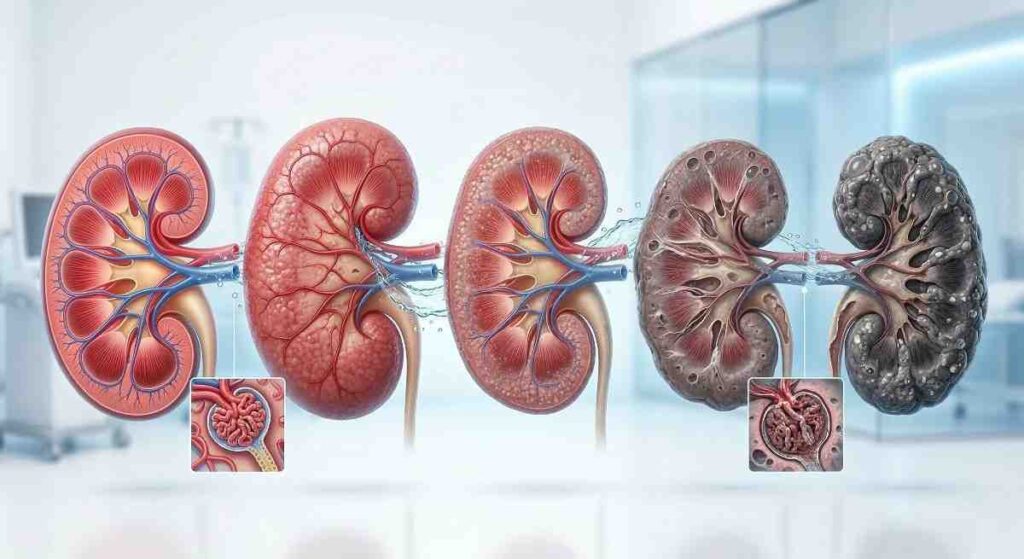
Chronic Kidney Disease is a long-term condition where the kidneys gradually lose their ability to filter waste and excess fluids. Common causes include Diabetes and Hypertension. CKD often shows few symptoms initially, but can progress to renal failure if untreated.
CKD Stages:
Stage 1: Normal kidney function (GFR ≥90) with mild damage, often detected only via tests.
Stage 2: Mild reduction in function (GFR 60–89) with minimal symptoms.
Stage 3: Moderate kidney damage (GFR 30–59); fatigue, swelling, and urination changes may appear.
Stage 4: Severe damage (GFR 15–29) with noticeable symptoms; planning for dialysis may begin.
Stage 5: Kidney failure (GFR <15); requires dialysis or a kidney transplant.
2. Acute Kidney Injury (AKI)
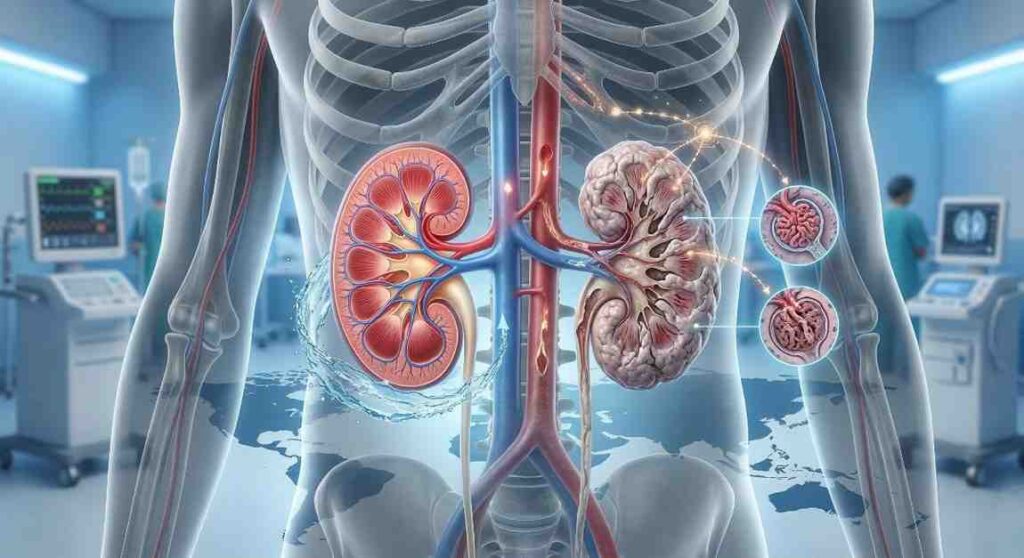
AKI is a sudden decline in kidney function within hours or days, caused by infections, dehydration, medications, or reduced blood flow. With prompt treatment, kidney function can often recover.
3. Kidney Stones
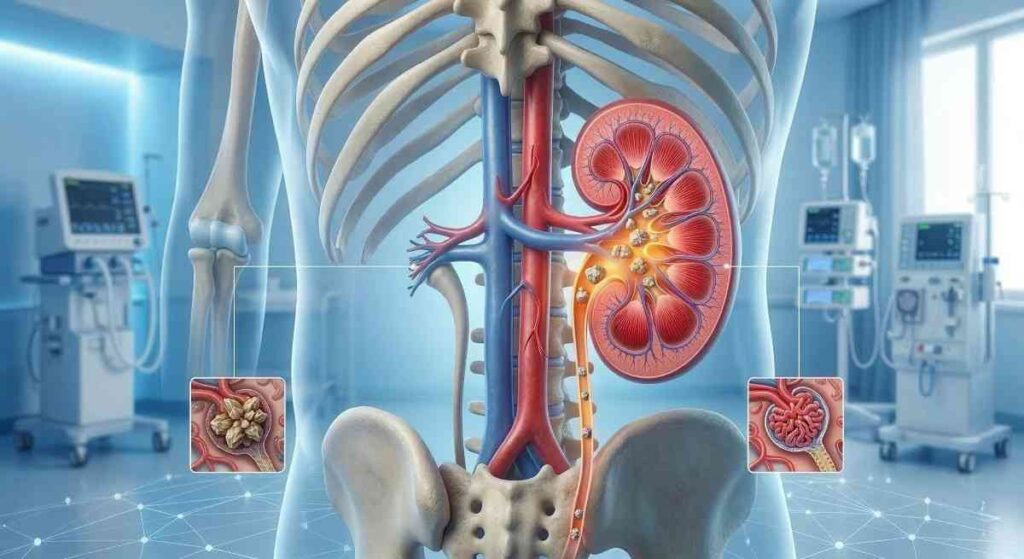
Kidney stones are hard mineral deposits that form in the kidneys. They cause severe pain, nausea, and urination problems. Small stones may pass naturally, while larger stones require medical intervention.
4. Polycystic Kidney Disease
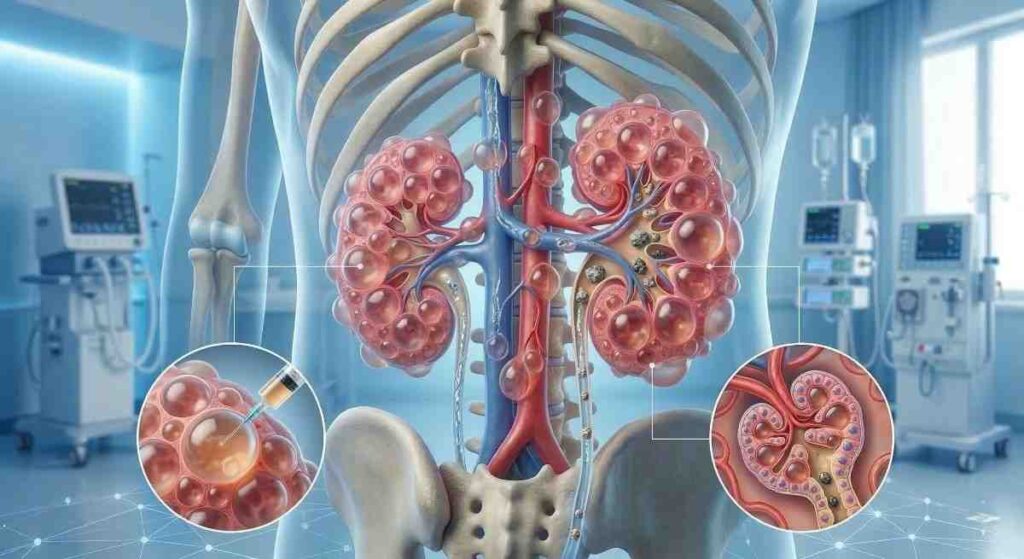
Polycystic Kidney Disease is a genetic disorder where fluid-filled cysts develop in the kidneys, gradually enlarging them and reducing kidney function over time.
Global Statistics of Kidney Disease:
Worldwide Prevalence:
Kidney disease is a major global health concern affecting millions of people worldwide. Studies suggest that nearly 10% of the population suffers from some form of renal disorder. Many individuals remain undiagnosed because early signs of chronic kidney disease are often mild or completely absent at the beginning. As a result, kidney-related ailments contribute to a growing number of hospitalisations and deaths each year. Regular screening through tests such as a kidney function blood test, renal blood test, or GFR blood work is essential for detecting renal impairment early and preventing serious complications.
Rising CKD Cases:
The number of people living with Chronic Kidney Disease continues to rise globally. Factors such as ageing populations, sedentary lifestyles, obesity, and the increasing prevalence of Diabetes and Hypertension significantly increase the risk of kidney damage. Many individuals only notice kidney disease symptoms when the condition progresses to advanced CKD stages, including stage 1 kidney disease, third stage CKD, or even stage 3 renal failure. Early detection through GFR testing and other renal function tests plays a critical role in chronic kidney disease diagnosis.
Impact on Healthcare Systems:
Kidney ailments place a heavy burden on healthcare systems worldwide due to the high cost of treatment and long-term management. Patients with advanced renal insufficiency or severe renal disorders often require interventions such as dialysis or kidney transplantation. These treatments are expensive and need specialised medical facilities. Limited access to early diagnostic tests, including renal blood tests and kidney disease blood tests, makes prevention more difficult in many regions. Raising awareness about kidney damage signs, improving access to renal diagnostics, and promoting preventive care are crucial to reducing the global impact of renal disease.
Early Warning Signs of Kidney Disease:
Recognising the early kidney disease symptoms is essential because many people do not realise they have kidney problems until the condition becomes severe. Kidney Disease occurs when the kidneys are damaged and cannot properly filter waste from the blood. Early detection through tests like the GFR blood test or a kidney function blood test can help diagnose kidney problems before they progress to serious conditions such as Chronic Kidney Disease or renal insufficiency.
Fatigue:

Persistent tiredness is one of the common signs of kidney damage. When kidney function declines, waste products build up in the bloodstream, causing weakness, fatigue, and difficulty concentrating.
Swelling in Feet and Ankles:

Reduced renal function may lead to fluid retention in the body. This can cause swelling in the feet, ankles, legs, or around the eyes, which is often an early indicator of kidney problems.
Frequent Urination:

Changes in urination patterns, such as increased urination at night, may signal early kidney disease symptoms. This happens when the kidneys struggle to filter waste and regulate fluid levels properly.
Foamy Urine:
Foamy or bubbly urine can indicate excess protein in the urine, which is often detected during a renal blood test or a kidney disease blood test. This may be an early sign of kidney damage.
Loss of Appetite:

People with developing kidney problems may experience nausea, reduced appetite, and general discomfort due to toxin buildup in the body. If untreated, the condition can progress through CKD stages, including stage 1 kidney disease, third stage kidney disease, and eventually severe kidney failure.
Regular health check-ups, including GFR blood work and other diagnostic tests, play an important role in the chronic kidney disease diagnosis and help detect renal disorders before they become life-threatening.
Advanced Symptoms of Kidney Failure:
Identifying symptoms of kidney failure is vital since advanced kidney failure may cause various health complications. Common symptoms of advanced kidney failure include:
Severe swelling: This is where the kidneys fail to filter blood properly and retain fluid in the body. This leads to swelling in the feet, ankles, and legs, or around the eyes.
Shortness of breath: This is caused by excess fluid in the lungs. As a result, it is difficult to breathe when suffering from advanced kidney failure.
Nausea and vomiting: Wastes may build up in the blood and cause nausea and vomiting in people with advanced kidney failure.
High blood pressure: Kidneys may not function properly in people with advanced kidney failure. This may cause high blood pressure in such people. Advanced kidney failure may exacerbate high blood pressure and further damage the kidneys.
Major Causes of Kidney Disease:
The causes of kidney disease need to be understood and addressed in the context of prevention and early diagnosis. The most prevalent factors causing kidney disease include:
Diabetes – This is one of the major factors causing kidney disease. Diabetes, or high sugar levels, can damage the blood vessels in the kidneys over time, thereby causing CKD.
High Blood Pressure (Hypertension) – This can put pressure on the kidneys, thereby reducing their filtering capacity.
Genetic Disorders – Kidney diseases like polycystic kidney disease can be inherited, causing damage to the kidneys at an early age.
Infections – Repeated infections like urinary tract infections and kidney infections can cause damage to the kidneys.
Autoimmune Disorders – Kidney damage can be caused by autoimmune diseases like lupus, which can lead to inflammation in the kidneys.
Early detection of these factors, along with kidney function tests, will help in the prevention of kidney failure and its complications.
Risk Factors for Kidney Disease:
Knowledge of the risk factors for kidney disease can play an important role in the prevention and/or slow progression of kidney disease. Some of the major kidney disease risk factors include:
Obesity:
Excessive weight gain has been shown to lead to high blood pressure and/or diabetes, which can lead to kidney damage.
Smoking:
Smoking has been shown to lead to decreased blood flow to the kidneys, which can lead to decreased kidney function.
Aging:
As one ages, the functioning of the kidney gradually slows down, making older people more susceptible to kidney disease.
Family History:
A family history of kidney disease or any kidney-related disorder makes one more susceptible to such diseases.
Excessive Painkiller Use:
Excessive use of painkillers, such as NSAIDs, has been shown to slow down kidney function and lead to kidney impairment.
Obesity:
Excessive weight gain has been shown to lead to high blood pressure and/or diabetes, which can lead to kidney damage.
Smoking:
Smoking has been shown to lead to decreased blood flow to the kidneys, which can lead to decreased kidney function.
Aging:
As one ages, the functioning of the kidney gradually slows down, making older people more susceptible to kidney disease.
Family History:
A family history of kidney disease or any kidney-related disorder makes one more susceptible to such diseases.
Excessive Painkiller Use:
Excessive use of painkillers, such as NSAIDs, has been shown to slow down kidney function and lead to kidney impairment.
Kidney Function Tests and Diagnosis:
Early detection of kidney diseases is necessary, and kidney function tests are significant in the diagnosis of kidney diseases before they cause severe complications. The diagnostic tests are as follows:
Blood Test (Serum Creatinine)
This is a blood test to check the levels of creatinine in the serum. The levels of creatinine are high if there is kidney impairment.
Urine Test (Albumin Test)
This is a urine test to check if there is albumin in the urine, which is an indication of kidney impairment and chronic kidney disease (CKD).
GFR Test
This is a glomerular filtration rate (GFR) test to check the efficiency of waste removal from the bloodstream and to determine the stage of CKD.
Ultrasound and Imaging
Ultrasound and imaging are tests to check the structure of the kidney and to diagnose kidney stones and cysts.
When Should You Get a Kidney Health Checkup?
It is important to undertake kidney screening tests to detect kidney problems at an early stage, particularly if one falls into the high-risk category. The high-risk category includes individuals with Diabetes, Hypertension, family history of kidney problems, obesity, and those with excessive use of painkillers.
For those with Diabetes and Hypertension, it is recommended that they undertake kidney function tests such as blood tests, urine tests, and GFR tests at least once a year. For those without the mentioned problems, kidney screening tests can be done at least once in 1 or 2 years. This will enable individuals to detect kidney problems before the onset of the disease, and appropriate measures can be put in place to prevent the development of CKD or kidney failure.
Treatment Options for Kidney Disease:
It is essential to note that treatment of kidney disease is dependent on the type of disease and its level of progression. Early treatment of the disease helps in slowing its progression and promoting healthy kidneys.
Lifestyle Changes
The first step in treating and managing kidney disease is adopting healthy lifestyle habits. These include healthy eating habits, drinking plenty of water, exercising regularly, quitting smoking, and keeping blood pressure and blood sugar levels under control.
Medications
Doctors may prescribe various drugs to control blood pressure and blood sugar levels and reduce levels of protein in urine. These drugs help in protecting and conserving healthy kidneys and preventing further damage to the kidneys.
Dialysis Treatment
Dialysis treatment is used for treating end-stage chronic kidney disease and severe renal failure. Dialysis helps in filtering wastes and extra fluids in the blood since the kidneys can no longer do it for patients with severe renal failure.
Kidney Transplant
In severe cases of renal failure, it is essential to have a new kidney to replace the damaged one. Kidney transplantation is essential in restoring normal kidney function and promoting healthy kidneys in patients with severe renal failure.
What is Dialysis?

Dialysis treatment is a medical treatment applied when the kidneys are unable to filter waste and extra fluids from the blood, usually in cases of kidney failure and chronic kidney disease (CKD). The treatment is essential in maintaining the balance of chemicals in the body and preventing complications.
1. Hemodialysis (HD)
* Conventional In-Centre HD: The treatment is carried out in a hospital or dialysis facility, usually 3 times per week.
* Home HD: The treatment is carried out at home and can be administered daily.
* Nocturnal HD: The treatment is administered overnight and can be carried out at home.
2. Peritoneal Dialysis (PD)
* Continuous Ambulatory Peritoneal Dialysis (CAPD): The treatment involves manual exchanges of fluid multiple times a day.
* Automated Peritoneal Dialysis (APD): The treatment is administered using a machine overnight while patients are asleep.
Kidney Transplant: When is it Needed?
A kidney transplant is a medical procedure where a normal kidney from a donor is used to replace a diseased or failing kidney. It is usually needed by patients with end-stage renal disease or advanced chronic kidney disease whose health cannot be sustained through dialysis treatment.
Eligibility:
Not all patients with kidney failure qualify to have a transplant. Eligibility is determined by a number of factors, including health status, age, presence of other health complications, and availability of a donor organ. Medical experts assess each case to ensure that patients get the best out of the transplant.
Success Rates:
Kidney transplant success rates are very high. With proper after-transplant care and medication to prevent transplant rejection and monitoring of kidney function, patients can regain normal kidney function and lead a normal life
10 Effective Tips to Keep Your Kidneys Healthy:
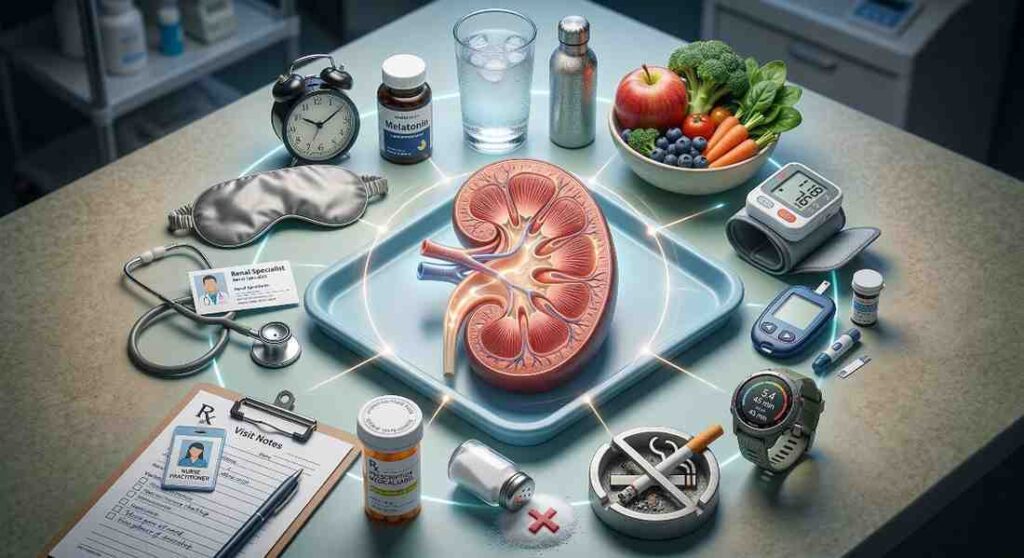
Maintaining kidney health is essential to prevent renal disorders and kidney failure. Here are some practical kidney health tips:
- Drink Enough Water – Staying hydrated helps the kidneys filter waste effectively.
- Maintain Healthy Blood Pressure – High blood pressure is a leading cause of kidney damage.
- Control Blood Sugar – Proper management of Diabetes reduces the risk of chronic kidney disease (CKD).
- Reduce Salt Intake – Excess salt increases blood pressure and kidney workload.
- Avoid Smoking – Tobacco use damages blood vessels, reducing kidney function.
- Eat a Balanced Diet – Include fruits, vegetables, and low-fat protein to support renal health.
- Exercise Regularly – Physical activity helps control weight, blood pressure, and blood sugar.
- Limit Painkiller Use – Overuse of NSAIDs can harm the kidneys.
- Monitor Kidney Function – Regular kidney function blood tests and GFR tests help detect problems early.
- Manage Stress and Sleep Well – Good sleep and stress control support overall kidney health.
Best Diet for Kidney Health:
A healthy kidney diet is important in order to ensure that there is proper kidney function and to prevent any kidney disease that may occur in future.
Foods Good for Kidneys:
Fruits and vegetables – These are rich in antioxidants and fibre and are beneficial to the kidneys.
Lean proteins – Chicken, fish, and eggs are all rich in protein and are beneficial to the kidneys since they don’t put a lot of pressure on them.
Whole grains – These are important in controlling blood sugars and pressure.
Foods to Avoid:
Excessive salt intake – Salt is known to increase pressure in our bodies, and this would put a lot of pressure on our kidneys.
Processed foods – These are known to contain a lot of salt and preservatives, in addition to fats that are not healthy.
Sugary drinks – Such drinks are known to lead to obesity and diabetes, and this would increase the chances of getting a kidney disease in future.
Importance of Hydration:
Water is important in order to help our kidneys to filter and to prevent any kidney stones from forming in our kidneys.
Lifestyle Habits That Protect Your Kidneys:
Healthy lifestyle practices are essential in preventing kidney disease and protecting your kidneys from damage.
Exercise Regularly – Exercise is important in controlling and regulating blood pressure, blood sugars, and weight, thus protecting you from chronic kidney disease (CKD).
Manage Stress – Stress is a major contributor to high blood pressure and kidney disease. Engaging in meditation, yoga, or deep breathing techniques is important in protecting your kidneys.
Regular Health Checkups – Regular kidney function tests, urine tests, and GFR tests are important in detecting kidney problems in a timely fashion, thus protecting you from kidney failure.
By practicing these healthy lifestyle habits, you can strengthen your kidneys and reduce the possibility of kidney damage and failure, thus protecting you from kidney disease.
How World Kidney Day is Celebrated Worldwide:
World Kidney Day is celebrated worldwide to promote kidney awareness campaigns and educate the public about kidney health. Hospitals and healthcare organizations, along with medical professionals, are involved in organizing screening camps for free kidney function tests, GFR tests, and urine tests to detect early kidney disease.
In addition, awareness programs and educational activities are conducted through workshops and seminars to educate the public about kidney disease and its symptoms, risk factors, and preventive measures.
Through these activities, individuals learn about the importance of healthy kidneys, a proper kidney health diet, and lifestyle habits that help prevent kidney disease. These celebrations are conducted worldwide to increase awareness and prevent kidney disease among individuals.
How You Can Participate in World Kidney Day:
You can actively contribute to World Kidney Day by joining kidney awareness activities in your community. Participate in health checkups and screening camps to monitor kidney function, helping detect early renal disorders.
Engage in community awareness programs by volunteering at events, organizing educational sessions, or sharing information about kidney disease symptoms and prevention with family and friends.
You can also support the cause online through social media campaigns, spreading awareness about healthy kidneys, kidney health tips, and the importance of early detection.
By taking part in these initiatives, you help promote kidney disease prevention, encourage regular kidney function tests, and raise awareness about maintaining long-term renal health.
When to Consult a Doctor for Kidney Problems:
It’s important to seek consultation with a nephrologist if you notice any kidney disease symptoms or changes in your health. This will ensure the prevention of chronic kidney disease (CKD) or renal failure.
Symptoms That Require Medical Attention:
- Experiencing fatigue and weakness
- Experiencing swelling on the feet, ankles, and/or around the eyes
- Experiencing changes in urination, such as increased urination, foamy urine, and/or blood in the urine
- Experiencing shortness of breath, nausea, and/or vomiting
- Experiencing high blood pressure, which is difficult to control
Book Kidney Health Consultation at Home:
With Medifyhome, it is easier to take care of and maintain healthy kidneys. For instance, you can schedule a consultation with a doctor to discuss various symptoms of kidney disease, causes of kidney disease, and ways to prevent it. Medifyhome also provides you with important tests that you can take from home, such as a blood test to determine kidney function, a urine test to determine kidney function, and a GFR test to determine kidney function. With regular preventive health checks conducted by Medifyhome, you can easily monitor and keep your kidneys healthy and detect any changes in kidney function. With this, you are able to prevent and treat various kidney diseases in a healthy and efficient way from the comfort of your home.
Frequently Asked Questions About Kidney Health:
World Kidney Day is an annual global health awareness campaign observed on the second Thursday of March to educate people about kidney health and reduce the impact of kidney disease worldwide.
Early kidney disease symptoms include fatigue, swelling in the feet or ankles, changes in urination, foamy urine, and loss of appetite. Regular kidney function tests help detect these signs early.
Yes, kidney disease prevention is possible through a healthy lifestyle, regular kidney screening, proper hydration, a balanced diet, controlling blood sugar and blood pressure, and avoiding smoking or excess painkiller use.
Adequate hydration supports kidney function. Most adults should drink at least 6–8 glasses of water daily, though needs may vary based on age, health, and activity levels.
Kidney function tests include blood tests (serum creatinine), urine tests (albumin), and GFR blood work, which assess how well the kidneys filter waste from the blood.
High-risk groups include people with Diabetes, high blood pressure, obesity, family history of renal disease, older adults, and individuals who use painkillers excessively. Regular nephrologist consultation and kidney screening are recommended for these groups.
Conclusion:
Protect Your Kidneys – Early Detection Saves Lives
Kidney health is important, and maintaining it is vital to our lives. Increasing kidney health awareness is significant in preventing kidney diseases. Regular kidney function tests, GFR tests, and checkups can help in the early detection of kidney diseases, and this can be prevented before it turns into chronic kidney disease or kidney failure. Living a healthy life, including a healthy kidney health diet, staying hydrated, exercising regularly, and abstaining from smoking, can reduce the risk of kidney damage. By observing World Kidney Day, we can spread awareness and educate people to prevent kidney diseases and live a healthy life.