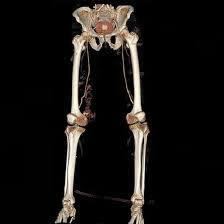
Indications for an NCCT of the Upper Leg
- Bone Fractures
Complex or Subtle Fractures: NCCT is especially helpful in identifying complex fractures or fractures that may be difficult to see on regular X-rays, including stress fractures, tiny fractures, or fractures in the femur (thigh bone) or patella (kneecap).
- Soft Tissue Injuries
Muscle and Tendon Tears: NCCT is valuable for visualizing muscle tears, tendon injuries, or ligament damage in the thigh. This is especially helpful when the injury involves deeper muscle layers, which may not be visible on X-rays.
- Bone Tumors and Lesions
Benign Tumors: An NCCT scan can help detect benign bone tumors such as osteochondromas or bone cysts, as well as soft tissue tumors near the thigh.
Malignant Tumors: It can also identify malignant bone tumors (such as osteosarcoma) or sarcomas, helping to determine the size and extent of the tumor for staging and treatment planning.
- Infections
Osteomyelitis (Bone Infection): NCCT is often used to diagnose osteomyelitis, a bone infection that can affect the femur or surrounding bones. The scan can show bone erosion, abscesses, or soft tissue involvement.
- Arthritis and Degenerative Conditions
Joint Degeneration: NCCT helps diagnose degenerative joint conditions such as osteoarthritis or rheumatoid arthritis, especially in the hip joint or knee, where the upper leg meets the pelvis.
Cartilage Loss: The scan can reveal cartilage loss or damage in the joints of the upper leg, contributing to pain and functional limitations.
- Fracture Healing and Post-Surgical Evaluation
Fracture Healing: NCCT can be used to monitor the healing process of fractures in the upper leg, helping doctors assess whether the bone is healing properly and if there are any complications, such as non-union (failure to heal) or infection.
Why NCCT for the Upper Leg?
- Detailed Imaging of Bone and Soft Tissue
High-Resolution Images: NCCT scans are highly effective at creating detailed cross-sectional images of the upper leg, offering a clear view of both bone and soft tissue structures. This high resolution makes it easier to detect fractures, muscle tears, ligament damage, and even bone infections (osteomyelitis), which may not be as easily visible on standard X-rays or MRIs.
Comprehensive Visualization: While X-rays primarily show bone structures, NCCT can also capture soft tissues, such as muscles, tendons, and ligaments, providing a more comprehensive assessment of the injury or condition affecting the upper leg.
- Non-Contrast Advantage
Avoidance of Contrast Dye: One of the key reasons NCCT is preferred in certain situations is that it does not require contrast dye, which is often used in traditional CT scans to enhance imaging. This is particularly important for patients who may have:
Allergies to contrast agents (iodine or other compounds).
Kidney problems (e.g., kidney disease or reduced kidney function), as contrast dye can put additional strain on the kidneys.
Pregnancy: In cases where the use of contrast agents is not advised due to potential risks to the developing fetus.
Fewer Risks: Without the need for contrast, there are fewer risks associated with the procedure, making it a safer alternative for certain populations.
- Clear Visualization of Complex Fractures
Complex and Comminuted Fractures: NCCT is particularly effective for evaluating complex fractures (e.g., those that involve multiple bone fragments or difficult-to-see breakages), such as femur fractures, patellar fractures, or fractures in deep bone structures of the upper leg. The ability to visualize the bones in thin slices from multiple angles allows doctors to understand the precise nature and extent of the injury.
Pre-Surgical Planning: In cases of complex fractures, NCCT provides crucial information that helps surgeons plan and execute the most appropriate treatment or surgical procedure, including realignment of bones or the use of implants.
- Effective for Soft Tissue Injuries
Muscle, Tendon, and Ligament Evaluation: While MRI is typically preferred for soft tissue imaging, NCCT is still highly effective in assessing muscle tears, ligament strains, tendon injuries, and other soft tissue problems in the upper leg, particularly in cases where there may be acute trauma or internal bleeding (hematomas). It provides a clear, fast way to identify deep tissue damage or inflammation that may not be visible through X-rays.
Detection of Hematomas or Abscesses: NCCT can help locate and assess internal bleeding (e.g., hematomas) or abscesses (pockets of infection) in the soft tissues, which might arise from blunt trauma or infections.
The NCCT Procedure for the Upper Leg
- Preparation for the NCCT Scan
Clothing: Before the scan, you’ll be asked to remove any clothing that might contain metal, such as belts, jewelry, or buttons. You may be provided with a hospital gown to wear during the scan. This is to ensure that there is no interference with the CT images, as metal can distort the results.
Remove Metal Objects: It’s important to remove all metallic items (such as jewelry, piercings, watches, or hearing aids) from the area being scanned. Any metallic objects, including zippers or clips, should be removed to avoid interfering with the CT imaging.
No Special Preparations: Unlike some medical imaging procedures, an NCCT scan of the upper leg doesn’t require fasting or other special preparations. You can eat and drink as usual before the scan, unless otherwise instructed by your healthcare provider.
Informing the Technician: Be sure to inform the CT technician if you have any previous medical conditions (e.g., kidney problems, allergies) or if you are pregnant or may be pregnant, though NCCT doesn’t use contrast dye. It’s also important to let them know if you’ve had prior surgeries in the area or have any implanted devices.
- The NCCT Procedure: Step-by-Step
Positioning: Once you are in the imaging room, you will be asked to lie down on a CT table. The technician will position you in such a way that the upper leg is properly aligned within the scanner. Typically, you will lie on your back with the leg slightly extended, but the exact positioning may depend on the area being examined and the type of injury or condition being investigated.
In some cases, the technician might ask you to rotate your leg or adjust your position slightly to capture different angles of the upper leg.
The CT Scanner: The CT scanner consists of a large doughnut-shaped ring, which contains an X-ray tube and a detector. This ring surrounds the area being scanned. The CT table will slide in and out of this ring during the scan.
Scan Initiation: After you are comfortably positioned, the technician will step outside the room and start the scan. During the scan, the X-ray tube in the CT scanner rotates around your body, taking multiple images of the upper leg in thin slices from different angles.
Breathing Instructions: While the scan is being performed, you may be asked to hold your breath for a few seconds to minimize movement and ensure the images are clear. It’s important to stay as still as possible during the scan to avoid blurring the images.
Duration of the Scan: The scan typically lasts between 10 to 20 minutes, depending on the complexity of the images needed. You might hear a series of clicking, buzzing, or whirring sounds as the machine takes images, but the procedure is generally painless.
- During the Scan: What to Expect
No Pain or Discomfort: The NCCT scan itself is non-invasive and should not cause pain or discomfort. You may feel a slight sensation of movement as the CT table moves, but this is normal and typically not uncomfortable.
Comfortable Positioning: The CT technician will ensure that you are positioned as comfortably as possible, especially if you need to remain still for a longer period. If you experience any discomfort or need a break, let the technician know right away.
Communication with the Technician: During the procedure, the technician will be able to communicate with you through an intercom system in the room. If you have any concerns or need assistance, don’t hesitate to speak up.
Benefits of NCCT for the Upper Leg
An NCCT (Non-Contrast CT) scan of the upper leg offers several advantages, making it a valuable diagnostic tool for assessing a variety of bone and soft tissue conditions in the thigh and surrounding areas. Below are some of the key benefits of using an NCCT for evaluating the upper leg:
- High-Resolution Imaging
Detailed Cross-Sectional Images: One of the primary advantages of NCCT is its ability to generate detailed, high-resolution cross-sectional images of both bone and soft tissue. This allows healthcare providers to examine the structure of the femur, patella, muscles, tendons, and other soft tissues in great detail.
- Non-Contrast Nature
No Need for Contrast Dye: Unlike standard CT scans, which often require contrast dye to enhance the images, NCCT uses no contrast agents. This makes it a safer option for certain patients, including those who:
Have allergies to contrast agents (such as iodine-based dyes).
Have impaired kidney function or conditions such as chronic kidney disease, where contrast agents can exacerbate kidney issues.
- Quick and Efficient Procedure
Speedy Imaging Process: NCCT scans are fast and efficient, typically taking between 10 to 20 minutes to complete. This quick scan time is particularly useful in emergency settings or situations where a rapid diagnosis is required.
- Comprehensive Evaluation of Bone and Soft Tissue
Bone and Soft Tissue Visualization: NCCT provides excellent visualization of both bone and soft tissues (e.g., muscles, tendons, ligaments, and blood vessels) in the upper leg. While MRI is typically better for evaluating soft tissues, NCCT strikes a balance by offering detailed images of both, which makes it especially useful for conditions that affect both bone and soft tissue structures.
- Accurate Tumor and Lesion Detection
Bone Tumors: NCCT is an effective tool for detecting benign and malignant bone tumors (e.g., osteosarcoma or osteochondromas) in the femur, patella, and other bones of the upper leg. The scan can also identify bone cysts, lesions, and abnormal growths that might be the source of pain, swelling, or functional impairment.