National Drug & Alcohol Facts Week (awareness)
Table of Contents
Introduction to National Drug & Alcohol Facts Week and Its Importance
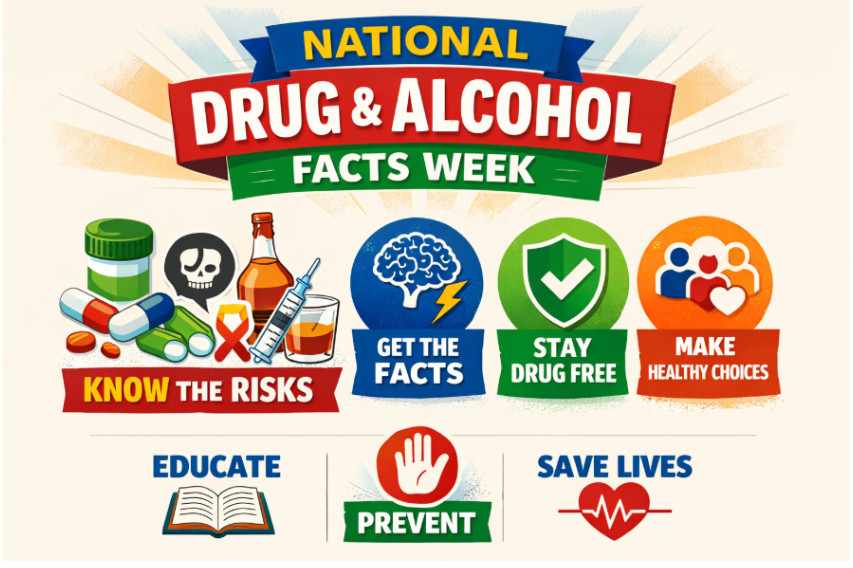
National Drug & Alcohol Facts Week (NDAFW) is an annual health awareness campaign that aims to educate people about the facts, risks, and dangers associated with drug and alcohol abuse. The primary objective of this health awareness week is to educate people about the realities and dangers associated with drug and alcohol addiction. This campaign helps people understand how drug and alcohol addiction can affect their physical and mental health and overall lifestyle. Drug and alcohol addiction has become one of the most critical public health issues in the world. People, especially teenagers and young adults, often get misguided information about drug and alcohol use. National Drug & Alcohol Facts Week helps eliminate these misconceptions and spread accurate information to help people make healthy, safe choices. This health awareness campaign also helps people discuss the risks associated with drug and alcohol addiction. With this, National Drug & Alcohol Facts Week has become one of the most prominent campaigns to eliminate drug and alcohol addiction, promote healthy lifestyles, and create a drug-free future for young generations.
History and Purpose of National Drug & Alcohol Facts Week
National Drug & Alcohol Facts Week (NDAFW) is an annual awareness campaign that was initiated by the National Institute on Drug Abuse (NIDA). The main aim of this campaign was to provide factual information concerning drug abuse, alcohol, and addiction. This helps people, especially young people, to understand the real dangers and impacts of drug and alcohol abuse. Over the years, this awareness week has helped people, especially young people, to become aware of the importance of preventing drug and alcohol abuse.
Key Purpose of National Drug & Alcohol Facts Week
- Educate people about the risks of drug and alcohol abuse
- Spread accurate facts and awareness about addiction
- Encourage healthy and drug-free lifestyles
- Reduce misinformation and myths about drugs
Why Drug and Alcohol Awareness Is Important for Public Health
Drug and alcohol awareness is very important for maintaining public health and well-being. Substance abuse is often responsible for many health problems, mental health problems, and social problems. Awareness about the problems that drug use and alcohol addiction cause will encourage people to make better choices in life. Education and awareness about drug use and alcohol addiction will encourage people to understand the problems that drug use and alcohol addiction cause. If people in a region are aware of drug use and alcohol addiction, they will find it easier to reduce the number of people addicted to drugs and alcohol. They will also find it easier to prevent complications and encourage people to get treatment for their addiction problems. Drug and alcohol awareness is very important for maintaining public health and well-being. It is very important for the younger generation. Awareness about drug use and alcohol addiction will encourage people to lead a healthy life without drugs.
Key Benefits of Drug and Alcohol Awareness
- Helps prevent substance abuse and addiction
- Encourages healthy lifestyle choices
- Reduces health risks and medical complications
- Promotes mental health and well-being
- Supports community health and safety
Why Drug and Alcohol Awareness Is Important for Public Health
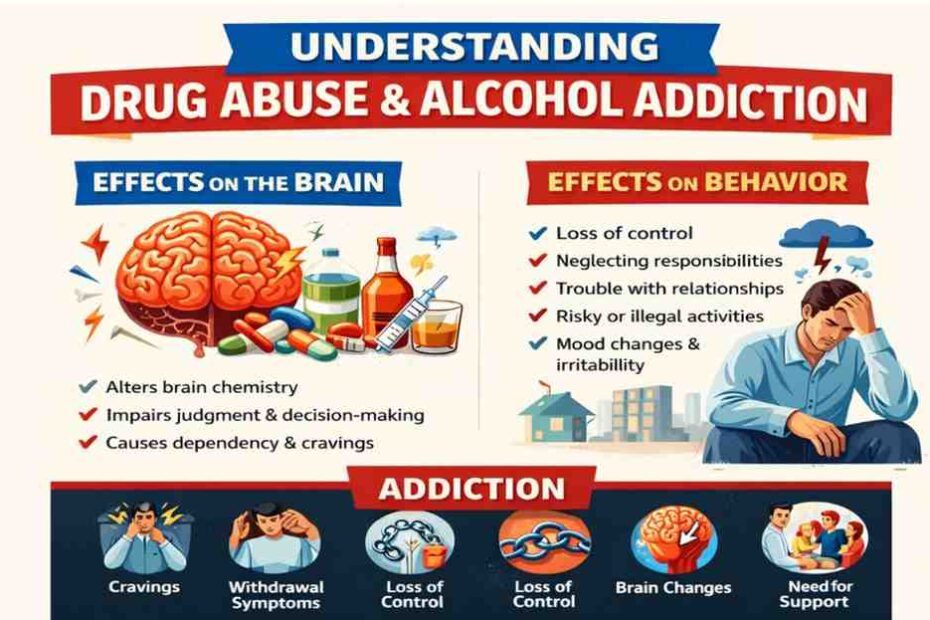
Drug abuse and alcohol addiction can be viewed as health issues that affect an individual’s physical health, mental health, and life. Drug abuse can be described as the use of illegal or prescription medication in a manner that affects an individual’s physical health. In contrast, alcohol addiction, also known as alcohol dependence, can be viewed as the inability to control an individual’s drinking habit. In contrast, alcohol dependence, also known as alcohol addiction, can be viewed as the inability to control an individual’s drinking habit. Both drug abuse and alcohol addiction can cause serious problems, including health issues, changes in behaviour, and social problems. As one continues to abuse alcohol or use other drugs, one can develop a change in one’s brain that can cause one to have difficulties in quitting the use of alcohol or other drugs, even if one is aware of the dangers associated with the use of alcohol or other drugs. Knowing the difference between the use, abuse, and addiction of alcohol and other drugs is important in identifying the signs of drug abuse.
Common Signs of Drug and Alcohol Addiction
- Strong cravings for drugs or alcohol
- Difficulty controlling substance use
- Neglecting responsibilities at work, school, or home
- Increased tolerance and needing more of the substance
- Withdrawal symptoms when not using drugs or alcohol
Raising awareness about drug abuse and alcohol addiction can help people identify problems early and encourage them to seek professional support and treatment.
Difference Between Drug Use, Misuse, and Substance Addiction
Understanding the difference between drug use, drug misuse, and substance addiction is important for identifying risky behaviours and preventing serious health problems. While some substances may be used responsibly under medical supervision, misuse and addiction can lead to harmful physical, mental, and social consequences.
| Aspect | Drug Use | Drug Misuse | Substance Addiction |
|---|---|---|---|
|
Definition |
Using drugs legally or medically as prescribed by a healthcare professional
|
Using drugs in a way that is not recommended |
A chronic condition where a person becomes dependent on drugs or alcohol
|
|
Purpose |
Medical treatment or controlled use |
Recreational use or improper use of medication |
Compulsive use despite harmful consequences
|
|
Control Over Use |
The person can control when and how the drug is used
|
Control may start to decrease
|
Loss of control over substance use |
|
Health Impact |
Usually safe when used correctly |
Can cause physical and mental health problems
|
Serious health risks and long-term damage |
|
Examples |
Taking prescribed pain medication correctly
|
Taking higher doses of medicine without a prescription
|
Being unable to stop using drugs or alcohol
|
Commonly Abused Drugs Around the World
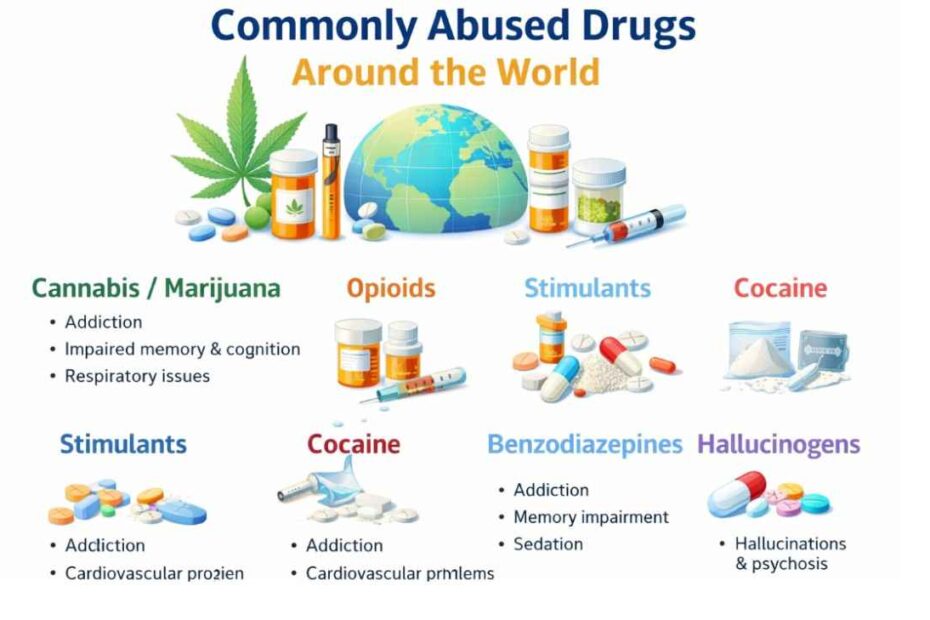
Drug abuse is a major global health concern. Many substances are misused because they create temporary feelings of pleasure or relaxation, but they can lead to serious health problems and addiction. Understanding commonly abused drugs helps raise awareness and supports prevention efforts.
Some Commonly Abused Drugs
Marijuana (Cannabis) – Often used recreationally but can affect memory, learning, and mental health.
Cocaine – A powerful stimulant that increases energy but can cause heart problems and addiction.
Heroin – A highly addictive opioid that can lead to severe health risks and overdose.
Prescription Drugs – Painkillers, sedatives, and stimulants can be dangerous when misused.
Methamphetamine – A strong stimulant that affects the brain and can cause long-term damage.
Alcohol – One of the most commonly abused substances worldwide.
Short-Term Effects of Drug and Alcohol Abuse on the Body
Drug and alcohol abuse can quickly affect the body and brain. Even a single misuse episode can lead to dangerous short-term health effects. These effects may vary depending on the type of substance used.
Common Short-Term Effects
- Increased heart rate and blood pressure
- Impaired judgment and decision-making
- Mood changes and confusion
- Nausea and vomiting
- Loss of coordination and balance
- Risk of accidents and injuries
Long-Term Health Risks of Drug and Alcohol Addiction
Long-term drug and alcohol addiction can cause serious damage to both physical and mental health. Continuous substance use can affect major organs and lead to chronic diseases.
Major Long-Term Health Risks
- Heart disease and high blood pressure
- Liver damage and liver disease
- Brain damage and memory problems
- Respiratory issues and lung damage
- Weakened immune system
- Mental health disorders such as depression and anxiety
Long-term addiction also affects relationships, career stability, and overall quality of life. Early prevention and treatment are important to reduce these risks.
How Drugs and Alcohol Affect the Brain and Mental Health
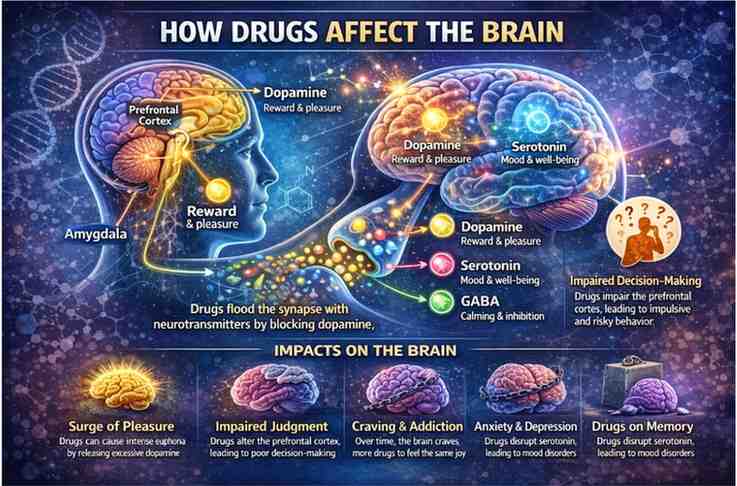
Drugs and alcohol directly affect the brain by changing the way nerve cells communicate. These substances interfere with the brain’s, reward system, creating feelings of pleasure that can lead to repeated use and addiction.
Over time, substance abuse can change brain structure and function, making it harder for a person to control their behaviour or stop using drugs.
Mental Health Effects
- Anxiety and depression
- Mood swings and irritability
- Memory and concentration problems
- Increased risk of mental health disorders
- Difficulty making decisions
These effects highlight the importance of drug awareness and addiction prevention programs.
Drug and Alcohol Abuse Among Teenagers and Young Adults
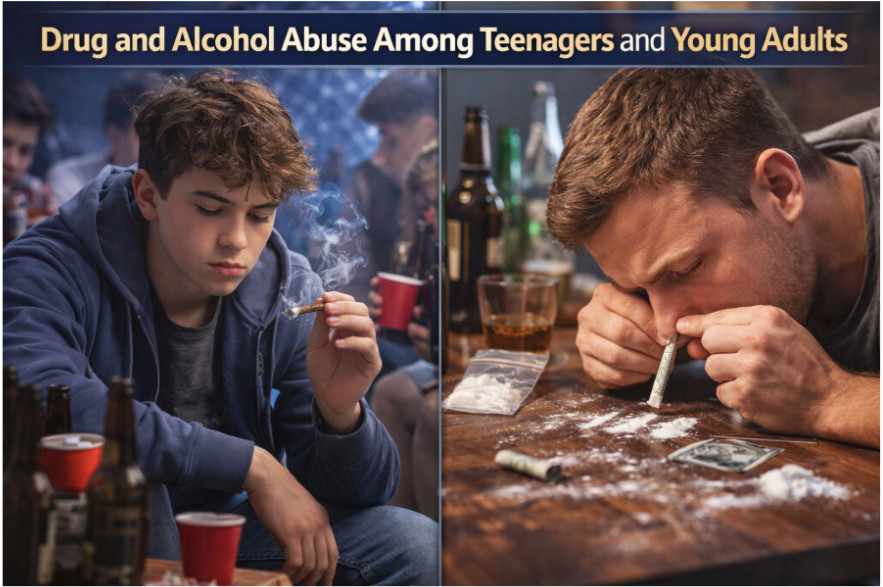
Teenagers and young adults are also at risk of drug and alcohol abuse. Teenagers are curious, and peer pressure, stress, and social influences can lead them to drug and alcohol abuse. Teenage drug and alcohol abuse can be very dangerous because the brain is developing at this time. Learning ability, emotional control, and health can be affected by drug abuse at this time.
Common Risk Factors
- Peer pressure from friends or social groups
- Stress, anxiety, or emotional problems
- Lack of awareness about drug risks
- Easy access to alcohol or drugs
- Influence from social media or online trends
Educating young people about the dangers of substance abuse is essential to encourage healthy, drug-free lifestyles.
Major Causes and Risk Factors of Substance Abuse
There is no single cause of substance abuse. Many different factors can lead to drug abuse and alcohol addiction. By knowing the reasons, we can work towards prevention.
Common Causes and Risk Factors
- Peer pressure and social influence
- Stress, anxiety, or depression
- Curiosity and experimentation, especially among young people
- Family history of addiction
- Easy access to drugs or alcohol
- Lack of awareness about substance abuse risks
- Trauma or difficult life experiences
Recognising these risk factors helps promote drug abuse prevention and healthier lifestyle choices.
Warning Signs and Symptoms of Drug and Alcohol Addiction
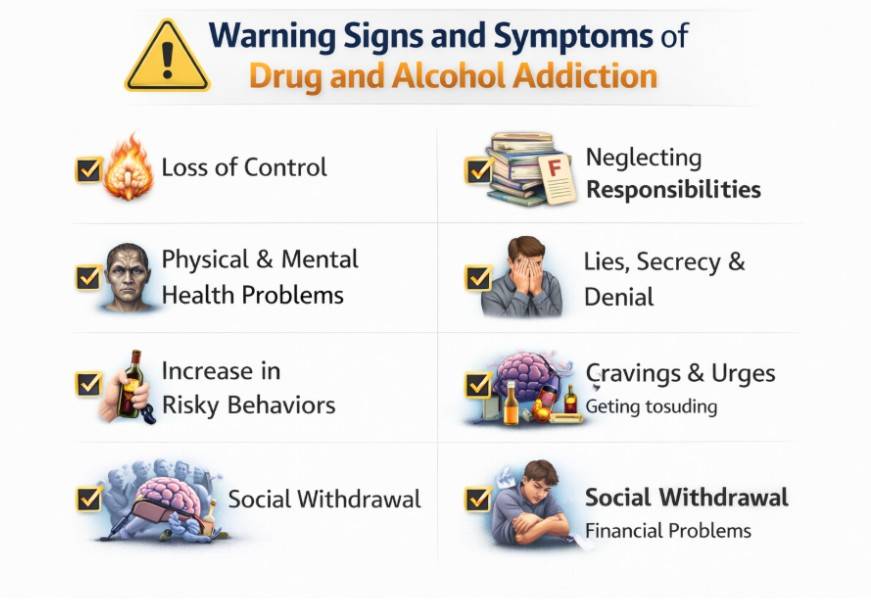
Learning to recognise the early signs of drug and alcohol addiction can help people seek assistance for their problems at an early stage. Addiction can have serious effects on an individual’s behaviour, health, and emotional state.
Common Warning Signs
Behavioral Signs
- Sudden changes in behavior or personality
- Loss of interest in daily activities
- Neglecting responsibilities at school, work, or home
Physical Signs
- Changes in sleep patterns
- Red or tired eyes
- Sudden weight loss or weight gain
Emotional Signs
- Mood swings or irritability
- Anxiety or depression
- Secretive or suspicious behavior
Early recognition of these symptoms can encourage timely treatment and support for recovery.
Common Myths and Facts About Drugs and Alcohol
Many misconceptions exist about drug use and alcohol consumption. These myths can lead to dangerous decisions. Providing accurate information helps people understand the real risks of substance abuse.
| Myth | Fact |
|---|---|
|
Only illegal drugs are dangerous |
Prescription medicines can also be harmful when misused
|
|
Addiction happens only to weak people |
Addiction is a medical condition that can affect anyone
|
|
Alcohol is safer than drugs
|
Excessive alcohol use can cause serious health problems |
|
You can stop anytime |
Addiction changes brain function and often requires treatment
|
Educating people about the truth behind these myths helps promote drug awareness and responsible decision-making.
The Social and Economic Impact of Drug and Alcohol Abuse
Drug and alcohol abuse affects not only individuals but also families, communities, and economies. Substance abuse can create serious social and financial challenges.
Social Impact
- Family conflicts and broken relationships
- Increased crime and violence
- Reduced quality of life
Economic Impact
- Increased healthcare costs
- Loss of workplace productivity
- Financial burden on families and governments
Addressing substance abuse through education, prevention, and treatment programs is essential for protecting community health and economic stability.
Drug and Alcohol Abuse Statistics and Global Trends
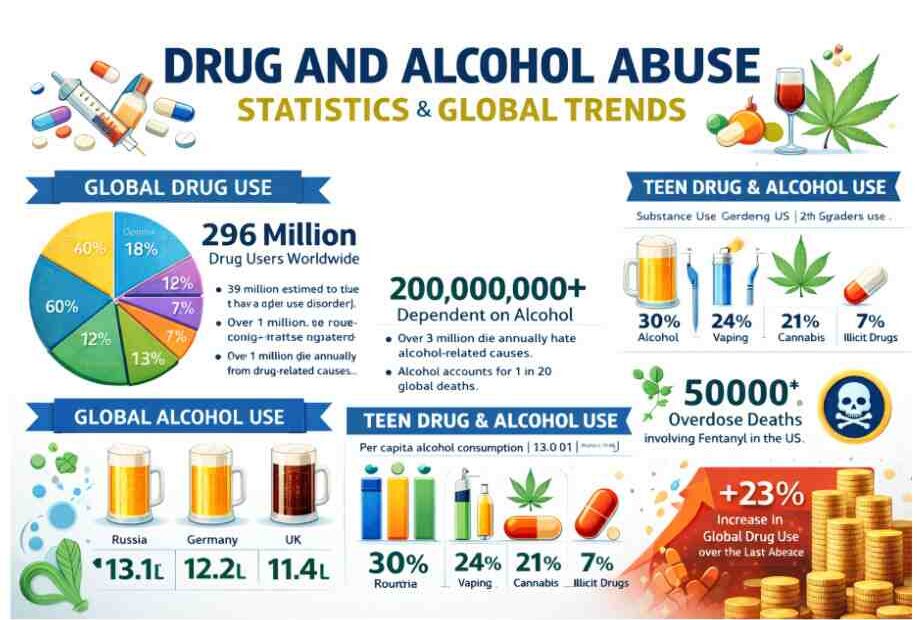
Drug and alcohol abuse continues to be a major global public health concern. Millions of people around the world are affected by substance use disorders, leading to health risks, accidents, and social problems.
Key Global Trends
- Millions of people worldwide struggle with drug and alcohol addiction.
- Alcohol remains one of the most widely abused substances globally.
- Young adults and teenagers are increasingly exposed to drugs and alcohol.
- Governments and health organizations are expanding awareness and prevention programs.
Understanding global trends helps governments, healthcare providers, and communities develop better drug prevention strategies and treatment programs.
Drug and Alcohol Abuse Awareness in India
Drug and alcohol abuse is turning out to be a rising concern in India. Many government organisations, healthcare facilities, and social organisations are working to raise drug awareness and prevent addiction through campaigns. These campaigns help in creating awareness among people about the risks of drug abuse, alcohol addiction, and drug misuse. The Government of India and many public healthcare organisations are running campaigns to encourage people to adopt healthy, drug-free lifestyles. These campaigns include activities in schools and colleges to help people become aware of the risks of substance abuse and the importance of seeking help. All these activities help reduce addiction and protect people’s health and wellness.
The Role of Parents and Families in Preventing Addiction
Parents and families have a very significant role to play in the prevention of drug and alcohol addiction. The family environment helps the child make safe and healthy choices. If parents educate their children about the dangers of drugs and alcohol, it helps the kids to understand the dangers and hence refrain from such activities.
Ways Families Can Help Prevent Addiction
- Encourage open communication about drugs and alcohol
- Educate children about the health risks of substance abuse
- Monitor social activities and peer influence
- Provide emotional support during stressful situations
Strong family support can greatly reduce the chances of drug abuse among teenagers and young adults.
Importance of School and College Awareness Programs
Schools and colleges play a crucial role in spreading drug and alcohol awareness among students. Educational institutions can help young people understand the dangers of substance abuse and encourage responsible decision-making.
Awareness programs, seminars, and educational workshops provide students with accurate information about drug addiction, alcohol misuse, and prevention strategies.
Benefits of Awareness Programs in Educational Institutions
- Educate students about drug abuse risks
- Encourage healthy and drug-free lifestyles
- Promote responsible choices among teenagers
- Provide early support for students facing substance issues
Such programs help create a safer and healthier environment for students.
Community Efforts to Prevent Drug and Alcohol Abuse
Community involvement is essential in preventing drug and alcohol abuse. Local organizations, healthcare professionals, and community leaders can work together to raise awareness and support prevention initiatives Community programs often organize workshops, support groups, and awareness campaigns that educate people about the harmful effects of substance abuse.
Key Community Prevention Efforts
- Public awareness campaigns
- Community education workshops
- Support groups for individuals and families
- Collaboration with healthcare professionals
- Local initiatives promoting healthy lifestyles
Community participation helps build a supportive environment that discourages substance abuse.
Treatment Options for Drug and Alcohol Addiction
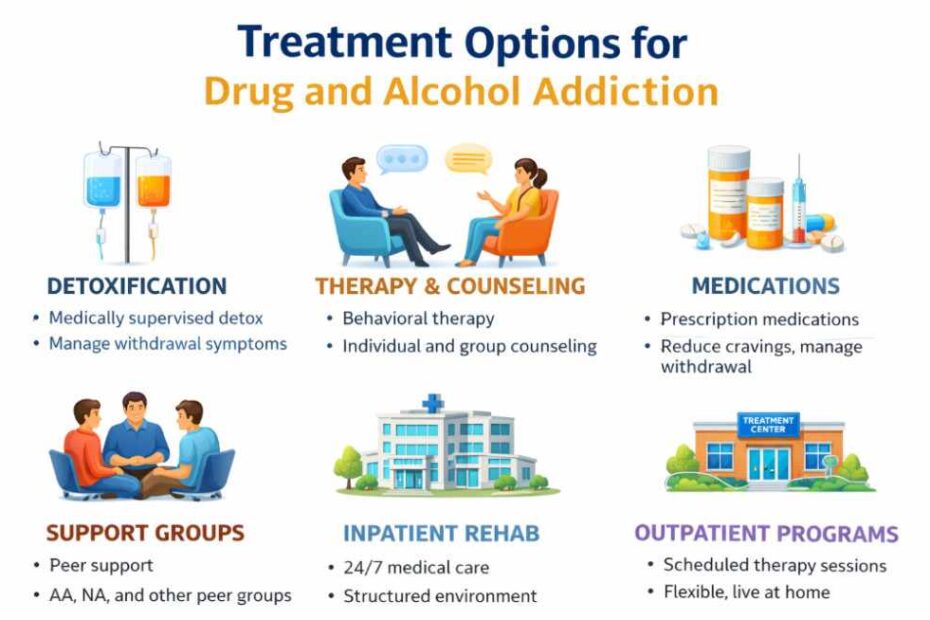
However, drug and alcohol addiction is a serious health condition, and there are effective treatment options available. With appropriate medical care and support, people can overcome the condition and lead healthy lives. Treatment options for drug and alcohol addiction help people stop their addiction, get relief from withdrawal symptoms, and improve their health.
Common Treatment Options
- Medical detoxification to remove substances from the body
- Counseling and behavioral therapy
- Medication-assisted treatment for certain addictions
- Support groups and recovery programs
Early treatment improves the chances of successful recovery and long-term health.
Rehabilitation and Recovery Programs for Substance Abuse
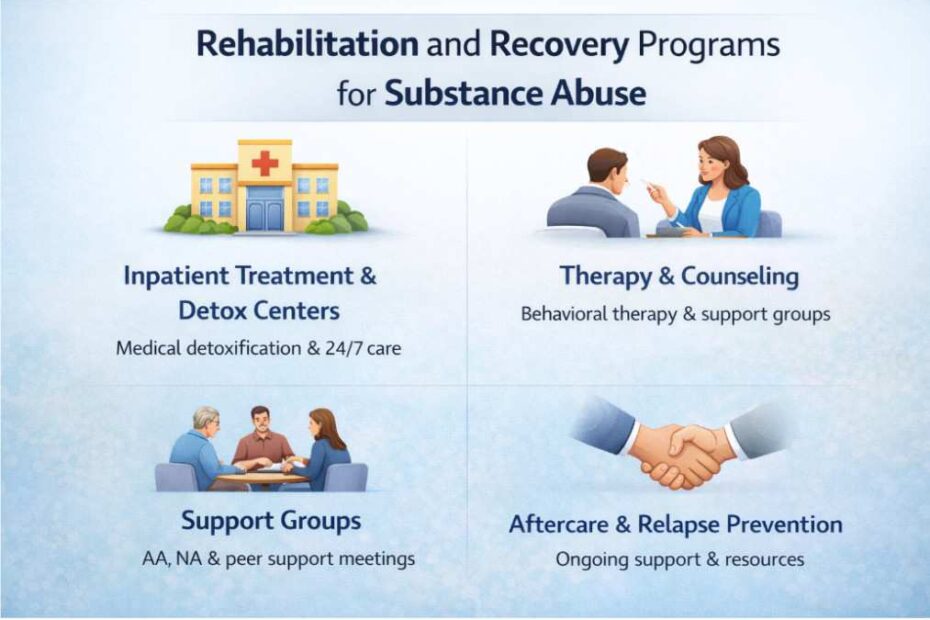
Rehabilitation programs help individuals recover from drug and alcohol addiction and rebuild their lives. These programs focus on both physical and psychological recovery.
Rehabilitation centres provide structured treatment plans that include counselling, therapy, and support to help individuals overcome addiction.
Key Components of Rehabilitation Programs
- Individual counselling and therapy
- Group therapy and peer support
- Lifestyle and behavioural changes
- Mental health support
- Long-term recovery planning
Recovery from addiction is a gradual process, but with proper treatment and support, individuals can achieve lasting sobriety and improved quality of life.
Tips for Preventing Drug and Alcohol Addiction
In order to prevent drug and alcohol addiction, one must always be aware and educated about a healthy lifestyle. Understanding the risk factors for drug and alcohol addiction will lead to a healthy lifestyle.
Effective Tips to Prevent Addiction
- Educate yourself about the risks of drugs and alcohol
- Build strong and supportive relationships with family and friends
- Develop healthy coping strategies to manage stress
- Avoid environments where drugs or alcohol are easily available
- Participate in sports, hobbies, and positive activities
- Seek professional help or counseling when facing emotional difficulties
Prevention is the most effective way to reduce the risk of addiction and promote a healthy, drug-free life.
How to Participate in National Drug & Alcohol Facts Week Awareness Activities
National Drug & Alcohol Facts Week encourages individuals, schools, and communities to take part in awareness activities that educate people about drug abuse prevention and alcohol addiction risks.
Ways to Participate in Awareness Activities
- Organize educational seminars and workshops
- Share drug awareness information on social media
- Conduct school and college awareness programs
- Participate in community health campaigns
- Encourage discussions about the dangers of substance abuse
By participating in these activities, communities can spread awareness and help create a drug-free and healthier society.
Promoting a Healthy and Drug-Free Lifestyle for Future Generations
Promoting a healthy, drug-free lifestyle is vital to ensuring the next generation’s health and well-being. In today’s society, where drug use and alcohol consumption are becoming more common, it is vital to enlighten the minds of the younger generation about the ill effects of drug use, alcohol addiction, and substance abuse. This will allow them to understand the impact of drugs and alcohol on their health in the long run. A drug-free lifestyle emphasises healthy physical, emotional, and social well-being. By teaching young minds healthy habits from a very young age, they will be able to live a life free from negative habits and will possess good decision-making skills. Family, society, and educational institutions play a vital role in guiding young minds towards a healthy, drug-free lifestyle. By providing them with the right environment, they will be able to resist peer pressure and live a life free from drugs and alcohol.
Ways to Promote a Drug-Free Lifestyle
- Encourage healthy habits such as regular exercise, balanced nutrition, and proper sleep.
- Provide education about drug and alcohol risks through school programs and awareness campaigns.
- Promote positive activities such as sports, the arts, and community involvement.
- Strengthen family relationships and communication to support emotional well-being.
- Teach young people stress management and problem-solving skills to handle challenges without turning to substances.
Tips for Preventing Drug and Alcohol Addiction
Preventing drug and alcohol addiction requires awareness, education, and healthy lifestyle choices. By understanding the risks of substance abuse and alcohol misuse, individuals can make better decisions and avoid harmful habits.
Effective Tips to Prevent Addiction
- Educate yourself about the risks of drugs and alcohol
- Build strong and supportive relationships with family and friends
- Develop healthy coping strategies to manage stress
- Avoid environments where drugs or alcohol are easily available
- Participate in sports, hobbies, and positive activities
Prevention is the most effective way to reduce the risk of addiction and promote a healthy, drug-free life.
Conclusion
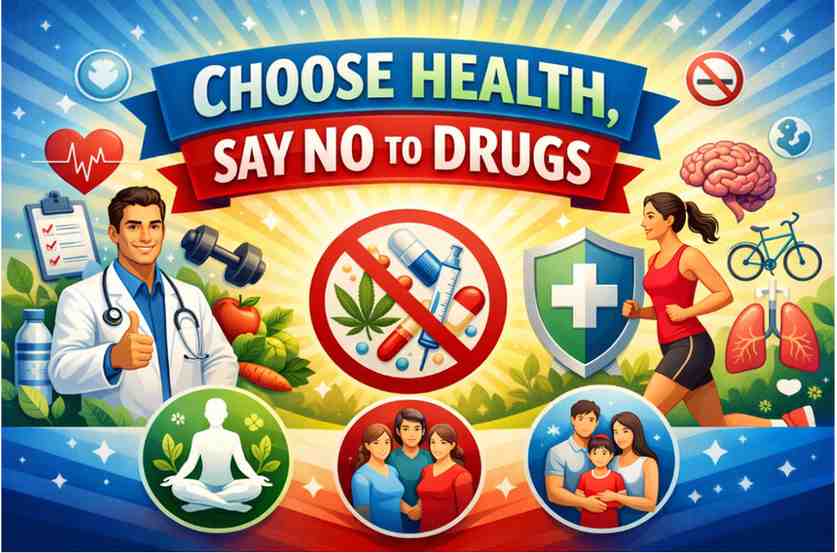
National Drug & Alcohol Facts Week has been playing an important role in spreading awareness about the dangers of abusing drugs, alcohol addiction, and other substance abuse. Through education and awareness, people can be better informed about the risks associated with such practices and make healthier choices. Spreading awareness about the ill effects of drug and alcohol abuse will definitely help people come together and fight against such practices in their communities. Spreading awareness and promoting healthy practices will definitely reduce the ill effects of such practices to a great extent.
Healthcare websites such as Medifyhome also play a significant role in promoting health in communities. Spreading awareness and promoting healthy practices will definitely help us build a safe and healthy future for generations to come.