
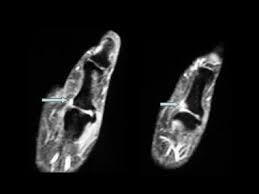
MRI For Left Thumb
Book your MRI For Left Thumb at Medifyhome, where we offer top-quality scans at the best prices. Our NABL & NABH accredited diagnostic centers ensure accurate and reliable results.




Book an Appointment
MRI For Left Thumb
Medifyhome has collaborated with the best pathology laboratories that are NABL and NABH certified and follow ISO safety guidelines to provide the best MRI For Left Thumb at an affordable price for needy individuals. An MRI for the left thumb is a non-invasive diagnostic tool that uses strong magnetic fields and radio waves to create detailed images of the internal structures of your thumb. Whether you’re dealing with an injury, unexplained pain, or a medical condition affecting the thumb, an MRI provides doctors with a clear, high-resolution view of the bones, muscles, tendons, ligaments, and nerves in this small but essential part of your hand. The thumb plays a critical role in our daily activities, from gripping to fine motor tasks, and any problem affecting it can significantly impact quality of life. MRI is particularly useful for diagnosing conditions that affect both soft tissues and bones, such as ligament tears, tendon injuries, fractures, arthritis, or nerve issues that might not be visible through other imaging techniques like X-rays. With its ability to provide a comprehensive look at the thumb’s anatomy without the need for surgery or invasive procedures, MRI is a valuable tool for identifying the underlying causes of thumb pain and discomfort. By understanding how MRI for the left thumb works and when it’s recommended, patients can feel more confident in their healthcare decisions and ensure they receive the most accurate diagnosis and effective treatment for their condition.
To schedule an appointment for a MRI For Left Thumb, simply contact Medifyhome or call our customer care at +919100907036 or +919100907622 for more details and queries.
Overview
Specification
FAQ
Overview
Why MRI for the Left Thumb Used?
An MRI (Magnetic Resonance Imaging) of the left thumb is typically used to diagnose a variety of conditions affecting the thumb’s bones, joints, muscles, tendons, ligaments, nerves, and other soft tissues. Here are the key reasons why an MRI might be used for the left thumb:
- Trauma and Injury
Fractures: MRI is useful for detecting fractures, especially stress fractures or small, non-displaced fractures of the thumb bones (e.g., the proximal phalanx or the first metacarpal), which may not show up on an X-ray.
Dislocations and Subluxations: MRI can help evaluate joint dislocations or subluxations (partial dislocations) in the thumb, particularly in cases where ligaments or cartilage have been damaged.
- Arthritis and Joint Degeneration
Osteoarthritis (OA): MRI is particularly effective in detecting early signs of osteoarthritis in the thumb joint, such as cartilage thinning, bone spurs (osteophytes), and joint space narrowing. The thumb joint, especially the basal (CMC) joint, is prone to osteoarthritis, particularly in older adults.
- Tendon and Ligament Injuries
Tendon Tears or Strains: The thumb is powered by several tendons, including the flexor tendons (which bend the thumb) and extensor tendons (which extend the thumb). MRI can detect partial or complete tears in these tendons, which may occur due to trauma, overuse, or repetitive strain.
- Nerve Compression or Damage
Carpal Tunnel Syndrome: Although carpal tunnel syndrome (CTS) primarily affects the wrist, the compression of the median nerve can extend to the thumb and cause symptoms like numbness, tingling, or weakness. MRI can identify swelling around the median nerve or any anatomical abnormalities contributing to nerve compression at the wrist.
- Arthritis and Joint Inflammation
Thumb Basal Joint Arthritis: The basal joint or CMC joint of the thumb is highly prone to arthritis, especially osteoarthritis. MRI can detect early stages of joint degeneration, such as cartilage wear, synovitis, and bony changes in the joint. This is particularly important for people with thumb pain and limited mobility.
- Infections
Infections in the Soft Tissues or Bone: MRI is particularly sensitive for detecting infections, such as osteomyelitis (bone infection) or septic arthritis (joint infection), which can affect the thumb. In cases of trauma or surgery, infections may be difficult to diagnose without imaging. MRI can help detect swelling, fluid collection, and other signs of infection.
How MRI for Left Thumb Works?
MRI (Magnetic Resonance Imaging) for the left thumb works by using strong magnetic fields, radio waves, and a computer to create detailed images of the internal structures of the thumb, including bones, joints, tendons, ligaments, muscles, nerves, and other soft tissues. Here’s a step-by-step breakdown of how MRI for the left thumb works:
- Magnetic Field Creation
Magnet: MRI uses a powerful magnet, typically around 1.5 to 3 Tesla, which is far stronger than the magnets you encounter in everyday life. When you enter the MRI machine, the magnet creates a strong, uniform magnetic field around you. This magnetic field aligns the hydrogen atoms in the water molecules of your body.
- Radiofrequency Pulse
Radio Waves: Once the hydrogen atoms in your body align with the magnetic field, the MRI machine sends a pulse of radiofrequency (RF) energy toward the body. This RF pulse temporarily disturbs the alignment of the hydrogen atoms in the thumb’s tissues.
- Signal Emission
Relaxation: As the hydrogen atoms return to their original alignment, they release energy in the form of radiofrequency signals. Different tissues in the thumb (such as bone, muscle, tendon, and cartilage) release signals at different rates based on their properties.
- Detection of Signals
Coils: The MRI machine contains coils (sometimes called antennas) that detect these emitted signals. For a detailed image of the left thumb, specialized coils are placed around the area being scanned to capture the signals most effectively.
- Image Creation
Cross-Sectional Slices: MRI images are created in thin slices (cross-sectional images) of the thumb, which can be viewed from different angles. This helps doctors see the anatomy of the thumb in three dimensions, which is critical for diagnosing complex issues like joint degeneration, soft tissue injuries, and tumors.
Common Conditions Diagnosed with MRI for Left Thumb
- Fractures
Stress Fractures: MRI is highly effective for detecting stress fractures in the thumb, especially those that may not show up on X-rays, particularly small or non-displaced fractures in the bones (e.g., phalanges or the first metacarpal).
Joint Fractures: MRI can also detect fractures in the joints, such as the carpometacarpal (CMC) joint of the thumb, and can assess any associated ligament damage.
- Osteoarthritis (OA)
Basal Joint Arthritis (CMC Arthritis): The carpometacarpal (CMC) joint at the base of the thumb is especially prone to osteoarthritis, particularly in older adults. MRI can detect early signs of joint degeneration, such as thinning cartilage, bone spurs (osteophytes), and inflammation, even before these changes are visible on X-rays.
- Rheumatoid Arthritis (RA)
Synovitis: MRI is sensitive to signs of inflammation in the synovial lining of the joints, which is common in rheumatoid arthritis. The imaging can show thickening of the synovial membrane, which indicates synovitis (inflammation of the joint lining).
- Tendon and Ligament Injuries
Tendonitis (Tendinopathy): Inflammation or degeneration of the tendons, especially the flexor tendons (which bend the thumb) and extensor tendons , can be assessed with MRI. Conditions like De Quervain’s tenosynovitis can also be diagnosed.
Tendon Tears or Ruptures: MRI can identify partial or complete tears of tendons in the thumb, which may occur due to trauma, overuse, or repetitive strain.
- Carpal Tunnel Syndrome
Median Nerve Compression: While carpal tunnel syndrome primarily affects the wrist, the symptoms can extend into the thumb, causing numbness, tingling, and weakness. MRI can help identify compression of the median nerve in the wrist, which can affect its branches that innervate the thumb.
Benefits of MRI for Left Thumb
- Non-Invasive and Safe
No Ionizing Radiation: Unlike X-rays or CT scans, MRI does not use ionizing radiation, which makes it a safer option for repeated imaging, especially for patients who may require multiple scans over time or those who are pregnant.
Non-Invasive: MRI is a non-invasive procedure, meaning no incisions or injections are required. It provides detailed internal images without the need for exploratory surgery.
- High-Resolution Imaging of Soft Tissues
Detailed Soft Tissue Visualization: MRI excels at imaging soft tissues such as muscles, tendons, ligaments, nerves, and cartilage. For conditions affecting the soft tissues of the left thumb (like tendonitis, ligament tears, or nerve compression), MRI provides detailed images that can help identify problems that might not be visible on X-rays or CT scans.
- Accurate Diagnosis of Joint Conditions
Early Detection of Arthritis: MRI is highly effective for detecting early stages of joint diseases like osteoarthritis (OA) and rheumatoid arthritis (RA) in the thumb joints. It can show early signs of cartilage damage, joint inflammation, bone erosions, and synovitis (inflammation of the joint lining), even before they appear on X-rays.
- Detection of Soft Tissue Injuries
Tendon Tears and Tendonitis: MRI can detect partial or complete tears in the tendons of the thumb, including flexor tendons (responsible for bending) and extensor tendons (responsible for extending). It can also visualize tendon inflammation (tendonitis) or thickening (tendinosis), which are common causes of thumb pain.
Ligament Injuries: The thumb relies on several ligaments to stabilize its joints, and MRI can detect ligament sprains, tears, or complete ruptures, especially in high-stress areas like the ulnar collateral ligament (UCL) at the base of the thumb. This is particularly useful for diagnosing injuries in athletes or individuals involved in repetitive activities.
- Detection of Bone Abnormalities
Fractures and Stress Fractures: MRI is highly sensitive to detecting bone fractures, especially stress fractures or small, non-displaced fractures in the bones of the thumb that might not be visible on X-rays. MRI can also identify bone bruises or bone marrow edema (swelling in the bone), which are common after traumatic injuries.
When is MRI for Left Thumb Recommended?
- Unexplained or Persistent Pain
Chronic Pain: If you have persistent or unexplained pain in the left thumb that doesn’t improve with rest, physical therapy, or over-the-counter pain medications, MRI can help identify the underlying cause, whether it’s related to bone, soft tissues, joints, or nerves.
- Trauma or Injury to the Thumb
Suspected Fractures: While X-rays are often the first step in diagnosing fractures, MRI is recommended when stress fractures (small cracks in bones) or non-displaced fractures (fractures where the bone does not shift out of place) are suspected, but X-rays may not show these injuries clearly.
- Signs of Arthritis or Degeneration
Osteoarthritis: If there are signs of thumb arthritis (e.g., pain, stiffness, or swelling at the base of the thumb), particularly in the carpometacarpal (CMC) joint, MRI can help assess the extent of cartilage loss, joint space narrowing, and bone changes, which may not always be visible on X-rays.
- Soft Tissue Abnormalities
Tendonitis or Tendon Tears: If there’s suspicion of tendonitis (inflammation of a tendon) or a tendon tear (partial or complete rupture), MRI is helpful in evaluating soft tissues, as it provides high-resolution images of tendons, muscles, and ligaments.
Trigger Thumb: MRI is used to assess conditions like trigger thumb (stenosing tenosynovitis), where thickening of the tendon sheath causes difficulty in extending or flexing the thumb. It can show inflammation and narrowing of the tendon’s passage.
- Nerve Compression or Entrapment
Carpal Tunnel Syndrome: If you experience numbness, tingling, or weakness in the thumb (especially combined with wrist symptoms), MRI may be recommended to evaluate potential compression of the median nerve at the wrist or thumb. It can help visualize soft tissue structures around the median nerve and assess the degree of compression.
Specification
- Test Type: MRI For Left Thumb
- Preparation:
- Wear a loose-fitting cloth
- Fasting not required
- Carry Your ID Proof
- Prescription is mandatory for patients with a doctor’s sign, stamp, with DMC/HMC number; as per PC-PNDT Act
- Reports Time: With in 4-6 hours
- Test Price: Rs.4500
FAQ
How can I book an appointment for a MRI For Left Thumb through MedifyHome?
To schedule an appointment for a MRI For Left Thumb, simply contact Medifyhome or call our customer care at +919100907036 or +919100907622 for more details and queries.
What exactly does an MRI for the left thumb do?
An MRI uses magnetic fields and radio waves to create detailed, cross-sectional images of your thumb’s bones, muscles, tendons, ligaments, and nerves. This helps your doctor pinpoint injuries, inflammation, or other issues that might be affecting the thumb.
Is an MRI for the left thumb painful?
No, the MRI procedure itself is not painful. However, you may experience some discomfort from having to keep your thumb completely still for the duration of the scan. It’s important to stay relaxed during the procedure to get the best results.
How long will the MRI take?
The MRI of the thumb usually takes about 30 to 45 minutes. It’s a quick and non-invasive procedure, though you may be asked to remain still for the entire duration to ensure clear and accurate images.
Do I need to do anything to prepare for an MRI of the thumb?
You should wear comfortable, loose clothing without metal components like zippers or buttons. If you have any metal implants (such as a pacemaker), inform your doctor before the procedure. You may also be asked to remove jewelry or watches before the scan.
Do I need to be sedated for an MRI of the left thumb?
In most cases, sedation is not necessary for an MRI of the thumb. The procedure is quick and painless, and most people can lie still for the duration of the scan without any issues. If you have anxiety or claustrophobia, discuss options with your doctor before the appointment.
Will the MRI results be available immediately?
After your MRI is completed, the images are sent to a radiologist who analyzes them and prepares a detailed report. While the results are not immediate, your doctor will typically have the report within a few days and will discuss the findings with you.
Can an MRI detect all thumb injuries?
MRI is highly effective in diagnosing many thumb-related injuries and conditions, including fractures, tendon tears, ligament sprains, arthritis, and nerve compression. However, in some cases, additional tests may be necessary for a complete diagnosis.
What happens if I have metal implants or a pacemaker?
MRI machines use powerful magnets, so metal implants, pacemakers, or other devices may interfere with the scan or be a safety concern. Be sure to inform your doctor about any implants or medical devices before scheduling your MRI. Alternative imaging methods might be recommended if MRI is not safe for you.
Why Choose Medifyhome for MRI For Left Thumb?
Medifyhome is an online medical consultant that provides home-based medical services not only in your area but also in most cities in India, including Hyderabad, Chennai, Mumbai, Kolkata, and more. We have collaborated with diagnostic centers that have the best machines and equipment to ensure you get accurate results. Medifyhome provides 24-hour customer service for booking the appointment of the services and guides you with instructions. Medifyhome also provides the best diagnostic centers at low prices. Once you receive your test results, you can easily book an appointment with our network of experienced doctors for consultation. To schedule an appointment for a MRI For Left Thumb, simply contact Medifyhome or call our customer care at +919100907036 or +919100907622 for more details and queries.