




Book an Appointment
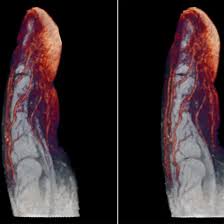
MRI Screening of Middle Finger
Medifyhome has collaborated with the best pathology laboratories that are NABL and NABH certified and follow ISO safety guidelines to provide the best MRI Screening of Middle Finger at an affordable price for needy individuals. MRI is an effective, non-interventionist diagnostic tool employed in creating internal organ images within the body. An MRI scanner utilises strong magnetic fields and radio waves to scan the bones, muscles, ligaments, tendons and soft tissues to help diagnose several illnesses.
A MRI test of the middle finger is a limited examination which aims to assess the condition of the bones, the joints, the tendons and other soft tissues of the middle finger and of the hand. This imaging modality is crucial when diagnosing different conditions like fractures, ligament injuries, arthritis, infections, and tumor. It may be for a traumatic injury or even pain, an unknown and unexplainable medical condition that can significantly improve your doctor’s treatment plans if he has your MRI results. To schedule an appointment for MRI Screening of Middle Finger, simply contact Medifyhome or call our customer care at +919100907036 or +919100907622 for more details and queries.
Overview
Specification
FAQ
Overview
Indications for MRI Screening of the Middle Finger
There are indications when an MRI of the middle finger is necessary: pain, inflammation or other symptoms suggesting a particular problem. This technique enables the doctors to get detailed x-ray pictures of the bones, joint, cartilage, tendons, ligaments and other related soft tissues which can be used to diagnose causes of pain or dysfunction. Here are some common indications for an MRI of the middle finger:
- Persistent Pain or Swelling
Persistent pain, swelling or tenderness of the middle finger may need the use of MRI to determine the cause of the problem.
- Finger Fracture or Dislocation
Fractures: An MRI may reveal fractures missed on an X-Ray particularly when the fracture is a stress fracture or a crack within the bones of the finger.
Dislocations: MRI can indicate the severity of the joint and the soft tissues damage if the finger has been dislocated.
- Soft Tissue Injuries
Ligament and Tendon Tears: MRI is very helpful in cases which demonstrates the area of the shoulder that had been affected and the damage in the ligaments and tendons of the finger particularly the collateral ligaments, flexor tendons or extensor tendons .
Sprains: – In finger ACL repair it was found that MRI can assist in evaluating the level of finger injury and whether there is any damage to the other soft structures.
- Arthritis and Joint Disorders
Osteoarthritis: MRI of the fingers is used to detect problems that might signify arthritis including joint space narrowing, cartilage loss and joint inflammation.
Rheumatoid Arthritis: Joint inflammation such as that seen in rheumatoid arthritis may involve the small joints of the fingers. MRI is useful in discerning the extent of joint changes, inflammation, or synovitis and presence and amount of synovial fluid.
Joint Effusion: MRI can also reveal problems associated with the equal accumulation of fluids in different joints due to inflammation or injury.
- Infections
Bone and Soft Tissue Infections: MRI is also useful for detecting infection involving the bones, i.e. osteomyelitis or soft tissues like abscess or cellulitis by observing oedema or other changes in soft tissues.
Benefits of MRI for the Middle Finger
MRI stands for Magnetic Resonance Imaging. As such, MRI is a great benefit in diagnosing various diseases affecting the bones, the joints, the tendons, and the soft tissues of the middle finger. For instance, some benefits accrued from having to select an MRI because of problems associated with the middle finger are as follows:
- Non-invasive and Safe
No Surgery or Invasive Procedure: MRI is a non-invasive procedure that does not require any kind of incision or invasive procedures, thereby making it the safest and most comfortable diagnosis of conditions of the middle finger.
No Radiation Exposure: Unlike X-rays and CT scans, MRI does not use ionizing radiation; hence, it makes a safer option for multiple scanning and ideal for those who may require repeated scans.
- High-Resolution Detailed Images It gives a very good view of soft tissues including tendons, ligaments, muscles, and cartilage. They are very useful in making diagnoses for injuries such as tear in the tendon, sprain in the ligament, or arthritis in the soft tissue structure at the finger.
Evaluation of Bone and Joint: MRI would yield detailed images that may suggest a fracture, abnormality in bone marrow, or joint degeneration, among others.
Early Diagnosis: MRI is very sensitive, so it may be able to discover slight conditions when their situation has just begun without having to reach the visibility of an X-ray. One is now able to identify minute arthritis signs, some kind of inflammation or soft tissue injury in time and thus get early interventions for effective treatments.
- Holistic Treatment
The uniqueness of MRI lies in visualizing both bone and soft tissue structures, which therefore provides very comprehensive views regarding the anatomy of the middle finger. It can therefore evaluate all bones and soft tissues and even enable healthcare providers to make very accurate diagnoses concerning conditions involving multiple types of tissue simultaneously.
Detection of Hidden Injuries: Some conditions include stress fractures, tear of the tendon, or compression of nerves that would not be detected by an X-ray. MRI diagnoses such hidden injuries or abnormalities for further correct diagnosis.
- Most Cases Do Not Require Contrast
Efficient Imaging: Contrast agents are used in many MRIs to make images look clearer. However, the middle finger MRI can be done without contrast as injections can sometimes be harmful with possible side effects. Most cases of contrast being needed do not have major risks associated and give better views of targeted tissues.
- Capable of Observing the Course of the Disease or Healing
Follow-up and Treatment Monitoring: MRI is also very useful in monitoring changes in conditions from one point in time to another. It can monitor fracture healing, arthritis progress, or success of treatment like physical therapy or medication.
Pre-surgical Preparation: If an injury or condition calls for surgery, MRI will assist surgeons with adequate information to safely carry out the surgery.
How the MRI Procedure Works?
An MRI of the middle finger is a non-invasive procedure that is straightforward in nature and uses magnetic fields and radio waves to produce images of the internal structures. Here’s a step-by-step guide to understanding how the MRI procedure works for the middle finger:
- Preparation for the MRI
- Clothing and Metal Removal: You will be asked to remove any metal objects, such as jewelry, watches, or piercings, before you go into the MRI machine because metal interferes with the magnetic field. You may be asked to change into a hospital gown to make sure there is no metal in your clothing.
- Medical History Review: The MRI technician or doctor will ask about any medical conditions you may have, especially if you have metal implants, pacemakers, or other medical devices. These items may affect the safety of the MRI process.
- During the MRI
- Positioning the Finger: As soon as you enter the MRI room, the technician will place your hand and middle finger on a padded table. They will ask you to remain still during the scan, as even slight movements can blur the images.
- You will be asked to lie down or sit next to the MRI machine and your hand with the middle finger placed into the opening of the machine. The MRI machine is a large, cylindrical magnet, but your hand will usually remain outside the machine while your arm or finger is positioned within the scanner.
- The Scanning Process: The MRI machine will produce some loud tapping or buzzing as it takes images. That is completely normal, and those sounds are produced by the magnetic field and radio waves as they create the images. The procedure usually takes anywhere from 30 to 60 minutes, depending upon how complex the scan will be.
- Remaining Motionless: Be as motionless as possible during the scan so the images taken will be of good quality. If you find it hard to stay still, or are anxious, notify the technician; they might be able to help relax you or organize an open MRI if claustrophobic is the problem.
- Communication with the Technician: You will be able to communicate with the MRI technician during the scan via a speaker or microphone in case you need something. If you feel pain or need a break, you can request the technician to stop the procedure and sort out your needs.
Specification
- Test Type: MRI Screening of Middle Finger
- Preparation:
- Wear a loose-fitting cloth
- Fasting not required
- Carry Your ID Proof
- Prescription is mandatory for patients with a doctor’s sign, stamp, with DMC/HMC number; as per PC-PNDT Act
- Reports Time: With in 4-6 hours
- Test Price: Rs.2500
FAQ
How to book an appointment for a MRI Screening of Middle Finger?
To schedule an appointment for MRI Screening of Middle Finger, simply contact Medintu or call our customer care at +919100907036 or +919100907622 for more details and queries.
How long does the MRI of the middle finger take?
The MRI procedure usually lasts between 30 to 60 minutes, depending on the complexity of the scan and whether contrast dye is used. The actual scanning time is usually around 15-30 minutes, with additional time for preparation and positioning.
Is the MRI procedure painful?
The actual MRI is painless; however, you may suffer discomfort from having to sit or lie still during this procedure, or if a position in your finger or hand has to be assumed that is uncomfortable for your body. If contrast dyes are given during an MRI, you may sense warmth or a metallic aftertaste in your mouth, but this is also not painful.
Do I need to prepare for my MRI of my middle finger?
Before the MRI, you will be asked to remove all metal objects, including jewelry, watches, and piercings. Metal interferes with the MRI machine. You may also be asked to change into a hospital gown. There is no special diet or fasting for this procedure unless otherwise instructed by your doctor.
Will I be given contrast dye during the MRI?
Contrast dye is not always needed. It is usually given if the doctor is looking for specific issues like inflammation, infection, or tumors. If you need contrast, it will be injected into a vein in your arm before the scan. Your doctor will tell you if this is required.
Is MRI safe for everyone?
MRI is safe for most patients except for some specific conditions with implants or devices. The list includes people who have pacemakers, cochlear implants, and others of certain types of metal implants. Tell the MRI technologist of any metal in your body before undergoing an MRI scan. Pregnant women are advised to consult their doctors beforehand, especially in the first trimester. While considered safe during pregnancy if there is a medical necessity.
What if I get claustrophobic in the MRI?
If you are afraid of being closed in or anxious about being in the MRI machine, let the technician know ahead of time. They can provide strategies to help you relax or even offer a sedative if needed. Some MRI facilities also offer open MRI machines, which have a larger opening and can reduce feelings of claustrophobia.
Is MRI capable of identifying any fracture or pathology in the middle finger?
MRI is particularly efficient at revealing a plethora of pathologies, ranging from simple fracture and ligamentous injury, all through to arthritis and damage of soft tissue and even infection. MRI often does not spot minute or not well defined fractures, specifically complicated injuries. If you continue to remain inconclusive on your doctor’s behalf then they would ask you for additional investigations.
How soon will my result come out?
After your MRI, your image will be reviewed by the radiologist. Typically your doctor will receive these in 24 to 48 hours. Then you have the follow-up appointment with your doctor over the findings and any treatments that will be conducted regarding your case.
Why Choose Medifyhome for MRI Screening of Middle Finger?
Medifyhome is an online medical consultant, which offers home services not only in your city but also in all major cities of India, such as Hyderabad, Chennai, Mumbai, Kolkata and others. This makes it easy for us to work with diagnostic centers that boast of having the most accurate equipment. The customer service for booking the appointment of the services is available 24/7 and Medifyhome also comes with instructions. Medifyhome has not only the best diagnostic centres, but it offers them at very cheaper prices. If you have been tested, you can promptly schedule an appointment with a health care service through our list of skilled physicians. For appointment for MRI Screening of Middle Finger, you can chat with us through Medifyhome or call our customer care at 919100907036 or 919100907622 for more information or inquiries.