
National Vaccination Day in India: Importance of Vaccines for Children and Adults | Medifyhome
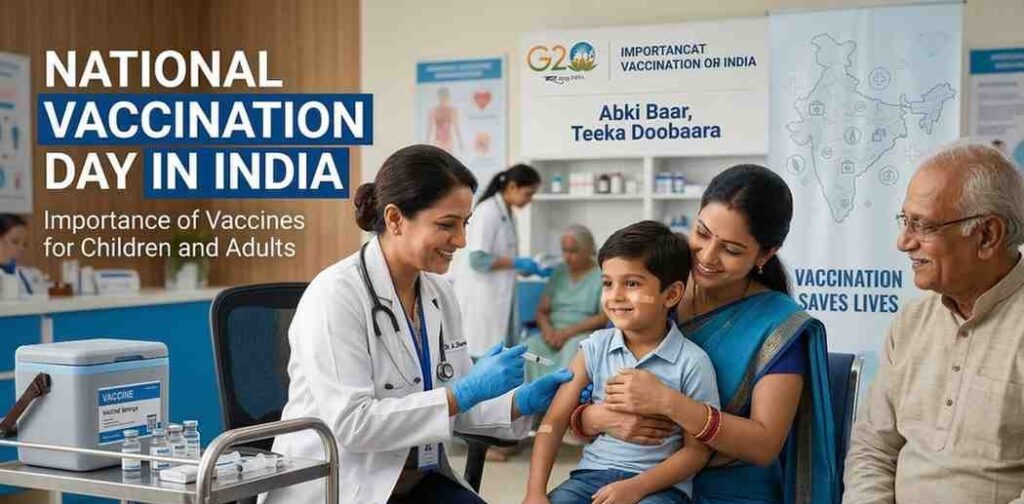
Table of Contents
Introduction to National Vaccination Day in India
In India, the National Vaccination Day, held on the 16th of March every year, demonstrates the value of vaccines in the prevention of life-threatening infections in people. The day marks the opening of the national Pulse Polio Immunization Programme, an event in the history of the country about public health, which has contributed significantly to eradicating polio in the country. Since that time, the National Vaccination Day has come to be a significant event to create awareness on the significance of vaccination, Immunization campaigns, and prophylaxis of diseases in India.
Vaccinating is among the most efficient and safest methods of safeguarding people and groups against vaccine-preventable illnesses like polio, measles, hepatitis B, tuberculosis, and diphtheria. Vaccines are used to boost immunity and also stop the contraction of infections by immunising children and adults on time. In India, there are national health initiatives like the Universal Immunization Programme (UIP) that have ensured that annually, millions of children and pregnant women are vaccinated against essential diseases.
National Vaccination Day is also used to remind that it is not only children who need to be vaccinated, but even adults, particularly the elderly or the sick. This day has brought public awareness regarding the benefits of vaccines, childhood vaccination, and adult vaccination, which makes families adhere to the recommended vaccination schedule in India.
In the end, the National Vaccination Day is important in enhancing awareness of health and making sure that all citizens of the country are made aware of the need for vaccines in achieving a disease-free and healthier India.
What is National Vaccination Day (NVD)?
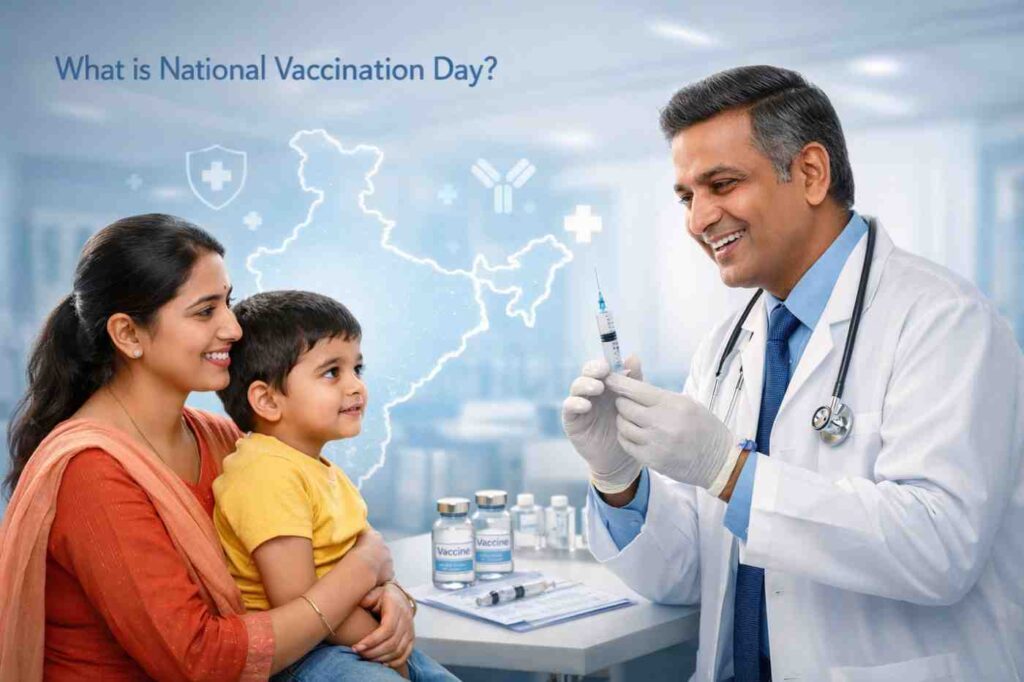
Every March 16, India celebrates National Vaccination Day (NVD) to sensitize people on the need to vaccinate and immunize against infectious diseases. This notable public health event draws attention to the fact that vaccines are protecting individuals of all ages, including, but not limited to, infants and children, adults, and the elderly, against severe vaccine-preventable illnesses.
It honors the introduction of the Pulse Polio Immunization Programme in India in 1995, which has been one of the most successful health initiatives in the country to eradicate polio. This is a very contagious disease that may lead to lifelong paralysis. Through the mass vaccination campaigns and the substantial government effort, India was finally declared polio-free in 2014, which is a significant milestone in terms of public health success in the country.
National Vaccination Day also fosters information on the need to adhere to the Immunization timetable in India. It encourages families to aim at ensuring children receive all the suggested vaccines in due time. The government has implemented programs like the Universal Immunization Programme (UIP) that have made basic vaccines against diseases like measles, tuberculosis, hepatitis B, diphtheria, and tetanus available, among others.
In general, the National Vaccination Day is a reminder that vaccination can be regarded as one of the most effective and safest preventive measures against diseases, communities, and population health in India. This day will contribute to increased efforts by the country to create a healthier future for all people by encouraging timely Immunization and raising awareness about the benefits of vaccines.
History of National Vaccination Day in India
The history of the National Vaccination Day in India is directly linked with the fact that this country had a great national public health mission to eradicate polio with the help of mass Immunization campaigns. On 16 March 1995, the country-wide Pulse Polio Immunization Programme was inaugurated by the government of India, making it the National Vaccination Day. The Government of India initiated this program to prevent polio, which is a viral disease of high contagion with the potential to paralyse children permanently.
Thousands of children in India were infected with polio every year before this vaccination campaign was introduced. In an attempt to curb the disease, the government, in collaboration with international health organisations, embarked on an extensive Immunization campaign to make sure that all children below the age of five years got oral polio vaccines. The program was one of the biggest public health programs in the world, with health workers driving through cities, villages, and remote areas to administer free vaccinations to children.
Decades of regular vaccination, education, and participation by the people of the country brought about a drastic decrease in the polio cases in the country. Through this, the polio vaccine successively contributed to a historic milestone of polio-free India in 2014, a significant milestone in the battle against vaccine-preventable diseases in India.
The India National Vaccination Day today is not only a commemoration of the success of the Pulse Polio campaign, but also serves as a reminder about the continued relevance of Immunization and childhood vaccination programs, and the significance of disease prevention as well. The day helps people to learn about the need to invest in vaccines, adhere to the suggested vaccination timetable in India, and contribute to the community-based health activities that could help to protect the population against infectious diseases.
The Pulse Polio Campaign and Its Impact
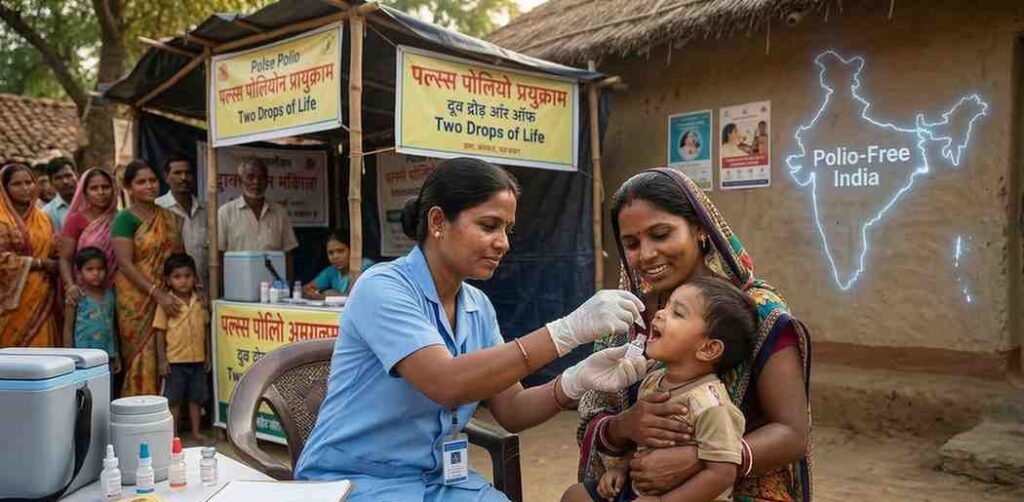
The Pulse Polio Campaign is one of the most important public health programs in the history of India. The campaign was launched by the Government of India in 1995 to eradicate polio, a highly infectious viral disease, mostly in children under the age of five, which may leave them permanently paralysed. The initiative was based on oral polio vaccines (OPV) administration to all children nationwide via massive Immunization campaigns.
Millions of healthcare workers, volunteers, and government officials collaborated under this campaign to arrange nationwide polio Immunization days where the children were administered polio drops at vaccination booths, hospitals, schools, and community centers. There were also door-to-door visits by the health workers to make sure that no child was left behind with the vaccine. Such continuous interventions contributed to the increase in the coverage of childhood Immunization in India, and the spread of poliovirus was greatly decreased.
The Pulse polio campaign has been quite impressive. Considering the vigorous vaccination and excellent awareness of the health of people in India, the cases of polio in India have decreased significantly over the years. In the year 2014, India made a historic step as the country was officially declared polio-free by the World Health Organisation. This was a success that proved the effectiveness of mass vaccination and Immunization programs in the control and eradication of fatal diseases.
The Pulse Polio Campaign has been successful today, and that has remained an inspiration to other vaccination and Immunization campaigns in India. It emphasises the significance of getting children vaccinated on time, the involvement of the communities, and the government in the prevention of vaccine-preventable diseases and in enhancing overall health in the population around the country.
Significance of National Vaccination Day in India
National Vaccination Day in India is important to the state as it allows spreading awareness about the need to use immunization programs and vaccination as a means of protecting the population. Celebrated annually on the 16th of March, this day is a reminder to people that vaccines are one of the most promising means of preventing infectious and vaccine-preventable diseases.
The importance of National Vaccination Day is to use immunization as early as possible to prevent the spread of harmful illnesses like polio, measles, tuberculosis, hepatitis B, diphtheria, and tetanus. India has achieved a lot in terms of the control of most life-threatening diseases and improvement of the health of the people through regular vaccination campaigns and national health promotional programs.
The other significance of this day is that families should be advised to adhere to the recommended immunization schedule in India. Other programs like the Universal Immunization Programme (UIP) make sure that necessities like vaccines are made accessible to millions of children and pregnant women nationwide. These are aimed at strengthening the health care system of the country and also to create herd immunity that protects whole communities against disease outbreaks.
The effort of healthcare workers, doctors, nurses, and frontline health volunteers who tirelessly champion the vaccination against the virus in both urban and rural settings is also marked on National Vaccination Day. Their activities make certain that life-saving vaccines get to even the most remote societies.
In general, it is crucial to note that the day is a powerful reminder that vaccination is essential in disease prevention, protection of society, and creation of a healthier future for India. National Vaccination Day helps the country to fight the mission to control and eliminate vaccine-preventable diseases by creating awareness and encouraging time-sensitive Immunization.
What are Vaccines and how do they work?
Vaccines are biological formulations that protect people against infectious diseases by boosting the immune system. They have attenuated, killed, or non-toxic components of a virus or bacterium that assist the body in recognizing the disease and combating it without any severe disease. One of the most efficient ways of disease prevention and immunization is vaccination, which allows millions of people to remain safe against harmful infections.
When an individual is vaccinated, the immune system reacts and produces antibodies that target the disease-causing organism specifically. These antibodies assist the body in remembering the infection. In case the individual is infected again by the same virus or bacteria, the body can fight it immediately. This is referred to as the process of immunization, and it offers long-term immunity against most of the vaccine-preventable illnesses.
The most popular vaccines are against such severe diseases as polio, measles, hepatitis B, tuberculosis, diphtheria, tetanus, and influenza. Immunization is achieved through national health programs, such as the **Universal Immunization Programme in India – each year, millions of children and adults are vaccinated against infectious diseases to enhance health and reduce the transmission of infectious diseases among people.
All in all, the mechanism of vaccination is the ability of the vaccine to prepare the immune system in a safe manner to protect the organism against dangerous pathogens. Adhering to the suggested vaccination timeline in India and providing the relevant timeliness and frequency of childhood immunization and adult vaccination, people will keep themselves safe and contribute to the prevention of disease spreading in their communities.
Why Vaccination Is Important for Public Health?
Vaccination is vital in safeguarding the health of the citizens in the event of transmission of harmful infectious illnesses. Vaccines play a role in controlling and eradicating most of the diseases that are caused by vaccines and which caused rampant diseases and deaths in the past. Vaccination helps in terms of protecting communities because it helps in the prevention of outbreaks and safeguards individuals by developing immunity.
Among the chief reasons why vaccination matters is the fact that people are safeguarded against severe diseases like polio, measles, hepatitis B, tuberculosis, diphtheria, and tetanus. Unless treated, these diseases may cause serious complications, long-term disability, or even death. Immunization of children and adults is timely, which strengthens the immune system and provides long-term immunity to such infections.
Making vaccination also helps in community-level disease prevention. When vaccines are administered to a larger number of people, the spread of infectious diseases is curtailed. This is in a bid to protect vulnerable people such as young babies, older adults, and those whose immune system may be weak and may not be able to fend off some vaccinations. In nations such as India, a program such as the Universal Immunization Programme (UIP) can be significant in increasing the coverage of access to essential vaccines. Through these programs, millions of children and pregnant women can obtain life-saving vaccinations every year, which improves the overall health conditions and lowers the healthcare load.
In general, immunization is one of the pillars of population health and disease prevention. By promoting prompt immunization and awareness of the significance of immunization, societies will be able to overcome the transmission of infectious diseases and produce healthier and safer communities in the future.
What Is Herd Immunity and Why Does It Matter?
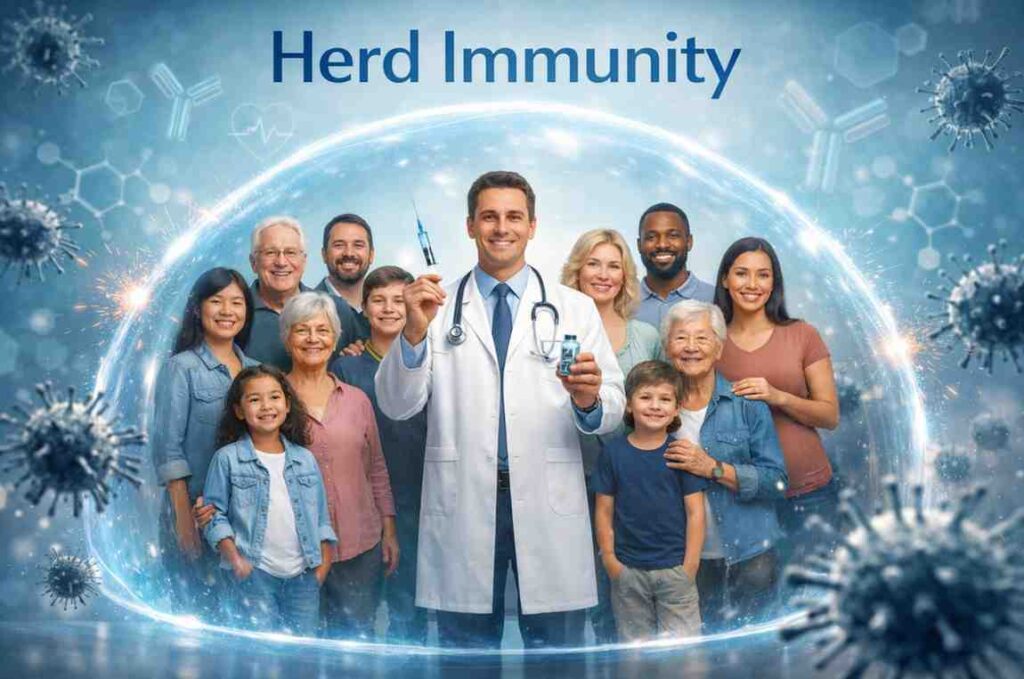
Herd immunity is a type of immunity that results when a high proportion of a group of people becomes resistant to a disease, which is primarily due to vaccination or prior infection. Whenever a large number of individuals get vaccinated, the transmission of infectious diseases becomes relatively slow, and it will be hard for viruses or bacteria to spread between individuals. This community-based prevention is useful to minimize the risk of the general disease outbreak.
The effectiveness of herd immunity, in particular, is that of safeguarding people unable to undergo specific vaccinations, e.g., the babies who have recently been born, the elderly, pregnant women, or those with compromised immunity. A high percentage of the population receiving the recommended schedule of vaccinations indirectly defends these vulnerable populations against vaccine-preventable diseases.
The vaccination programs are important in the establishment of herd immunity. Some of these massive programs include the Universal Immunization Programme in India, which has attempted to boost the immunization coverage with the aim of ensuring more individuals develop immunity against some of these diseases, such as measles, polio, diphtheria, and hepatitis B. The possibility of transmitting a disease reduces as more people are vaccinated, resulting in healthier societies.
The herd immunity has played a significant role in the control and even eradication of some diseases. India is polio-free now, which can be seen as an example of how a large-scale polio vaccination program can make this possible. This victory shows that well-built immunization campaigns can both protect individuals and whole populations.
Overall, herd immunity underlines the importance of vaccination in society. Through a significant percentage of the population being vaccinated, communities will be able to avoid the transmission of infectious diseases as well as shield the most vulnerable members of the population.
Importance of Vaccination for Children
Vaccination is important in ensuring the health of children is safeguarded against numerous potential illnesses, and even life-threatening ones. The immune system of a child is still immature during the early years of life, hence it predisposes the child to infections. Childhood Immunization Aids in building the immune system and helps to protect against various diseases that are vaccine-preventable, including polio, measles, hepatitis B, tuberculosis, diphtheria, and tetanus.
Among the key factors explaining why vaccination of children is essential is the fact that it safeguards them at the most critical periods of development and maturation. Vaccines operate by helping the body to become familiar with harmful bacteria and viruses and be ready to fight them before they cause serious disease. Through the advised Immunization schedule in India, parents will have the ability to ensure that their children are vaccinated at the appropriate place and the appropriate time to ensure maximum coverage.
Vaccination is also vital in minimising child mortality as well as enhancing the general health of the population. Mass campaigns like the **Universal Immunization Programme (UIP) include essential vaccinations for millions of children in India annually. These programs are effective in avoiding the contagion of infectious diseases and ensuring that children grow stronger and healthier.
One more significant advantage of childhood vaccination is that it leads to the concept of herd immunity, which helps communities to avoid disease outbreaks. Immunization of a majority of the children in a community reduces the risk of passing infections to those who are not vaccinated and those who are vaccinated.
Overall, timely childhood vaccination is among the most effective interventions to protect children against severe diseases, minimise the occurrence of epidemic diseases, and facilitate healthy growth. Full Immunization is not only beneficial to the health of a particular child, but it also enhances the health and well-being of the whole community.
Why Vaccination Is Important for Adults?
Vaccination is regarded as something that is mostly related to children, and adult vaccination is equally relevant in terms of preserving health in the long term and preventing the transgression of infectious diseases. The immunity that people developed during childhood vaccinations may weaken as people grow older. Vaccination of adults assists in the strengthening of the immune system and offers sustained prevention against vaccine-preventable illnesses.
Adults can contract many serious diseases like influenza, hepatitis B, tetanus, shingles, and COVID-19, and have serious health complications, particularly in cases of underlying medical conditions. Receiving prescribed adult vaccines, one will be able to minimise their exposure to the risk of infection, as well as protect against potentially life-threatening diseases.
The other key reason why adults should be immunised is to protect vulnerable members of society. Vaccinated adults are also less likely to transmit the diseases to infants, older people, and individuals with a weakened immune system. This is part of herd immunity, which is used to alleviate the spread of diseases among communities.
Some vaccines are recommended by healthcare experts for adults, depending on age, lifestyle, travel, or health issues. Examples include tetanus booster shots, annual flu shots, and vaccinations for diseases like hepatitis B and HPV, which are usually recommended to adults. Such Immunizations assist in ensuring high immunity levels and in the overall health of the population.
In general, vaccination among adults is a critical component of preventive healthcare. Vaccination against the recommended vaccines not only protects individuals against infectious diseases but also enables the community to be healthy and helps to reduce the load on medical care.
Vaccines for Special Groups (Pregnant Women, Elderly, High-Risk Individuals)
There are specific groups of people who demand particular care regarding vaccination and Immunization because they might be susceptible to infections and complications. Timely vaccination is very beneficial to pregnant women, the elderly, and individuals with high-risk medical conditions since their health, as well as that of the people who surround them, is protected.
One of the reasons why vaccination in pregnancy is important is that it ensures that the mother and the baby are not exposed to severe infections. Some vaccines, like the tetanus vaccine and the influenza vaccine, are usually given to pregnant women to prevent any complications during pregnancy and delivery. The vaccines also assist in transmitting protective antibodies to the baby, and this provides early protection once the baby is born.
In the case of older people, the immune system is naturally weaker compared to that of the younger generation, and older adults can be affected by infections more easily. Flu vaccines, pneumococcal vaccines, shingles vaccines, and COVID-19 vaccines are mostly recommended for the prevention of severe health conditions and hospitalisation of the elderly. Frequent vaccination also helps keep the elderly in good health and reduces the risk of health complications resulting from the diseases they might be exposed to.
Individuals whose health conditions are at high risk (diabetes, heart disease, respiratory diseases, and weakened immunity) should have the appropriate Immunization, as well. Vaccination can also provide significant opportunities to avoid severe infections and enhance the health conditions of such people in general. Medical personnel tend to prescribe particular schedules of adult vaccination on the basis of risk factors, as well as the medical condition of a person.
The vaccination of special groups is a crucial aspect of disease prevention and the provision of proper vaccination. These vulnerable groups can get the necessary protection against a large number of vaccine-preventable diseases by listening to medical recommendations and keeping abreast of the recommended vaccines.
National Immunization Schedule in India
National Immunization Schedule in India, the National Immunization Schedule is the recommended scheme by the government of India, which details the time children, pregnant women, and other high-risk populations should have particular vaccinations. This is a timeline that is meant to provide an appropriate vaccination and immunization against various serious vaccine-preventable diseases. It is vital in safeguarding the health of a population and decreasing childhood diseases in the nation.
India In India, under national health programs, there is the Universal Immunization Programme (UIP), which provides vaccines as one of the largest open health programs in the globe. The program makes sure that the necessary vaccines are given free of charge at the government hospitals, primary health centers, and vaccination clinics. Such vaccines prevent polio, tuberculosis, measles, hepatitis B, diphtheria, pertussis (whooping cough), and tetanus in children.
The vaccination program starts at birth and goes on until infancy and early childhood. Indicatively, after birth, the babies are vaccinated against tuberculosis disease (BCG), oral polio vaccine, and hepatitis B vaccine. With the development of the child, the dosage and boost shots are administered at a certain age to enhance immunity and provide long-term protection.
The national immunization schedule also includes pregnant women in order to protect the baby and the mother. Tetanus toxoid (TT) or Td vaccines are examples of vaccines that prevent perinatal infections that pose a threat to newborns.
Adherence to the immunization schedule in India is vital in terms of full immunity against infectious diseases. Vaccination is not only the most reliable way to protect the health of individuals but also to curb the spread of disease in communities, with the purpose of strengthening the overall population health and disease prevention in the country.
Universal Immunization Programme (UIP) in India
Universal Immunization Programme (UIP) in India is among the largest public health immunization programs in the world. The program was initiated by the Government of India in 1985, and it is meant to offer free vaccination and immunization to millions of children and pregnant women all over the nation. The main aim of the UIP is to ensure that the population is safeguarded against a variety of vaccine-preventable diseases and to enhance the general health of the population.
India has one of the largest immunization programs in the world through the Universal Immunization Programme, which provides vaccines to millions of children every year. Under the Universal Immunization Programme, the essential vaccines are offered at government hospitals, primary health centers, community health centers, and outreach programs at both rural and urban locations. The program is predominantly oriented to childhood immunization, where infants and small children are being immunized with life-saving vaccines as per the National Immunization Schedule in India. The pregnant women also form part of the program so that the mothers and the newborns can be safeguarded against some avoidable infections.
The UIP finances vaccines against some severe illnesses like tuberculosis, polio, diphtheria, pertussis (whooping cough), tetanus, hepatitis B, measles, rubella, and Japanese encephalitis in some countries. The program of free provision of these vaccines contributes to the growth of vaccination coverage in India and decreases the number of infectious disease loads.
The Universal Immunization Programme has contributed to some of the most significant public health milestones in recent years, such as eradicating polio in India and reducing other diseases like measles and neonatal tetanus by a large margin. The program also collaborates with awareness efforts and special immunization campaigns to access underserved and distant communities of children.
In general, the Universal Immunization Programme in India is an essential aspect of the country’s healthcare system. The program has helped to save the lives of millions of people and empower India in combating vaccine-preventable diseases by increasing access to vaccines and ensuring timely immunization.
Government Vaccination Programs in India
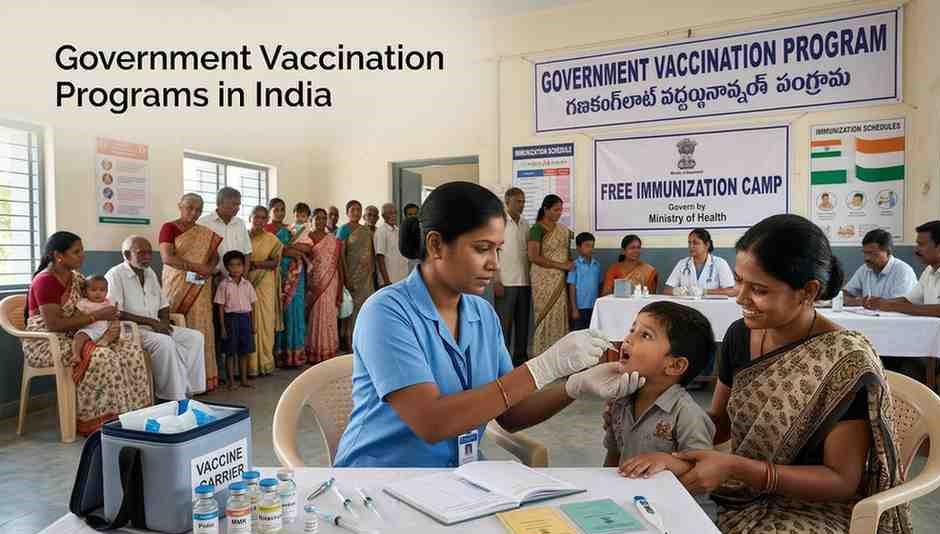
India has several government vaccination programs that are aimed at enhancing immunization, preventing infectious diseases, and improving population health. These programs hold the provision of necessary vaccines to the children, pregnant women, and vulnerable populations within the nation.
Universal Immunization Programme (UIP): It is one of the largest immunization programs in the world through which children and expectant women receive free vaccines against most vaccine-preventable illnesses.
Pulse Polio Immunization Programme: This is a nationwide initiative that was started to eradicate polio by the administration of oral polio vaccines to all children under 5 years of age.
Mission Indradhanush: A special immunization initiative initiated to improve immunization coverage in India and cover children who had missed routine immunizations.
Intensified Mission Indradhanush (IMI): An improvement of the Mission Indradhanush that strived to reach higher vaccination coverage in the low-performing districts and remote areas.
Routine Immunization Program: Schedule of regular vaccination by government hospitals and health centers, and during the outreach program, depending on the National Immunization Schedule in India.
COVID-19 Vaccination Program: This is a massive national campaign that offered vaccinations to safeguard individuals against COVID-19, including adults, the elderly, and vulnerable populations.
These state projects are critical in the creation of awareness on vaccination, disease prevention, and protection of health among the Indians.
Common Vaccine-Preventable Diseases
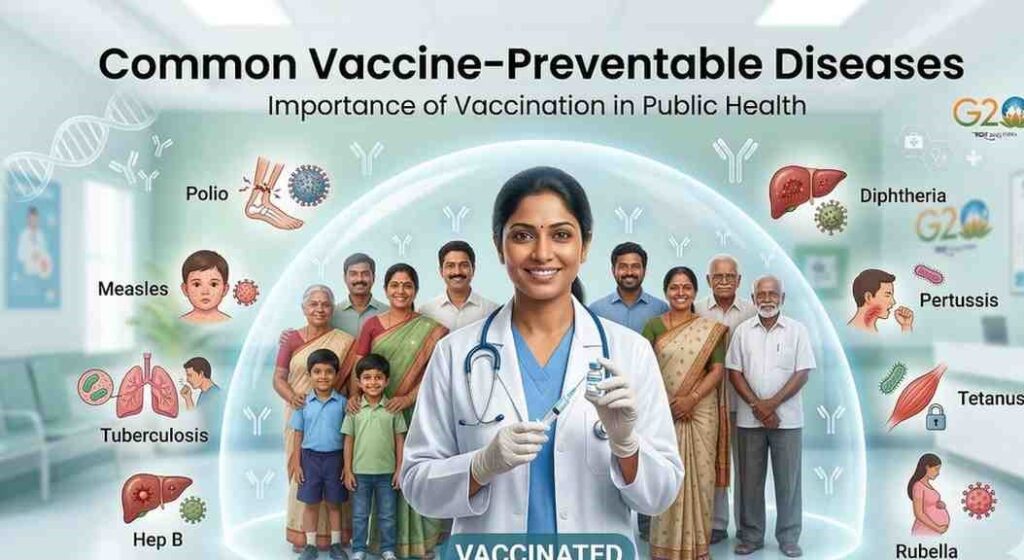
Immunizations are extremely important in helping individuals prevent numerous severe and life-threatening infections. These are referred to as vaccine-preventable diseases, which can be mobilised or prevented successfully by acting on time through vaccination and immunization.
Most of them have reduced dramatically in India and across the globe through national health programs and regular vaccination programs.
Some of the most prevalent vaccine-preventable diseases are listed below:
Polio: A viral disease with a high level of contagion that is capable of causing paralysis and lifelong disability. Extensive use of polio vaccination made India polio-free.
Measles: This is a severe viral disease that is easily transmitted among children and has complications, in that it can cause pneumonia and inflammation of the brain.
Tuberculosis (TB): An infection caused by bacteria that can chiefly affect the lungs. The BCG vaccine is used to prevent severe cases of tuberculosis in infants.
Hepatitis B: This is a viral disease that infects the liver and may cause chronic liver disease or liver cancer. The Hepatitis B vaccine is long-term.
Diphtheria: This is a bacterium that infects the throat and is capable of preventing breathing if left untreated. Its transmission is prevented by vaccination.
Pertussis ( Whooping Cough): This is a very infectious disease of the respiratory system, which results in severe coughing and is very harmful to infants.
Tetanus: This is a severe form of bacterial infection that leads to painful stiffness of the muscles, and it may turn out to be fatal unless it is properly vaccinated.
Rubella: This disease is also called German measles, and it may lead to serious congenital disabilities if the pregnant woman contracts the infection.
These vaccine-preventable diseases emphasize the need to adhere to the suggested immunization program in India. Early vaccination can protect people, minimize the spread of diseases, and enhance the health of the population and the prevention of diseases in general.
Benefits of Vaccination for Individuals and Communities
- Prevents Serious Diseases: Vaccination helps people to be safeguarded against harmful vaccine-preventable infections like polio, measles, hepatitis B, and tuberculosis.
- Makes the Immune System Stronger: Vaccines help the immune system recognize and eliminate harmful viruses and bacteria.
- Minimizes the Threat of Disease Epidemics: Good immunization levels serve to control the epidemics of diseases in communities.
- Protects Adults and Children: Vaccinating both children and adults helps to protect them against numerous pathologies that can be deadly in the long term.
- Encourages Herd Immunity: When a significant percentage of the population is vaccinated, it offers indirect protection to the most vulnerable population groups, i.e., infants and older people.
- Minimizes Hospitalization and Medical Costs: Vaccination decreases the incidence of severe infections, saving the healthcare costs of people and their families.
- Defends against weakened immunity: Vaccines protect individuals with impaired immunity who are prone to infections.
- Favors Healthy Development in Children: Vaccination in childhood helps to protect children at early stages of their development as well as to avoid long-term complications in health.
- Extends Life Shortens: Vast vaccination has greatly decreased the death rate and raised the average life expectancy across the globe.
- Prevention of the Spread of Infectious Diseases: The use of vaccines would prevent infection of infectious diseases in educational institutions, work environments, and communities.
- Assist in eradicating some diseases: Vaccination campaigns have helped in the eradication or containment of diseases like polio in most countries.
- Preservation of Future Generations: When vaccination rates are high, it prevents the re-emergence of some diseases that have previously been managed.
- Improves Public Health Systems: National immunization efforts contribute to the improvement of healthcare infrastructure and surveillance of diseases.
- Promotes Community Health Awareness: Vaccination campaigns raise awareness in relation to preventive healthcare and immunization.
Guarantees Safer Communities: Communities are safer and healthier when the vast majority adheres to the recommended plan of vaccinations.
Risks of Missing or Delaying Vaccinations
Late or not receiving recommended vaccines may put a person at a higher risk of contracting severe vaccine-preventable illnesses. The vaccination programs are well planned to cover the individuals, especially the infants and young children, at what are regarded as the most vulnerable points in their lives in relation to infections. In case of late or missing vaccines, the body can have no protection against dangerous viruses and bacteria.
Among the most significant risks that lack vaccination can lead to are the higher risk of infection by such infectious diseases as measles, polio, hepatitis B, diphtheria, and pertussis (whooping cough). Such diseases are contagious and can cause serious complications in communities, hospitalization, or permanent illness. The suggested immunization schedule in India serves to guarantee protection against these diseases in a timely manner.
The postponement of vaccines may also reduce the protection of communities, commonly known as herd immunity. The unvaccinated population exposes vulnerable populations (infants, old elderly, and those with weakened immunity) to higher risks of exposure to diseases in case of an outbreak.
The other issue is that due to the failure of children to receive the needed vaccinations on time, they might have to visit the doctor more often or take catch-up injections in the future. That may complicate the immunization process and expose them to a longer time without the necessary protection. Early childhood immunization is thus critical to a healthy immunity in early life.
In general, one of the most effective methods of preventing infectious diseases among individuals and communities is to keep abreast of the recommended vaccination and immunization programs. Vaccines have to be administered at the appropriate time to ensure good immunity and promote the good health of people, and prevent diseases.
Common Myths and Facts About Vaccines
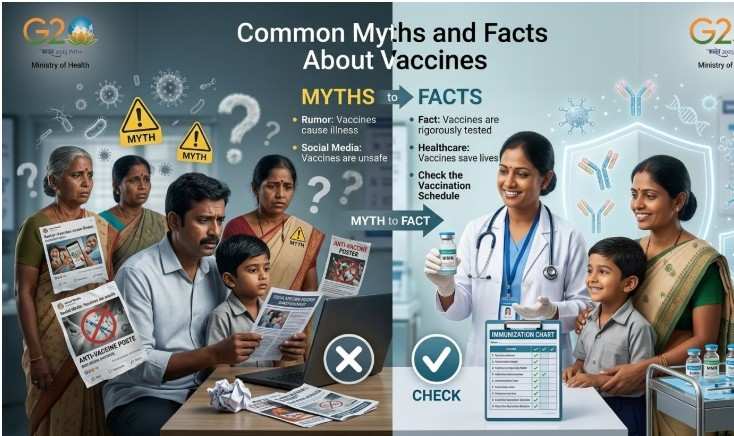
Although the advantages of vaccination and immunization are proven, misinterpretations that cause some misunderstandings and reluctance towards them still exist. It is significant to be aware of the distinction between myths and scientific facts to make sure people make responsible choices on the matter of vaccinating children and adults. Health specialists and international health agencies are always reiterating the fact that vaccines are safe, effective, and needed to prevent vaccine-preventable diseases.
Myth 1: Vaccines are unsafe and can cause severe illnesses.
Fact: Vaccines are rigorously tested and monitored in relation to their clinical safety before approval. They are carefully tested by the health authorities to confirm that they are safe and effective for use by the people.
Myth 2: The vaccine immunity is inferior to natural immunity.
Fact: As much as natural infection may result in immunity, it may cause severe illness or complications. Vaccines offer immunity without subjecting one to the risk of the illness.
Myth 3: Children only need vaccinations.
Fact: Vaccination refers to the importance of vaccination for people of all ages. Vaccination in adults serves to preserve immunity and prevent such diseases as influenza, hepatitis B, tetanus, and COVID-19.
Myth 4: Vaccines are the cause of the disease that they are supposed to prevent.
Fact: The majority of the vaccines have weakened or dead components of a bacterium or a virus. These elements are not known to cause the disease but aid the immune system to learn how to combat it.
Myth 5: In case a disease has become rare, it does not require vaccination.
Fact: Vaccination should be continued until the diseases become rare. In case of a decrease in the rates of vaccination, infectious diseases are likely to re-emerge and spread in societies.
Myth 6: Vaccinations lead to long-term medical issues.
Fact: Numerous scientific studies indicate that vaccines are safe, side effects are very low, and serious cases are quite scarce. The side effects are mostly mild, including temporary soreness and mild fever.
Myth 7: An overabundance of vaccinations can suppress the immune system.
Fact: The immune system can react against a great number of antigens simultaneously. The suggested immunization schedule is well calculated by the specialists to offer safe and efficient coverage.
Through these usual myths and the provision of correct information, healthcare providers and public health campaigns are able to make people realize the real value of vaccination. Each community must be made aware of the vaccine’s safety and efficacy; thus, more people will be encouraged to think about taking up the recommended vaccine regimen in India, which will ultimately benefit the health of the community.
Role of Government and Healthcare Providers in Promoting Vaccination
Government and health care providers have a significant role in spreading vaccination and immunization in the country. The joint actions of their collaboration aid in making sure that vaccines are affordable, secure, and accepted by the population. They strive to defend communities against vaccine-preventable diseases and overall enhance the health of the population through the national health policies, awareness campaigns, and vaccinations program.
The government has the role of designing and executing the large-scale immunization programs in which millions of individuals receive their vaccination. Programs like the Universal Immunization Programme (UIP) and Mission Indradhanush are recognized in an attempt to enhance the vaccination coverage and to have children and expectant mothers vaccinated on time. Such programs are also effective in remote and underserved regions because they arrange vaccination campaigns, mobile clinics, and community health campaigns.
Healthcare providers such as doctors, nurses, and community health workers also have a very significant role to play in the education of people on the relevance of vaccination. They provide advice to parents on how they need to be vaccinated against different diseases in India, issues surrounding vaccination safety, and encourage families to get all the necessary vaccinations. The contact that they have with patients makes them gain trust and enhances the acceptance of the vaccines.
The other significant role of healthcare workers is to oversee vaccine safety and keep proper records of vaccinations. Monitoring immunization rates and reporting possible health issues, they assist in enhancing the general trust towards vaccination in the population and guarantee that vaccines are safe enough to date.
Education campaigns in the community, school health, and community outreach initiatives can also play a major role in raising awareness on the effectiveness of vaccines. Such initiatives can influence people to adhere to the prescribed immunization plan and help to achieve the objective of preventing infectious illnesses.
Overall, the cooperation between healthcare providers and the government is necessary to increase the vaccination coverage and manage disease outbreaks and preventative healthcare. Their further actions contribute to safeguarding millions of people and make society healthier.
How to Ensure Complete Vaccination for Your Family?
One of the best methods of ensuring that everyone is safeguarded against vaccine-preventable illnesses is to ensure that the entire family is completely vaccinated. Upon the administration of proper immunization, children, adults, and elderly relatives will be in a better position to prevent severe infections. By being updated and proactive, families would ensure all the recommended vaccines are taken on time.
The initial one is adhering to the prescribed immunization schedule in India. The parents are supposed to consult the health professionals to know the vaccines that the infants, children, teenagers, and adults are supposed to have. Monitoring of vaccination schedules would help to avoid the situation of missing any critical dose in the initial phases of life.
It is also necessary to keep a record of the vaccination or immunization card. This paper assists a family in monitoring the vaccines that have been done and the remaining ones. There are various hospitals and medical facilities where it is possible to find vaccination cards that show the necessary vaccines and booster shots pretty clearly.
The visits to certified vaccination spots, hospitals, or medical professionals will aid in making sure that the members of the family are immunized safely and in time. Health professionals may also give information on other suggested vaccines that may be taken up by adults, pregnant women, or older adults.
There is also a need to keep in touch with government immunization and community vaccination campaigns. Such initiatives, like the Universal Immunization Programme (UIP), have been able to offer all necessary vaccines at no cost in most government-run health care centers, and thus, families have been able to access vaccination services easily.
Family members can be educated on the significance of vaccination, which will make all family members serious about preventive health. In cases where the families are made aware of the benefits of the vaccines, as well as the dangers of not taking the necessary doses, they will be more adherent to the schedule.
The families would be able to ensure full immunization coverage and contribute to better community health and disease prevention by being organized, consulting healthcare professionals, and taking part in national immunization programs.
How National Vaccination Day Promotes Public Health Awareness?
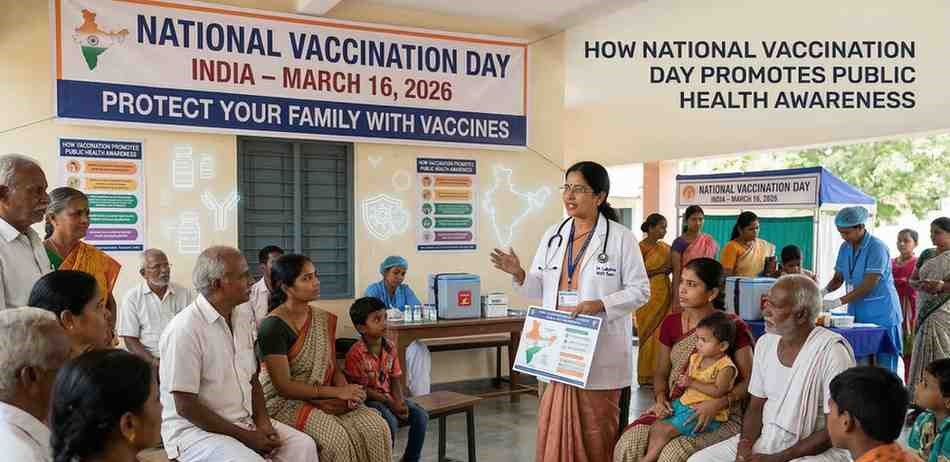
India has a National Vaccination Day, which is on March 16, that helps to raise awareness among the people regarding the need to vaccinate and prevent diseases. The day helps to raise awareness amongst people on the role of vaccines in defending individuals and communities against vaccine-preventable diseases. National Vaccination Day can promote knowledge of citizens about the importance of vaccinating both children and adults promptly through its awareness campaigns and health-related measures.
Public health awareness campaigns organized by the government agencies, healthcare institutions, and community organizations are one of the primary methods of creating awareness on this day. The educational campaigns, social media, health seminars, and outreach activities are the methods of these campaigns to inform people about the significance of vaccinations, the schedule of immunization in India, and the role of vaccinations in the prevention of infectious diseases.
Healthcare practitioners and general health workers also spend this day on vaccination campaigns and community outreach. They go to schools, community centres, and rural places to pass information on childhood immunization, adult vaccination, and existing governmental vaccination programmes. These efforts assist in making sure that the correct information is available to the families, both in urban and rural societies.
The success of India in its immunization programs, including the Universal Immunization Programme (UIP) and the Pulse Polio Campaign, is also being brought to light via National Vaccination Day. Through the demonstration of these successes, the day makes people believe in vaccination programs and engage in the promotion of the health of the population.
All in all, the National Vaccination Day is a valuable tool to spread information about preventive healthcare, the benefits of vaccinations, and disease control. This observance will augment the health systems of communities by educating communities and promoting the practice of timely immunization to ensure the objective of creating a disease-free and healthy India.
Conclusion: Building a Healthier India Through Vaccination
The national vaccination day observed in India on March 16 is an important reminder of the importance of vaccines as a means of immunizing people against vaccine-preventable diseases. The Pulse Polio Campaign has been a success, as have been all other activities under the Universal Immunization Programme (UIP) framework up to now; thus, vaccination has become a pillar of population health in India. These programs have greatly helped to curb the transmission of infectious diseases and have also helped enhance the general health and life expectancy of millions of human beings.
Individuals of all ages need to be vaccinated, as argued in this article. Vaccinating infants and young children on time helps them prevent severe diseases, whereas the immunity of adults allows them to prevent the transmission of the disease at the community level. Strict adherence to the prescribed immunization timeline in India will mean that people will always get the appropriate vaccines at the appropriate time, which will boost the natural immune system.
Immunization is also key in the development of herd immunity, which ensures the protection of the vulnerable population, such as newborn babies, older people, and those with weakened immunity. The higher the number of vaccinated people, the lower the risk of any disease outbreaks, which makes the communities safer and healthier.
At Medifyhome, we reckon that awareness and access to healthcare services are central to the creation of a healthier society. Medifyhome is going to help people and families make informed health choices by encouraging the significance of vaccination, preventive health care, and immunization at the right time. The availability of quality healthcare advice and medical care would assist in making sure that all families remain safe by being adequately vaccinated and monitored for their health status.
Conclusively, vaccination is one of the most potent disease prevention and protection tools for population health. We can be part of a healthier and stronger India with the help of immunization campaigns, keeping up with vaccinations, and creating awareness about the advantages of immunization.
FAQS
Vaccination refers to administering injections into the body to assist the immune system in fighting against harmful viruses and bacteria. It is a necessary tool in the prevention of vaccine-preventable diseases and in safeguarding the health of the population.
Yes, health authorities thoroughly test and monitor vaccines to ensure that they are safe and effective. The majority of the vaccines have mild side effects, such as a mild fever or soreness in the injection site.
The National Immunization Schedule of India recommends the immediate vaccination of a child at birth. Infants are vaccinated against serious infections by early vaccines like BCG, polio, and hepatitis B.
Childhood immunization helps in protecting infants and young children against harmful diseases like measles, polio, tuberculosis, and diphtheria at the most critical time in life.
Yes, vaccination in adults is necessary since immunity against certain childhood vaccinations may fade away with age. Vaccines that adults may need include influenza, tetanus booster, hepatitis B, and COVID-19 vaccinations.
In case of a vaccine dose not taken, a healthcare provider should be seen as soon as possible. To protect themselves, they can prescribe a catch-up schedule to be taken.
Some of the severe illnesses that can lead to serious complications when treated late include polio, measles, hepatitis B, diphtheria, tetanus, pertussis, and tuberculosis, which vaccines have prevented.
The families may seek the help of healthcare professionals, hospitals, or reliable healthcare platforms such as Medifyhome, which can provide information on medical services, preventive healthcare, and health awareness to enhance the well-being of the family.
Following the immunization schedule of the recommended vaccines is the way to be sure that the vaccines will be given at the most appropriate time to offer the most effective protection against the spread of infectious diseases.
Vaccination helps in the development of herd immunity against the disease, which reduces the contagion of the disease and protects the vulnerable members of the community, including the elderly and the young.