Skip to content

 CALL US : +919100907036, +919100907622 

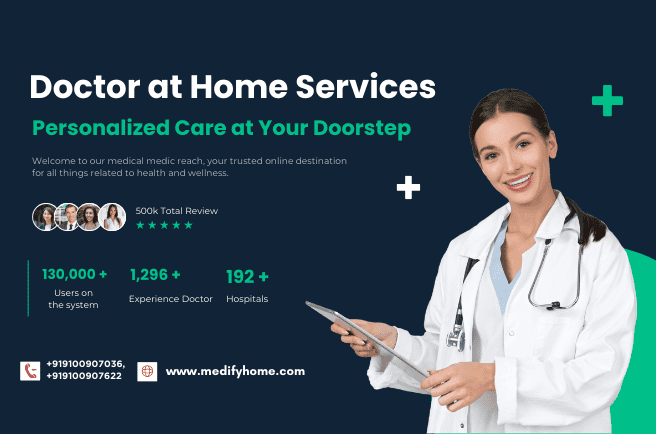
Doctor at Home Services: Personalized Care at Your Doorstep

Doctor at Home Services

Table of Contents

Introduction: The Healthcare Revolution at Your Home

In today’s fast-paced world, finding time to visit a doctor can feel like a major challenge. Long work hours, family duties, traffic jams, and packed clinics make getting medical care stressful and inconvenient. For many people, especially seniors or those with mobility issues, even a short trip to the clinic can be difficult. That’s where doctor-at-home services come in and change everything. This modern approach to healthcare allows patients to receive medical attention in the comfort of their own homes, with no waiting rooms, no travel, and no added stress.

Imagine A qualified doctor arrives at your home, brings the tools and care you need, listens to your concerns, and provides a full check-up just like you’d expect at a hospital. Whether it’s for a general consultation, chronic illness management, or post-surgery follow-up, the care is personal, convenient, and just as effective. This is not a luxury service anymore. It’s becoming a normal and smart choice for people who value comfort, time, and quality healthcare. Doctor-at-home services are making medical care more accessible, efficient, and patient-friendly than ever before. It’s not just healthcare. It’s care that fits your life.

What Are Doctor at Home Services?

Home healthcare services are changing how we access medical care by bringing qualified doctors and healthcare professionals directly to your doorstep. Instead of travelling to a clinic or hospital, you can now receive a wide range of medical services in the comfort of your own home. These services include everything from routine check-ups and health screenings to specialized treatments and even emergency care in some cases. When we talk about mobile healthcare, we’re describing a complete medical experience that comes to you almost like a mini-clinic on wheels. A licensed doctor or healthcare provider arrives at your home with all the medical tools needed to examine, diagnose, and treat you on the spot.

Key Features of Home Doctor Services:

Professional Medical Care: You’ll be treated by certified doctors and trained medical staff who follow the same high standards as hospitals and clinics.

Convenience: No need to sit in crowded waiting rooms, struggle with traffic or take hours off work. Care comes directly to you when and where you need it.

Personalized Attention: You get one-on-one care in a relaxed, familiar setting. This helps build trust and allows for better communication between you and your doctor.

Comprehensive Services: Home healthcare covers a wide range of needs, from general health check-ups and vaccinations to chronic disease management, wound care, and post-surgery recovery.

Why Choose Home Healthcare Services?

Convenience That Fits Your Life :  Life doesn’t pause for doctor visits, but that doesn’t mean your health should take a back seat. In-home medical care makes it easy to stay on top of your health without having to rearrange your busy schedule. Whether you’re a working professional, a parent caring for young children, or looking after elderly family members, home doctor services come to you when it works for you.

Comfort and Privacy: Your home is your personal space where you feel most relaxed. Getting medical care in a familiar environment helps reduce stress and anxiety, which can make your visit more pleasant. Many patients feel more at ease talking about their health concerns at home, leading to better communication and stronger trust with the doctor.

Reduced Exposure to Illness: Clinics and hospitals do their best to stay clean, but they’re also places where many sick people gather. For seniors, those with weakened immune systems, or people recovering from surgery, avoiding exposure to viruses and infections is very important. Home healthcare lowers this risk significantly.

Time-Saving Benefits :Think about how much time you spend on a regular doctor’s visit driving, parking, waiting, and then driving home again. With home doctor services, you avoid all of that. The doctor comes to you, saving hours of your day and often providing quicker and more efficient care than a traditional clinic visit.

Better Family Involvement: When care happens at home, it’s easier for family members to be involved. Whether it’s a parent helping a child, an adult child caring for an elderly parent, or a spouse supporting a loved one with a chronic condition, being present during the visit allows everyone to ask questions, understand the treatment, and plan care together. This teamwork leads to better outcomes and peace of mind for everyone involved.

Home health care

Types of Medical Services Available at Home

Primary Care Services at Home : Home doctor visits are an excellent option for handling everyday health needs, just like what you’d receive at your family doctor’s clinic. These services include:
  • General check-ups and yearly physical exams
  • Monitoring and controlling blood pressure
  • Managing diabetes and checking blood sugar levels
  • Caring for wounds and changing bandages
  • Organising and renewing medications
  • Giving routine vaccines and immunisations
  • Treating minor cuts, sprains, or infections
Specialised Medical Support at Home: In addition to basic care, many home healthcare providers now offer more focused services tailored to specific health needs, such as:
  • Heart health checks with mobile ECG (EKG) machines
  • Physical therapy and at-home rehab sessions
  • Counselling and treatment for mental health support
  • Help with diet plans and nutrition advice
  • Long-term care for conditions like asthma, arthritis, or heart disease
In-Home Diagnostic Testing: Advanced tools have made it possible to perform many diagnostic tests right in the comfort of your home. Services may include:
  • Blood draws and lab testing
  • Mobile X-rays for bones and chest issues
  • Ultrasound scans for internal health checks
  • Heart function tests like basic ECGs
  • Consultations for sleep issues and sleep apnea screenings
Urgent and Emergency Support : Some home healthcare teams also offer urgent care services for problems that aren’t life-threatening but still need quick attention:
  • Help with minor accidents and sudden illness symptoms
  • Managing pain from injuries or chronic conditions
  • Post-hospital or ER visit follow-up care
  • Fast support for infections, fevers, or flare-ups of existing conditions
Bringing medical services to your doorstep saves time, adds comfort, and ensures personalised care.

Who Can Benefit from Home Doctor Visits?

Elderly Patients : Older adults often have trouble moving around, which makes going to a clinic hard. Home healthcare allows seniors to get the medical help they need while staying safe and comfortable at home. It is especially helpful for:
  • Regular health check-ups
  • Managing and organizing daily medicines
  • Checking the home for fall risks
  • Treating long-term health issues
  • Care and monitoring after being released from the hospital
Busy Professionals :  People with demanding jobs often find it hard to make time for their health. Home doctor services can be booked during free times like early mornings, lunch hours, or after work. This way, working professionals can take care of their health without affecting their job schedule. Families with Young Children :  Taking sick children to the doctor can be tiring for parents. With home doctor visits, kids can get the care they need without leaving home. These services offer:
  • Treatment for common illnesses in kids
  • Regular health checks and vaccines
  • Support for long-term issues like asthma
  • Health tips and advice for the whole family
People with Long-Term Health Problems: Those living with health issues such as diabetes, high blood pressure, or arthritis need regular care. Home healthcare helps manage these conditions with personal attention in a calm, familiar space, which can lead to better health and a more comfortable life. Patients Recovering from Surgery :  Recovering at home after surgery is often easier, but it still requires medical support. Home healthcare helps with:
  • Looking after wounds and checking for infection
  • Helping control pain
  • Providing physical therapy sessions
  • Giving prescribed medicines
  • Checking recovery progress regularly

How to Choose the Right Home Healthcare Provider

Credentials and Licensing : Before choosing a home healthcare provider, make sure they are properly trained and approved to give medical care. You should check for:

  • Doctors who are board-certified and have the right medical qualifications
  • Licensed nurses and staff who are allowed to practice professionally
  • Proper insurance and legal bonding for safety and protection
  • Accreditation from well-known healthcare organizations or authorities
Service Range and Availability :  Think about what type of care you or your loved one needs. Make sure the provider can meet those needs by checking:
  • The variety of medical services they offer
  • If they have access to specialists, such as heart doctors or therapists
  • Their ability to respond quickly in emergencies
  • The areas or locations where they provide services
Service Range and Availability
Technology and Equipment :
Good home healthcare depends on updated tools and systems. A quality provider should have the following:
  • Modern medical equipment that’s clean and reliable
  • Digital systems to keep your health records organized
  • Telemedicine options for virtual consultations when needed
  • Safe ways to share information between patients and doctors
Reviews and Reputation :  Do a bit of research before deciding. You can learn a lot about the provider by checking:
  • Online reviews and star ratings from past patients
  • Advice from your current doctor or local medical staff
  • Suggestions from friends or family who’ve used similar services
  • Listings in trusted healthcare directories or websites
Cost and Insurance :  Make sure you understand the money side of things. Ask the provider about:
  • The fees for different services and how they charge
  • What insurance plans do they accept, and how do they handle billing
  • Available payment options or financial help programs
  • Clear and honest pricing with no hidden costs

What to Expect During a Home Doctor Visit

Before the Visit :  To get the most out of your home doctor visit, take a few steps to prepare:
  • Make a list of the medicines you’re currently taking
  • Collect any important medical records or past reports
  • Write down any questions or symptoms you want to discuss
  • Set up a clean and quiet area for the check-up
  • Keep your insurance details ready for reference
During the Visit : A regular home doctor appointment usually includes the following:
  • A conversation about how you’re feeling and your main concerns
  • A physical check-up using portable medical tools
  • Going over your health history and current medications
  • Talking about possible treatments and advice for better health
  • Connecting with other doctors or services if needed
After the Visit :  Once the visit is done, you can expect:
  • A written summary of your health check and any advice given
  • Help with prescriptions if medicine is needed
  • Booking of any follow-up visits
  • Referrals to specialists if your condition requires it
  • Access to your health records online through a secure system
These steps help make your home healthcare experience smooth, personal, and effective.

Cost and Insurance Coverage

Understanding the Cost:  The price of home healthcare depends on the type of care and how complex it is. While it may sometimes cost more than visiting a clinic, you’re also getting added value, such as:
  • Saving time by avoiding travel and long waits
  • Not needing extra help for childcare or eldercare during appointments
  • Lower risk of catching illnesses by staying at home
  • Better care results thanks to personal attention and comfort
Insurance Coverage :  More and more insurance companies are now covering home healthcare services. This includes:
  • Medicare support for people who qualify for home-based care
  • Private insurance plans (coverage will depend on your policy)
  • Some companies include home healthcare in employee benefits
  • HSA and FSA funds can often be used for eligible services
Payment Options :  Home healthcare providers usually offer several ways to pay, such as:
    • Direct billing to insurance companies
    • Self-payment options with clear and upfront costs
  • Installment plans for those needing long-term or frequent care
  • Business accounts for employers offering healthcare to staff

Technology's Role in Home Healthcare

Telemedicine Integration:  Today’s home healthcare often combines in-person visits with virtual support to provide complete care. This includes:
  • Video calls for follow-ups or routine check-ins
  • easy tracking of vital signs like blood pressure or oxygen levels
  • Online access to your medical records anytime
  • Managing prescriptions easily through mobile apps
Portable Medical Equipment: Thanks to new technology, doctors can now provide detailed medical care at home using:
  • Compact diagnostic tools like portable X-rays or ECG machines
  • Health monitoring devices that give real-time updates
  • Digital systems to store and review patient records
  • Secure messaging tools for safe doctor-patient communication
Health Monitoring Apps :  Many home healthcare services also come with easy-to-use mobile apps that allow patients to:
  • Book appointments quickly and easily
  • Check their health reports or test results
  • Track vital signs like weight, sugar levels, or temperature
  • Chat with doctors or nurses when they need advice

Safety and Quality Standards

Maintaining High Standards of Care: Reliable home healthcare providers work hard to deliver the same level of care and safety you’d expect from a hospital or clinic. They ensure:
  • All care follows approved medical guidelines and procedures
  • Staff receive regular training and updated certifications
  • Quality checks are done to make sure services remain effective and professional
  • Patient safety is always a top priority and is carefully monitored
Infection Control Measures: To keep everyone safe, home healthcare teams use strong infection control practices such as:
  • Sanitizing all medical tools and equipment between each patient visit
  • Wearing protective gear like masks and gloves
  • Properly disposing of medical waste like used gloves, syringes, and dressings
  • Making sure staff go through regular health checks
Emergency Preparedness: Good home healthcare services are also ready to respond in emergencies. They have plans for:
  • Handling sudden medical problems during a visit
  • Calling and working with emergency responders quickly
  • Staying in touch with hospitals and specialists when needed
  • Arranging proper follow-up care after an emergency or hospital stay

The Future of Home Medical Care

Growing Acceptance :  Home healthcare is becoming more popular and widely accepted. This is because:
  • More insurance plans now include home care coverage
  • New technology allows complex treatments to be done at home
  • People prefer personalized care in a comfortable setting
  • There’s more attention on preventive care to avoid illness early
Innovation and Expansion :  Home healthcare is advancing quickly, and the future looks promising. We can expect:
  • Smaller, portable medical devices for advanced testing and quicker diagnoses right at home
  • Artificial intelligence (AI) tools to support doctors in making faster, smarter decisions
  • A wider range of specialized care, including mental health support, nutrition advice, and physical rehabilitation
  • Stronger links between home care services and hospitals or clinics for better coordination and smoother care
Improved Accessibility :  The next steps in home healthcare will aim to make services easier to access for everyone by:
  • Reaching rural and remote communities where medical facilities are limited
  • Cutting down costs through the use of smart technologies and more efficient systems
  • Improving care quality by training healthcare workers better and following modern care standards
  • Widening coverage through more support from insurance companies and government programs

Conclusion

A New Way to Receive Healthcare

Doctor-at-home services are transforming the way we get medical care. Now, instead of travelling to a hospital or clinic, a qualified doctor can visit you at home. This brings more comfort, saves time, and gives you personalized attention right where you feel most at ease in your own home. Whether you’re a busy worker, a parent caring for children, a senior, or someone managing a long-term health condition, home healthcare can make a big difference. It combines expert medical support, modern technology, and the comfort of your home to create a better healing experience. As healthcare continues to improve, home doctor services will become a more common and trusted choice. These services provide top-quality care, save time, and help you stay healthy without leaving your house.

You now have a choice: stick with the traditional system where you adjust your life around appointments, or choose a system that adapts to your lifestyle. With home healthcare, location and schedule are no longer barriers. Care is just a phone call away. Ready to take control of your health on your terms? Start by exploring home doctor services near you and see how easy, personal, and stress-free healthcare can be when it begins at home. Book Doctor Appointments with Medifyhome.

Book Now 24*7 Support

Call Now Button