Syringe Pump for rent
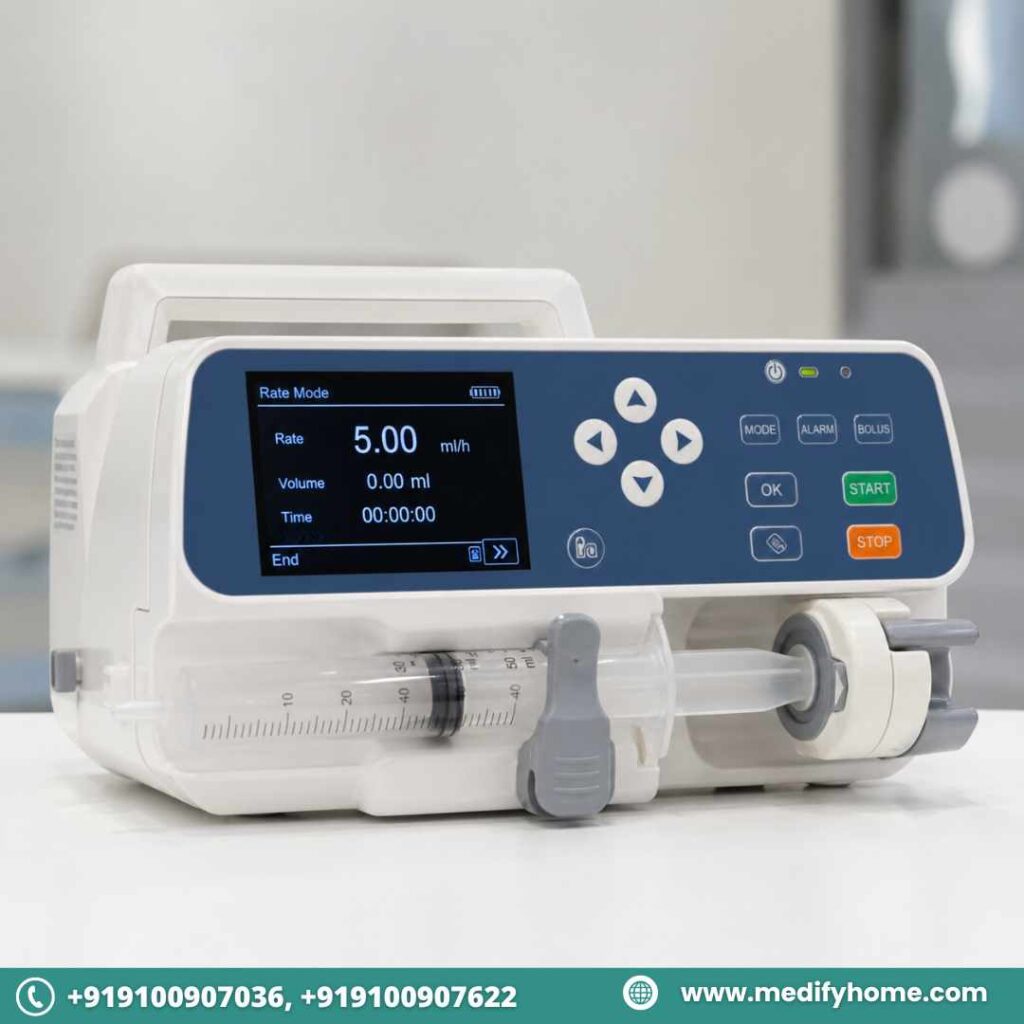
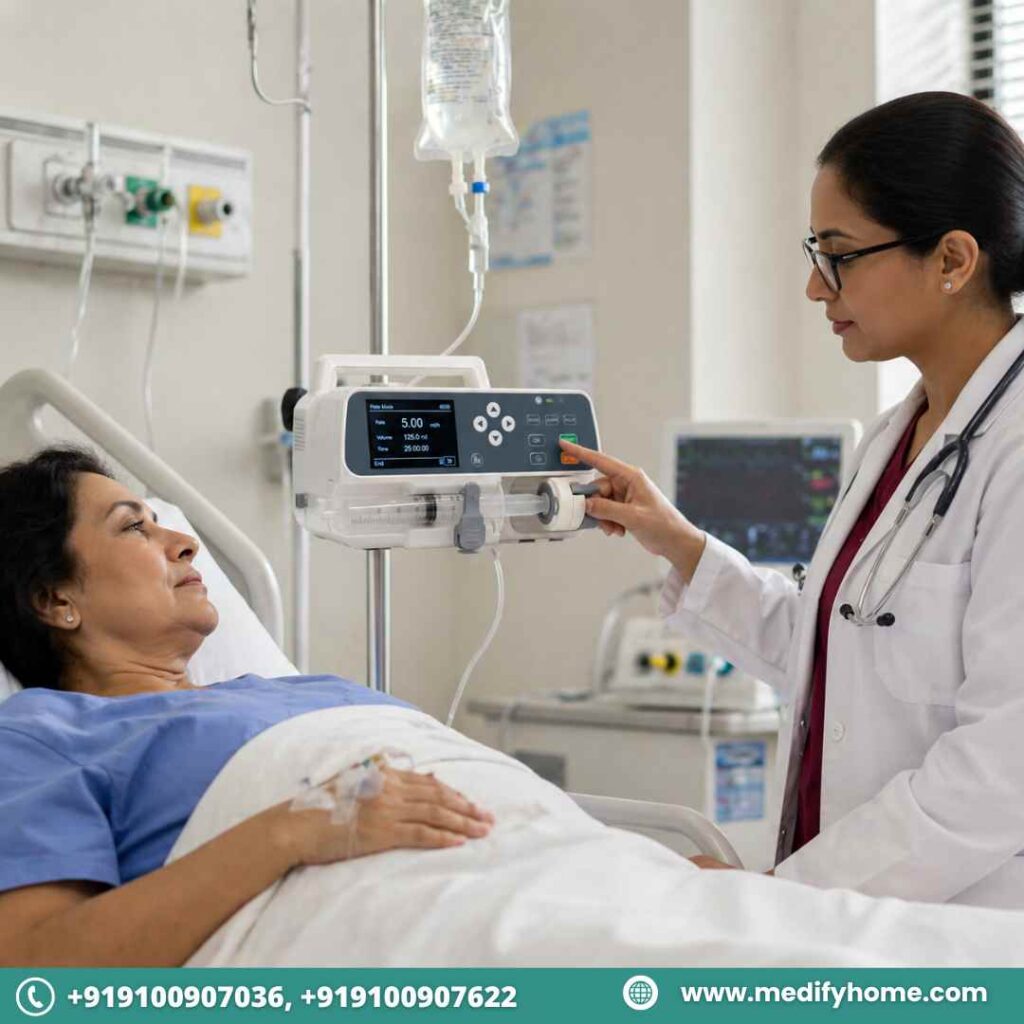
Syringe pump for rent offers a reliable way to ensure medicines and other fluids are delivered accurately without buying costly devices. Syringe pump rental is applicable for various uses in hospitals, ICUs, and home care settings where precise medication delivery is required. Syringe pump rental offers significant benefits for short-term applications in post-operative, analgesic, chemotherapeutic, and neonatal therapy. With syringe pumps, you will always receive a steady administration of medicines at preprogrammed flow rates. With portable and programmable options available, renting syringe pumps is always a convenient choice.
Book an Appointment
What is a Syringe Pump?
A syringe pump is a type of medical device used to deliver precise amounts of medication or solution into the body. A syringe pump is the mechanism that supports the syringe and drives the plunger at a set rate. Syringe Pumps are found in hospitals and clinics to deliver the required amount of medication or solution to patients. Syringe pumps are used in critical care, neonatal care, chemotherapy, and analgesia, among other areas. Syringe pumps are best suited for small doses of pharmaceutical products.
Types of Syringe Pump Available for Rent
General Syringe Pump
Price: ₹1800/month
Description: Basic syringe pump delivering medications accurately at controlled rates for standard clinical treatments.
Programmed Syringe Pump
Price: ₹2500/month
Description: Advanced syringe pump with programmable settings ensuring precise infusion rates and medication dosing accuracy.
Portable Syringe Pump
Price: ₹2000/month
Description: Compact lightweight syringe pump designed for portability, suitable for home care and transport use.
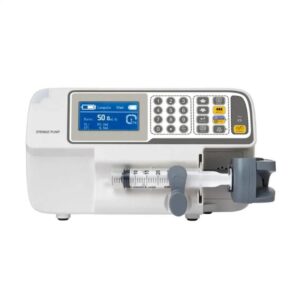
Battery-Powered Syringe Pump
Price: ₹2300/month
Description: Battery-powered syringe pump enables continuous infusion during power outages, ensuring uninterrupted patient care.
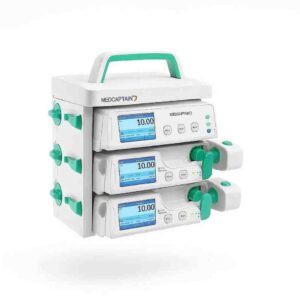
Multi-Infusion Syringe Pump
Price: ₹3500/month
Description: Handles multiple syringes simultaneously, essential for ICU patients requiring complex medication infusions together.
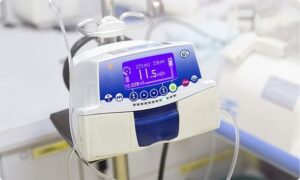
Digital Syringe Pump
Price: ₹2600/month
Description: Equipped with digital display, alarms, and controls for safe, accurate infusion monitoring and management.
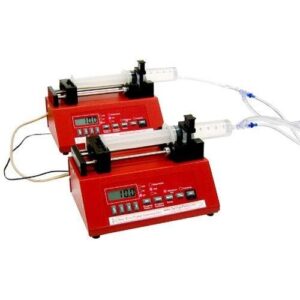
Continuous Infusion Syringe Pump
Price: ₹2400/month
Description: Designed for continuous medication delivery over time, maintaining steady infusion rates for critical treatments.
Cost of medical equipments
| Equipments | Price | Schedule |
|---|---|---|
|
Rs. 1800 |
||
|
Rs. 7500 |
||
|
Rs. 5000 |
||
|
Rs. 4500 |
||
|
Rs. 18000 |
||
|
C-Arm Machine |
Rs. 2–3 Lakhs/month |
|
|
Rs. 1000 |
||
|
Rs. 6500 |
||
|
Rs. 5500 |
||
|
Rs. 4000 |
||
|
Hematology Analyzer (CBC Machine) |
Rs. 35,000 |
|
|
Rs. 7000 |
||
|
Rs. 3500 |
||
|
Rs. 5500 |
||
|
Hospital Bed (5 Function/Electric) |
Rs. 10000 |
|
|
Rs. 4000 |
||
|
Rs. 700 |
||
|
Food Table (Overbed Table) |
Rs. 1500 |
|
|
Rs. 4200 |
||
|
Rs. 8500 |
||
|
Rs. 4500 |
||
|
Rs. 5500 |
||
|
Rs. 7000 |
||
|
Rs. 2500 |
||
|
Rs. 12000 |
||
|
Rs. 5500 |
||
|
Rs. 1300 |
||
|
Rs. 3500 |
||
|
Electric Wheelchair |
Rs. 8000 |
|
|
Patient Stretcher |
Rs. 3500 |
|
|
Recliner Wheelchair with Commode |
Rs. 4500 |
|
|
Recliner Wheelchair (Premium) |
Rs. 4000 |
Why Syringe Pumps Are Used in Healthcare
Syringe pumps have been widely adopted in hospitals due to their ability to administer medication accurately, a key factor in patient safety. Certain drugs are injected into patients at specific dosages within a stipulated time frame, and any variation can affect the outcome.
Why are syringe pumps used in healthcare?
- Offer high accuracy and precision of medication delivery
- Help sustain a steady infusion rate
- Prevent risk of under- or overdose of medications
- Indispensable when administering medication to critical care patients and ICU patients
- Preferred option for infants’ and children’s therapies that use small doses
How Does a Syringe Pump Work?
The syringe pump delivers medications or other liquids into the patient’s body at a regulated, measured rate over a specified timeframe. The syringe plunger is pushed by a motorized mechanism at the programmed flow rate.
How it works:
- A syringe loaded with medicine is inserted into the syringe pump
- The required flow rate and total volume of the dose are programmed
- The motor mechanism gently moves the plunger forward
- Medicines are injected via tubing into the body of the patient
- Flow sensors track the rate and identify any obstructions or malfunctions
- In-built alarm signals any disruptions to healthcare providers
Medical Equipment List
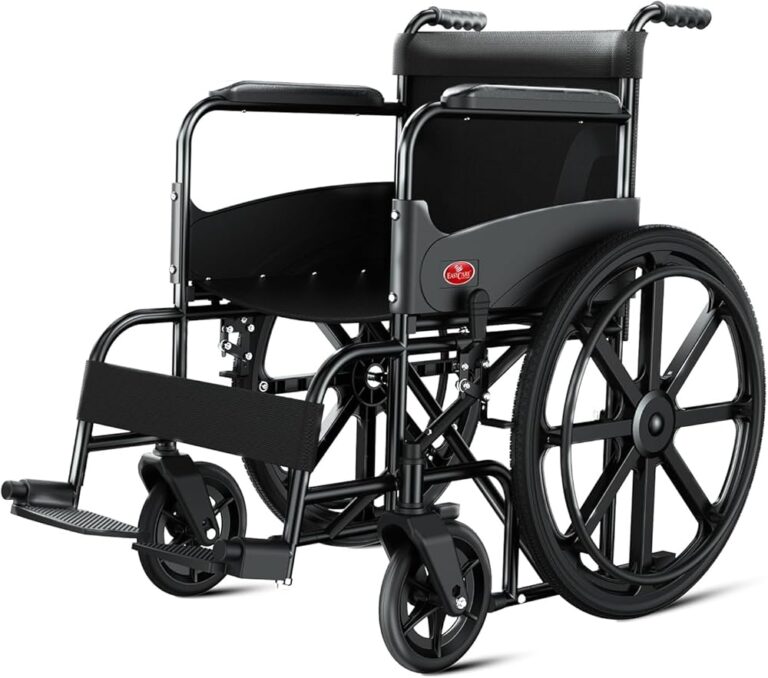
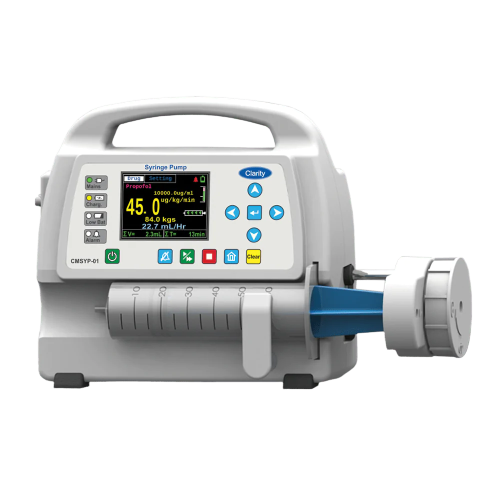
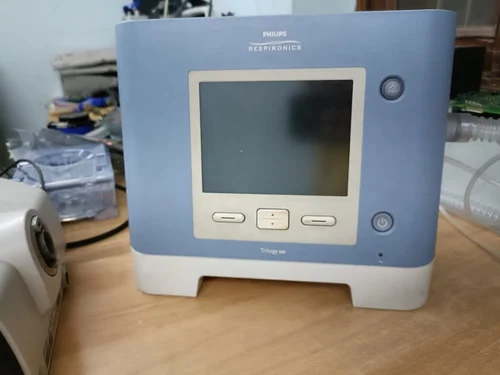
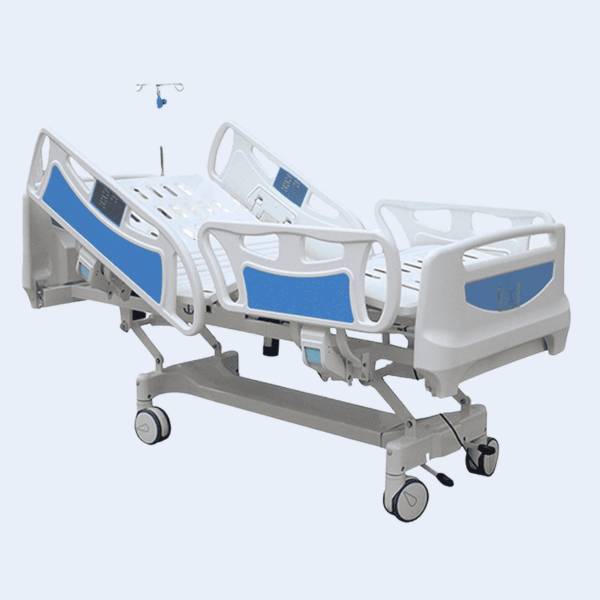
Key Components of a Syringe Pump System
A syringe pump consists of several integral parts that effectively deliver drugs to patients. All components of such devices are essential for accurate, continuous fluid administration.
Integral parts of a syringe pump:
Syringe Holder: Used to hold the syringe firmly
Plunger Mechanism (Drive System): A mechanism driven by a motor used to advance the plunger of the syringe
Control/Display Panel: Allows one to control infusion rates and volume
Microprocessor System: Controls the accurate delivery of the drug
Infusion Line (Tubing): Connects the syringe with the patient receiving fluid administration
Uses of Syringe Pump in Medical Treatment
Syringe pumps are significant medical equipment used to administer medication and liquids through a highly controlled process. Their significance lies in their use in situations where accuracy and precision are essential to achieving optimal treatment outcomes.
Syringe pump use in medical treatment:
- Critical care medication administration in ICU settings
- Pain medication administration in a controlled manner
- Chemotherapy medication administration in precise infusions
- Baby and children’s treatment for accurate dosages
- Continued administration of antibiotics and other medications
- Anesthesia for surgical treatment
- Nutritional and liquid treatments
- Medical emergencies requiring urgent treatment
How to Choose the Right Syringe Pump
- Think about the accuracy and flow rate for the treatment procedure
- Compatibility with various types of syringes should be determined
- A portable or fixed pump should be selected depending on the frequency of use
- Programmability will give you more accurate results
- It is recommended that you have an appropriate display and controls
- Safety features, such as alarms for occlusion, air bubble detection, and battery levels, should be available
- Think about including a battery backup
- A single-channel or multi-channel pump should be selected depending on the type of treatment
- Reliability should be considered
How Our Rental Process Works




Limitations and When Syringe Pumps Are Not Used
Syringe pumps are highly effective for administering drugs; however, they cannot be used in all medical applications. Various constraints and situations dictate the use of alternative infusion methods.
Constraints and occasions on which syringe pumps are not used:
- Not recommended for large volumes of fluid infusion (preferably use IV infusion pumps)
- Have low syringe volume and need constant refills for prolonged usage
- Not applicable in environments that lack adequate monitoring and trained health personnel
- Sensitive to blockage in the infusion tubing during delivery
- Programmed correctly to prevent any dose calculation error
- Should not be applied in case of emergency infusion (requires rapid delivery of large fluid volumes)
Key Features of Syringe Pumps
The syringe pump features advanced technology that enables accurate, safe medication infusion in hospitals and non-hospital settings. Syringe pumps have features that can be relied upon in any setting where medication infusion is required.
Important features of a syringe pump:
- Ability to deliver medications with precision and accuracy
- Programming of rate, volume, and time of infusion
- Digital monitor displaying all the information
- Inbuilt alarms for occlusion, battery failure, and error messages
- Portable and compact size for easy transportation and handling
- Battery backup to ensure constant infusion
- Ability to work with syringes of varying sizes
- User-friendly controls that are simple to understand
- Overdose prevention safety feature
- Monitoring of data
Safety Guidelines for Syringe Pump Usage
It is important to follow appropriate protocols to safely administer drugs using the syringe pump and avoid any complications due to improper administration of the drug.
Guidelines for safe syringe pump use:
- Use the appropriate syringe in accordance with the specifications of the syringe pump
- Secure the syringe properly in its holder
- Set the rate and volume of fluid to be administered based on clinical instruction
- Make sure to double-check the settings before administering to avoid making dosage mistakes
- Check the tubing to make sure there are no bends or leaks that can obstruct the passage of fluid
- Practice proper hygiene when handling the syringes and infusion lines
- Monitor the device constantly while it operates
- Observe all warnings and take immediate action upon hearing an alarm
- Keep the device powered and have a backup power source
- Never change the settings without consulting your doctor
Common Problems and Troubleshooting
Syringe pumps are dependable machines; however, even as medical devices, they can present some operational challenges. Knowing common difficulties and troubleshooting tips ensures that drug delivery is consistently performed without interruptions.
- Common Difficulties and Troubleshooting Tips:
- Occlusion alarm (blocked): Check if there are any clots or kinks in the tubing
- Air-in-line alarm: Eliminate air bubbles in the syringe and infusion tube before resuming
- Improper flow rate: Re-program flow rate parameters and re-insert the syringe correctly
- Low battery warning: Power up the device immediately or change its battery
- Dislocated syringe: Make sure to secure the syringe within the syringe holder
- Tubing leakage: Check for leakage along tubing connections and replace broken ones if necessary
- Machine does not function: Ensure proper power connection, switch, and battery conditions.
- Recurring alarms: Confirm all machine settings, connections, and patient line conditions
Why Choose Medifyhome for a Syringe Pump on Rent?
Medifyhome is an excellent option for renting syringe pumps in India, offering high-quality, professionally maintained models ideal for hospitals, ICUs, and even domestic use. The Medifyhome company offers clients a range of syringe pumps to ensure accurate and effective drug delivery for the desired treatment. In addition, the company emphasizes patient safety by providing clients with high-quality syringe pumps that are regularly checked to ensure they work perfectly. It is possible to benefit from the best syringe pumps at home without spending much money, thanks to the company’s flexible rental terms.
Testimonials
“After my discharge, I was still weak and needed constant monitoring at home. Taking a patient monitor on rent was one of the best decisions. It helped my family keep track of my health without panic, especially at night. I felt more secure and less dependent on hospital visits during recovery.”
Sunita Rao
Post-Surgery Recovery Patient
“I have been dealing with breathing issues for a long time, and regular hospital visits were exhausting. This monitor made things much easier for me. I could check my oxygen levels anytime, and it gave me confidence to manage my condition at home comfortably.”
Arvind Patel
Chronic Respiratory Patient
“My children arranged a patient monitor for me at home, and it really gave me peace of mind. At my age, even small health changes can be worrying, but this device helped us stay alert. It made me feel safer knowing my health was being checked regularly without going to the hospital.”
Farida Khan
Elderly Patient (Home Care)
FAQs
What are syringe pumps used for when they are rented?
Rented syringe pumps are used to administer medication and other fluids in a precise, consistent manner during treatment.
How can renting a syringe pump aid home treatment procedures?
Syringe pump rentals are useful for home treatments, as they enable precise medication administration without the need to buy costly equipment.
Are there any benefits of using a portable syringe pump at home?
One can use a portable syringe pump at home as it is small, user-friendly, and allows for constant administration.
What are infusion syringe pumps utilized for in hospitals?
Infusion syringe pump rentals are used in hospitals to control medication administration.
Who needs an ICU syringe pump for treatment?
The need for an ICU syringe pump arises when someone needs an accurate dosage of drugs administered in intensive care situations.
Is it possible to use a syringe pump for chemotherapy at home?
Yes, it is possible to use a syringe pump for chemotherapy at home if properly guided and supervised.
Is it okay to rent a syringe infusion pump for short-term use?
Yes, renting a syringe infusion pump works fine for a short period when someone is recovering, needs pain relief, or is in critical condition.
Why should one consider using a syringe pump for precise drug delivery?
A syringe pump for precise drug delivery gives you accurate administration without human error.