Ultra-Processed Foods: How to Identify Them, What to Avoid, andRead More
Why Cheaper Sugary Drinks & Alcohol Are Increasing Diseases
Table of Contents
What will be the reason for cheaper sugary drinks & alcohol increasing diseases?
The major reason why cheaper sugary drinks health risks and alcohol lead to diseases is that people tend to consume more of them because of easy affordability. When people realise that the products are cheap, there is lesscresistance to purchasing them regularly. This eventually leads to a habit that iscformed on a day-to-day basis. According to the World Health Organization, this leads to an increase in lifestyle diseases such as obesity, diabetes, heart problems, and liver problems.
Another major reason for the consumption of unhealthy products is that many countries have poor tax systems that do not regulate the prices of unhealthy products. When people become wealthy and realize that the products are cheap, they can consume them regularly and habitually, especially the youth. This leads to early consumption and subsequently to diseases in later years. To explain this further, people consume unhealthy products because they are cheap and can be consumed without any knowledge of the damage that is done to their health.
Why Are Cheap Drinks Dangerous?
Cheap sugary drinks and alcohol may look harmless, but their low price makes them more dangerous than people realize. When these products are easily affordable, they slowly become part of daily life, increasing health risks over time. The World Health Organization highlights that affordability is one of the biggest drivers of overconsumption.
Key Reasons Why Cheap Drinks Are Dangerous:
Higher Consumption:
Low prices encourage people to buy more frequently, leading to excessive intake without much thought.
Habit Formation:
Regular consumption turns into a long-term habit, making it difficult to reduce or stop later.
Increased Risk of Diseases:
Cheap sugary drinks contribute to obesity and diabetes, while alcohol increases the risk of liver disease, cancer, and heart problems.
Early Exposure Among Youth:
Affordable pricing makes it easier for young people to start consuming these drinks at an early age.
Addiction and Dependency:
Alcohol, in particular, can lead to dependency, especially when it is easily accessible and affordable.
Hidden Health Damage:
Many people do not notice immediate effects, but long-term consumption silently damages the body over time.
Frequent and Mindless Consumption:
When drinks are cheap, people tend to consume them casually—during meals, outings, or even daily routines.
Health Risks of Sugary Drinks

Sugary drinks may appear to be very refreshing and harmless, but the effect of regularly consuming them can have significant negative implications for the body. These drinks are known to contain large amounts of sugar and calories, yet they are very low in nutrients. Drinking them regularly may take its toll on
the body, eventually leading to the development of lifestyle diseases. According to the World Health Organization, the high consumption of sugary drinks is one of the main reasons for the rise of lifestyle diseases.
Major Health Risks:
● Obesity:
Sugary drinks contain excess calories that are not filling, leading to weight gain over time.
● Type 2 Diabetes:
High sugar intake affects insulin function, increasing the risk of developing diabetes.
● Heart Disease
Excess sugar can raise blood pressure and increase harmful fat levels in the body, affecting heart health.
● Fatty Liver Disease:
High Sugar, especially fructose, can lead to fat buildup in the liver, causing long-term damage.
● Dental Problems:
Sugar feeds harmful bacteria in the mouth, leading to tooth decay and cavities.
● Low Nutritional Value:
These drinks replace healthier options like water and fresh juices, reducing overall nutrient intake.
Health Risks of Alcohol Consumption
Though drinking alcohol is common in social gatherings, drinking in excess can have severe health consequences on both physical and mental health. Drinking has a gradual impact on the health of the body, affecting all the organs and leading to various health complications. The World Health Organization has stated that drinking is one of the major health risks that cause preventable diseases and death globally. Drinking in excess, or even in moderation over
time, has the capacity to slowly damage the health of the body without any warning symptoms.
Major Health Risks:
Liver Disease:
Long-term alcohol use can damage the liver, leading to conditions like fatty liver, hepatitis, and cirrhosis.
Increased Cancer Risk:
Alcohol consumption is linked to cancers such as liver, mouth, throat, and breast cancer.
Heart Problems:
Excessive drinking can raise blood pressure and increase the risk of heart disease and stroke.
Mental Health Issues:
Alcohol can affect brain function, leading to anxiety, depression, and mood disorders.
Addiction and Dependency:
Regular alcohol use can lead to addiction, making it difficult for individuals to control their consumption.
Weakened Immune System:
Alcohol reduces the body’s ability to fight infections, making people more vulnerable to illnesses.
Accidents and Injuries:
Impaired judgment and coordination increase the risk of road accidents, falls, and other injuries.
The Hidden Affordability Problem
One of the less visible but equally important contributing factors to the increasing levels of sugary drinks and alcoholic beverages is what experts call the “hidden affordability problem.” This is where, even if prices for such products do not rise significantly, they become more and more affordable over time. This is because, even though individuals’ incomes rise, taxes and prices for such products do not rise at a corresponding rate. According to the World Health Organisation, many nations across the globe have not been updating their
taxation systems sufficiently, and this is allowing these harmful products to become more and more accessible without a corresponding rise in prices.
In simpler terms, individuals may not realise that they are spending less and less of their income on these products than they used to, and this is causing them to end up consuming more and more of these products. This is a silent and powerful driver for unhealthy habits to develop without individuals being aware pricesof it.
Why Are Current Taxes Failing?
Taxes on such products aim to limit consumption. However, in many countries, taxes on such products are not functioning properly. One of the major reasons for this is that taxes on such products are too low to create any difference. According to the World Health Organisation, taxes on such products are only levied on a small percentage of the actual price of the products. This is not making any difference in consumer behavior. Consumers are still consuming
such products without any hesitation.
Another major reason for this is that taxes on such products are not being regularly reviewed and changed according to inflation and income levels. With time, taxes on such products become less because people are earning more and prices remain constant. Besides this, poor implementation of policies and lack of strict regulations allow companies to keep prices low and offer discounts on
such products.
In simple terms, the current tax system is failing because it is weak, outdated, and inadequately implemented. Without a strong and updated tax system, it becomes hard to control the level of consumption and the increasing health burden of diseases associated with sugary drinks and alcoholic beverages.
What Are Health Taxes?
Health taxes are special taxes applied to products that can harm people’s health, such as sugary drinks, alcohol, and tobacco. The main purpose behind the
implementation of these taxes is to make the products more expensive so that people think twice before purchasing them. At the same time, it helps governments to reduce the consumption of harmful products and increase public health. According to the World Health Organization, health taxes are one of the best ways to prevent lifestyle diseases and control the increase in health problems.
In simpler terms, health taxes work by increasing the price of harmful products. This leads to a reduced quantity of those products being demanded. When the price of a product increases, people start to think before purchasing non-essential goods like sugary drinks and alcohol. One of the best advantages
of health taxes is that the revenue obtained can be used to support public health and prevent diseases. This leads to a cycle in which individual and public health benefit.
Benefits of Health Taxes:

Reduces Consumption of Unhealthy Products:
Higher prices discourage people from frequently buying sugary drinks and alcohol, leading to lower overall consumption.
● Improves Public Health:
Reduced intake of harmful products helps decrease the risk of obesity, diabetes, heart disease, and other lifestyle-related conditions.
● Encourages Healthier Choices:
People are more likely to switch to healthier alternatives like water, fresh juices, or low-sugar options.
● Generates Government Revenue:
Health taxes provide additional income that governments can use for healthcare services and public health programs.
● Supports Disease Prevention Programs:
The revenue collected can be invested in awareness campaigns, early diagnosis, and preventive healthcare initiatives.
● Reduces Healthcare Costs:
Lower disease rates help reduce the financial burden on hospitals and healthcare systems over time.
● Targets High-Risk Consumption:
These taxes are especially effective in reducing excessive consumption among heavy users and vulnerable groups.
Impact on Youth & Future Generations?
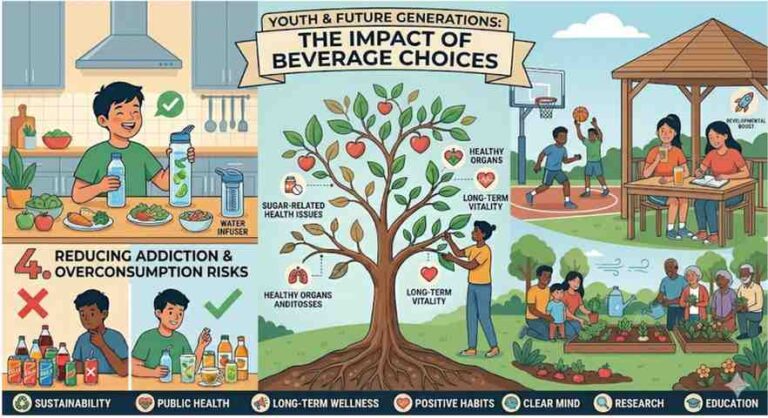
The rise of cheaply available sugary drinks and alcoholic beverages is having a profound impact on the lives of young people and the coming generations. As the prices of unhealthy beverages come down, young people are more likely to adopt the practice of consuming the products at a very young age. As a result, the coming generations are likely to develop unhealthy lifestyle practices, which can prove to be detrimental to their health in the long run. As stated by the World Health Organization, young people who indulge in the practice of consuming unhealthy beverages at a very young age are more likely to suffer from lifestyle diseases like obesity, diabetes, and liver-related problems in the
long run.
The other major problem associated with the rise of cheaply available, unhealthy beverages is the fact that young people are more likely to be swayed by the prices of the available beverages. As the prices of unhealthy beverages come down, the practice of consuming the beverages becomes a regular feature of young people at social gatherings, schools, and home, which can prove to be detrimental to the health of the coming generations. In simple terms, cheap and easily available drinks are not just affecting individuals today—they are shaping the health of future generations. Without proper awareness and control, this trend can lead to a cycle of poor health that
continues for years to come.
The Economic Impact on Society
The increasing consumption of cheaper quantities of sweet drinks and alcoholic beverages not only poses health risks, but it also poses an increasing financial threat to society. With the rise of obesity, diabetes, heart disease, and liver disease, healthcare costs are also escalating. According to the World Health Organization, these preventable diseases are placing considerable pressure on healthcare systems, particularly in developing countries.
In other words, while the economy is benefiting through the growth of these sectors, society is paying the price in the form of increased healthcare costs. The reduction of these products is not just the need of the hour in the context of health; it is the need of the hour in the context of the economy as well.
What Can Individuals Do?
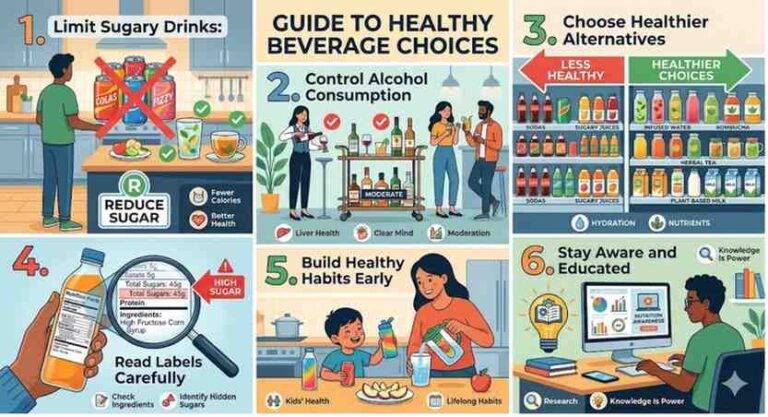
Although policies and taxes are very important, personal actions can be very significant in reducing health risks. Personal actions can be very effective in maintaining one’s health and preventing future problems that can be caused by sweetened beverages and alcohol. The World Health Organization has also emphasized the role of awareness and consumption.
Six Simple Steps to Follow:
1. Limit Sugary Drinks: Reduce the intake of soft drinks and packaged juices; choose water or natural alternatives instead.
2. Control Alcohol Consumption: Avoid regular drinking and set clear limits to prevent long-term health risks.
3. Choose Healthier Alternatives: Opt for water, fresh juices, coconut water, or low-sugar beverages.
4. Read Labels Carefully: Check sugar content and ingredients before buying packaged drinks.
5. Build Healthy Habits Early: Encourage children and family members to develop healthy drinking habits from a young age.
6. Stay Aware and Educated: Understanding the risks helps in making better daily choices.
Conclusion
The World Health Organisation 2026 report clearly states that this is one growing concern among all, and when sugary drinks and alcohol become cheaper, their consumption will definitely increase. Along with this, the risks of acquiring serious diseases will also increase. What may seem to be a small habit that one develops every day may slowly lead to serious diseases and health conditions such as obesity, diabetes, heart conditions, and liver conditions.
This is not only about individuals and the choices they make, but it is also a growing public and economic concern. The lack of proper taxation, affordability, and lack of awareness have allowed these harmful drinks to become a regular part of our lives, especially among our youth.
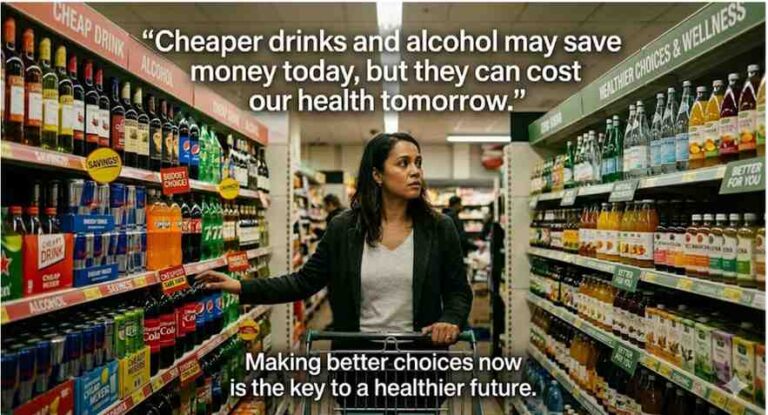
"Cheaper drinks may save money today, but they can cost our health tomorrow. Making better choices now is the key to a healthier future.”
FAQs
Why are cheaper sugary drinks causing diseases?
Cheaper sugary drinks cause diseases because cheaper products are consumed in larger quantities. This leads to lifestyle diseases such as diabetes and obesity.
How do sugary drinks impact our long-term health?
Medifyhome offers the best services for a cardiologist consultation with Dr M Srinivasa Rao.
What are the health risks associated with drinking alcohol?
Drinking alcohol can lead to diseases such as liver problems, cancer, heart
conditions, mental illness, and accidents.
Why is the World Health Organization recommending that taxes on sugary drinks and alcohol be increased?
The WHO is recommending that taxes on alcohol and other sugary products beraised to reduce consumption and improve public health.
What is a health tax, and how does it work?
Health taxes are extra charges on harmful products like sugary drinks and alcohol, making them more expensive and reducing their overall consumption
Why are taxes on sugary drinks and alcohol currently ineffective?
Current taxes on sugary drinks and alcohol are too low and are not regularly reviewed to ensure that they keep pace with inflation.
How do cheap drinks affect young people?
Cheap drinks encourage young people to start early and lead unhealthy lifestyles, making them prone to diseases such as obesity, diabetes, and other lifestyle diseases.
Can reducing sugary drinks improve health?
Yes, reducing sugary drinks can improve health because it can be used to control weight, improve blood sugar levels, and reduce the risk of diabetes and heart-related diseases.
What are some alternative healthy drinks to sugary drinks and alcohol?
Water, other fruit juices, and coconut water are alternative healthy drinks that can be consumed to improve one’s health.
How can one reduce lifestyle diseases?
Individuals can reduce risk by limiting sugary drinks and alcohol, choosing
healthier options, staying active, and building better daily habits.