

Sleep Apnea: Early Warning Signs, Health Risks, Diagnosis and Treatment SleepRead More
10 Signs an Elderly Parent May Need Home Care Support
An elderly parent may need home care if everyday tasks such as bathing or dressing have become difficult, they are falling more often, missing medicines, losing weight without trying, or struggling to keep their home safe and manageable. Spending more time alone or seeing the main family caregiver become exhausted can also be signs that extra support is needed. When several of these changes appear together, it may be time to consider a care assessment.
It often starts with little things. You notice that the pill organiser hasn’t been opened since Sunday. Your mother is wearing a stained shirt you know she would never have worn before. There is expired milk in the fridge and very little fresh food. None of these things feels like an emergency on its own, so it is easy to brush them aside. Then there is a fall, a hospital visit or another incident that suddenly makes the need for help impossible to ignore.
If you’ve been quietly wondering whether your parent needs home care, that feeling is worth paying attention to. Adult children often notice these changes before their parents talk about them. Many older parents hesitate to admit they are struggling because they don’t want to lose their independence, worry their children or feel like a burden.
This guide covers ten common signs that an elderly parent may need extra support at home. It also explains how to distinguish normal ageing from changes that deserve attention, what types of elderly care at home are available, how to talk to your parent about getting help, ways to make the home safer and what to look for when choosing a care provider.
One sign by itself does not necessarily mean your parent needs full-time care. It is usually the pattern of changes that tells you it may be time to look for support.
Table of Contents
When Does an Elderly Person Start Needing Extra Support at Home?
There is no particular age when someone suddenly starts needing care. Some people remain independent well into their 80s, while others may need help much earlier after an illness, surgery or injury.
The more important question is whether your parent can still manage everyday activities safely and comfortably. When ordinary tasks start taking much longer, becoming stressful or creating safety concerns, it may be a sign that some support would help.
Healthcare professionals generally look at two types of everyday activities. The first includes basic personal tasks such as bathing, dressing, eating, using the toilet and moving around. The second includes activities needed to manage a household, such as cooking, shopping, paying bills, taking medicines and using the phone. Difficulty with either group can be a useful sign that extra help may be needed.
Normal Ageing vs Changes That Need Attention
Ageing naturally brings some changes and the difference is often easier to understand when you look at the overall pattern.
| Area | Usually normal ageing | Worth paying attention to |
|---|---|---|
|
Memory
|
Forgetting a name but remembering it later
|
Repeatedly asking the same question within minutes or getting lost on familiar routes
|
|
Movement
|
Walking a little more slowly or needing an occasional rest
|
Frequent stumbles, holding onto furniture while walking or developing a new fear of walking
|
|
Energy
|
Feeling tired after a busy day
|
Sleeping much of the day or losing interest in activities they normally enjoy
|
|
Eating
|
Having a smaller appetite occasionally
|
Regularly skipping meals, losing weight or having trouble chewing or swallowing
|
|
Appearance
|
Taking longer to get ready
|
Wearing soiled clothes repeatedly, noticeable body odour or neglecting hair and nails |
|
Mood
|
Feeling low after a loss or missing old friends
|
Ongoing sadness, anxiety, withdrawal or unusual irritability
|
Look at the pattern rather than one difficult day. Everyone has an off day. But when the same problem keeps showing up for several weeks, it is worth taking a closer look.
10 Signs an Elderly Parent May Need Home Care
1. Difficulty Managing Daily Activities
Start with the everyday basics: getting out of bed, bathing, getting dressed, using the toilet, eating and moving safely around the house. These are often called activities of daily living and can give you a good idea of how independently your parent is managing.
You may notice that your parent takes much longer to get dressed, avoids bathing, wears the same clothes for several days or holds onto walls and furniture while walking. If something they once handled easily has become difficult, even a few hours of support each day can make daily life safer and less tiring.
Getting help does not mean taking away their independence. In many cases, the right support can actually help them stay independent for longer.
2. Frequent Falls, Near-Falls or Unsteady Walking
Falls are a major concern for older adults. More than one in four people aged 65 and above fall each year, and a serious fall can result in a fracture, hospitalisation and a lasting fear of falling again.
Look for unexplained bruises, marks on walls where your parent may have grabbed for support or a sudden reluctance to use the stairs. Near-falls matter too. If you keep hearing, “I only slipped a little,” it is worth taking seriously.
A shuffling gait, dizziness or a new difficulty with walking should be discussed with a doctor. A physiotherapist may also help improve strength, balance and confidence with movement.
3. Medicines Are Being Missed or Taken Incorrectly
Take a quick look at the medicine box. Are there tablets left over that should already have been taken? Are there duplicate strips, expired medicines or bottles without clear labels?
Managing several medicines at different times of the day can become confusing, especially when there are multiple prescriptions.
Missing medicines can affect conditions such as blood pressure and diabetes, while accidentally taking an extra dose can also be dangerous. Other warning signs include mixing up morning and evening medicines, running out of tablets without realising it or being unable to explain what a medicine is for.
A caregiver or nurse can help with medicine reminders, organise a pill box and keep an eye on whether medicines are being taken as prescribed.
4. Personal Hygiene or Grooming Starts Declining
This can be one of the clearest signs, but it is also one of the most difficult things for a family to talk about.
You might notice stronger body odour, unwashed hair, overgrown nails, the same clothes being worn repeatedly or a smell of urine around the house.
There can be many reasons behind this. Stiff joints, pain or fear of falling may make bathing difficult. In other cases, low mood or memory problems may play a role. Some parents stop bathing because the bathroom no longer feels safe.
Offering gentle help with bathing and grooming can make a big difference. When it is done respectfully, support can improve comfort and hygiene without making your parent feel that they have lost control.
5. Unexplained Weight Loss or Changes in Eating Habits
Pay attention to what is in the fridge and what your parent is actually eating. Weight loss without trying should be discussed with a doctor, particularly when it is around 5% of body weight over a few months.
You may notice that clothes have become loose, the fridge is nearly empty, food has expired or meals have been replaced with little more than tea and biscuits.
The reason may be something simple, such as difficulty cooking or a reduced appetite. Dental problems, difficulty swallowing, low mood or an underlying health condition can also affect eating.
Good nutrition is important for maintaining muscle strength, supporting immunity and helping the body recover. Sometimes the solution is as simple as having someone prepare meals or sit with your parent while they eat. In other situations, a dietitian may be useful.
6. The Home Environment Is Becoming Difficult to Manage
Sometimes the home shows you that something has changed before your parent says anything.
Look for piles of unopened mail, dirty dishes, overflowing bins, spoiled food, unpaid bills or plants that are no longer being cared for. These may be signs that everyday household responsibilities are becoming overwhelming.
Safety is equally important. Loose rugs, poor lighting, cluttered floors, an unattended gas stove or a slippery bathroom can increase the risk of an accident.
For someone living alone, a home that was once easy to manage can gradually become difficult and unsafe. Regular help with household tasks, along with a few simple safety changes, may allow your parents to continue living comfortably in familiar surroundings.
7. They Are Becoming More Isolated or Withdrawing From Normal Activities
Has your parents stopped going to the temple, visiting the park, meeting their morning-walk group or playing cards with friends?
Pulling away from regular social activities can be more than simply feeling lonely. Social isolation can affect mood, sleep, memory and overall wellbeing.
Sometimes it appears through small excuses: “I’m tired,” “I don’t feel like going,” or “I’ll go next time.” Fewer phone calls, ignored invitations and spending most of the day watching television can also be clues.
Companionship can help. A caregiver who talks with your parent, goes for a walk, plays cards or simply spends time listening can provide valuable social connection alongside practical support.
8. If They Are Struggling to Manage Household or Personal Responsibilities
Managing a home involves many small tasks: cooking, shopping, paying bills, keeping appointments and handling money.
When these start becoming difficult, you may notice unpaid bills, missed medical appointments, confusion about banking or deliveries, or repeated calls asking family members for help.
This is not necessarily laziness. The physical and mental effort involved may simply have become too much.
Someone who can help with cleaning, cooking, errands and everyday tasks can take a significant burden off your parent. In some cases, a few visits each week may be enough.
9. They Are Having Increasing Difficulty Managing Health Needs
As people grow older, they may have more health conditions to manage, including high blood pressure, diabetes, heart disease, arthritis or breathing problems. They may also need additional support while recovering from surgery or illness.
You may notice that your parent is skipping check-ups, forgetting the doctor’s instructions, struggling to monitor blood sugar or blood pressure, or needing hospital care more frequently.
Trained nurses and therapists can help manage many of these needs at home. Depending on the care plan, they may monitor vital signs, give injections, manage dressings and report important changes to the doctor.
For someone recovering from an illness or hospital stay, receiving appropriate care at home can also reduce the need for repeated trips to a clinic or hospital.
Examples of Support They May Need
- Home nurse for an elderly parent: Monitoring vital signs, giving injections, changing wound dressings, caring for catheters or feeding tubes and supporting recovery after a hospital stay.
- Physiotherapy at home: Exercises for strength and balance, pain management and support with movement after a fracture, surgery or stroke.
- Elderly caregiver or attendant: Help with bathing, dressing, meals, walking, toileting and companionship.
- Home healthcare services: Doctor consultations, sample collection and follow-up care without the need to travel.
10. The Family Caregiver Is Becoming Overwhelmed
Sometimes the biggest warning sign is not in your parent. It is in the person caring for them.
If you, a sibling or another family member are constantly exhausted, sleeping poorly, becoming unusually irritable, falling ill more often or putting off your own medical appointments, you may be experiencing caregiver stress.
Caregiving can become heavier over time, especially when one person is carrying most of the responsibility. Feeling tired, frustrated or even guilty does not mean you do not care about your parent.
Bringing in professional help does not mean the family has failed. It can give everyone some breathing room and make it easier to continue caring for your parent over the long term.
One Sign Does Not Always Mean an Elderly Person Needs Full-Time Care
Seeing one or two of these signs does not automatically mean your parent needs someone with them all day and night.
Many older adults only need help with specific tasks. It could be someone who comes in a few mornings a week to help with bathing, a caregiver who prepares meals or a nurse who helps manage medicines.
A care assessment can help you understand what support is actually needed. It should consider mobility, memory, health conditions, home safety, nutrition, mood and the amount of support available from family members.
The goal is to match the level of care to the actual need. That way, your parent gets enough support without arranging more care than necessary.
Needs can also change over time. After an illness, fall or hospital stay, your parent may need more help than before. Review the care plan periodically and discuss any new concerns with their doctor.
How to Assess What Kind of Help an Elderly Parent Needs
The best place to start is with the problem your parent is actually facing. You can begin with a small amount of support and increase it if their needs change.
Occasional Household Support
This can work well for parents who are mostly independent but find certain household tasks tiring.
Support may include cleaning, grocery shopping, cooking, laundry, help with bills or getting to appointments. A few hours each week may be enough to keep things manageable and prevent small problems from becoming bigger ones.
If you are unsure whether your parent needs care, this can be a simple first step.
Personal Care Support
This type of support is useful when your parent needs hands-on help with bathing, dressing, grooming, using the toilet or getting in and out of bed.
A trained caregiver can provide this assistance safely and respectfully. If your parent has started avoiding showers or wearing the same clothes for several days, personal care support may make everyday life much easier.
Regular Caregiver Support
When your parent needs help throughout the day with meals, walking, medicines, supervision or companionship, regular caregiver support may be more suitable.
Depending on their needs, this could mean a few hours each day, a full-day shift or live-in support.
Having a consistent caregiver can also help build trust. Over time, they may notice small changes in your parent’s health, mood or behaviour, which can be especially useful when your parent has memory problems or limited mobility.
Professional Nursing Support
A home nurse may be needed when care involves medical tasks such as injections, IV therapy, wound care, catheter care, tube feeding, oxygen support or monitoring of conditions such as diabetes and blood pressure.
Nurses work according to the care plan provided by the doctor and can report changes that may need medical attention.
Nursing support can be particularly useful in the weeks following hospital discharge, when your parent may still need close monitoring and assistance.
What Can Home Care Services Provide for an Elderly Person?
Home care can range from a few hours of companionship and household support to more specialised medical care. The type of support depends on your parent’s health and daily needs.
Personal Care Assistance
This may include bathing, dressing, grooming, mouth care, using the toilet and changing clothes or bed linen.
Regular personal care helps your parent stay clean and comfortable while maintaining dignity. It can also reduce the risk of some skin and hygiene-related problems.
Caregiver and Attendant Support
A trained caregiver or attendant can help with meals, medicine reminders, walking, positioning, light household tasks and companionship.
For many families, this kind of support forms the foundation of day-to-day elderly care at home.
Nursing Care
Home nursing can include monitoring vital signs, giving injections, changing dressings, catheter care, tube feeding, oxygen support and post-operative care.
The nurse follows the doctor’s guidance and keeps the family informed about relevant changes in your parent’s condition.
Physiotherapy and Mobility Support
Physiotherapy can help improve strength, balance and flexibility. It may also support people dealing with arthritis, back pain, stroke recovery or concerns about falls.
Home sessions can be particularly practical because the physiotherapist can work around your parent’s actual environment, including their bed, stairs and bathroom. Treatment may also include guidance on walking aids and safe transfers.
Medical and Recovery Support
After a hospital stay, surgery or prolonged illness, support at home can help keep recovery on track.
Depending on the care plan, this may include wound care, medicine management, monitoring, rehabilitation and coordination with the treating doctor.
It can also reduce the number of unnecessary trips to a clinic while allowing your parent to recover in a familiar environment.
How to Talk to an Elderly Parent About Getting Help
This is often the most difficult conversation to have.
Many parents initially resist home care because accepting help can feel like giving up independence. They may also worry that their children are treating them as incapable or “old.”
Start With What They Need, Not What They Cannot Do
Instead of saying, “You can’t manage anymore,” try something like, “I’ve noticed the stairs are tiring you out. Would it help if someone came for a few hours?”
Focus on practical things that could make their day easier, such as having someone help with cooking, shopping or walking.
Choose a quiet time to talk. Listen to their concerns instead of trying to convince them immediately. You can also explain your own feelings: “I’d feel more comfortable knowing someone was there to help.”
If there is one family member your parent trusts more than others, it may help for that person to start the conversation.
Involve Them in Choosing the Support
People are often more comfortable accepting help when they still have a say in how it is provided.
Let your parent meet the caregiver or nurse, choose the timing and decide which tasks they are comfortable handing over. You could also suggest a short trial period, such as two weeks, rather than presenting it as a permanent arrangement.
It can help to explain that the purpose is to make it possible for them to stay at home safely for longer.
A gradual approach is often easier than making several changes at once. If your parent remains hesitant, their family doctor or another trusted person may be able to help explain why support could be useful.
How to Make an Elderly Person’s Home Safer
A few practical changes can reduce hazards and make everyday activities easier.
You do not necessarily need to make expensive changes. Often, removing simple hazards and adding support in the right places can make a meaningful difference.
Bathroom Safety
The bathroom can be a high-risk area for falls, so it is a good place to begin. Useful changes include:
- Grab bars near the toilet and inside the shower
- Non-slip mats inside and outside the shower
- A stable shower chair and handheld shower head
- A raised toilet seat if standing up is difficult
- Keeping floors dry and using a night light on the way to the bathroom
- A bathroom door that can be opened from outside during an emergency
Bedroom Safety
Night-time trips to the bathroom can be particularly risky when your parent is tired or the room is dark. Consider:
- Keeping the bed at a height where both feet can rest flat on the floor while sitting
- Keeping a lamp or night light within easy reach
- Placing a phone, glasses, water and essential medicines on the bedside table
- Removing clutter, loose rugs and cables from the floor
- Keeping the route between the bed and bathroom clear and well lit
- Considering a bedside commode if getting to the bathroom at night is unsafe
Stairs and Walking Areas
Clear walkways and good lighting can go a long way towards reducing fall risks.
- Install sturdy handrails on both sides of the staircase
- Make sure the stairs are well lit, with switches at the top and bottom
- Use contrasting tape to make step edges easier to see
- Remove loose rugs or secure them with non-slip backing
- Keep wires, shoes and furniture out of walking paths
- Encourage well-fitting, non-slip footwear, including indoors
When Should an Elderly Person Be Seen by a Doctor?
Home care can support your parent’s health, but it does not replace medical care. Some changes should be assessed by a doctor.
Arrange a medical appointment if you notice:
- Unexplained weight loss, loss of appetite or difficulty swallowing
- Repeated falls, new dizziness or sudden difficulty walking
- New or worsening memory problems, confusion or changes in personality
- Ongoing sadness, anxiety, poor sleep or loss of interest in usual activities
- Increased thirst, frequent urination or wounds that heal slowly
- New breathlessness, swollen legs or a persistent cough
- Pain that interferes with everyday activities
- Changes in bladder or bowel habits
- Medicine side effects such as unusual drowsiness, rashes or stomach problems
Some symptoms require urgent medical attention. Call an ambulance (112 or 102 in India) or go to the nearest hospital for sudden confusion, a drooping face, slurred speech, weakness on one side, chest pain, severe breathlessness, a fall involving a head injury or suspected fracture, fainting or heavy bleeding.
If you are unsure whether a change is serious, contact your parent’s doctor. Regular health check-ups are also useful even when your parent appears to be doing well.
When Is Professional Home Care Worth Considering?
Professional home care can be useful when family support is no longer enough to keep your parent safe and comfortable.
This may happen because your parent’s care needs have increased, family members are busy or live far away, or the main caregiver has become exhausted.
A trained professional can provide consistent support while allowing family members to continue spending time with their parent without carrying every caregiving responsibility themselves.
Situations That May Require More Regular Support
- Recovery after a hospital stay, surgery or fracture
- A new diagnosis such as stroke, dementia, Parkinson’s disease or heart failure
- Repeated falls or near-falls
- Medical needs such as injections, wound dressing or catheter care
- Living alone with very little social support
- Memory problems that affect safety, such as wandering or leaving the stove on
- Children living in another city or country
- A family caregiver who is exhausted or unwell
- A need for support during both the day and night
In situations like these, a professional caregiver or nurse can provide the regular support your parent needs while giving the family some much-needed breathing space.
How to Choose a Home Care Provider for an Elderly Parent
Choosing someone to care for your parent inside their home is a big decision. Look for a provider that is transparent about staff training, background checks, supervision and pricing.
A good provider should begin by understanding your parent’s needs rather than simply trying to sell a service. The care plan should be clearly explained and, where appropriate, provided in writing.
For medical care, ask about the qualifications of the nurses and who supervises them. Take time to compare your options and pay attention to how the provider communicates with both you and your parent.
Questions to Ask Before Hiring a Caregiver
- What training and qualifications do your caregivers and nurses have?
- How are caregivers verified and background-checked?
- Have they worked with people who have similar needs, such as dementia, stroke or diabetes?
- Who supervises the caregiver, and who should I contact if there is a problem?
- What is included in the service and what costs extra?
- What happens if the caregiver is sick or unavailable?
- Can we meet or speak with the caregiver before they start?
- How will the family receive updates about my parent’s condition?
- How are emergencies handled, particularly at night?
- Can the care plan be changed if my parent’s needs change?
Elderly Home Care Checklist for Families
Save or print this checklist and use it during home visits or regular check-ins. Mark “OK” when everything seems fine and “Concern” when something needs attention. If you notice several concerns in the same area, speak with your parent’s doctor or consider a care assessment.
| Area | What to check | OK | Concern |
|---|---|---|---|
|
Daily living
|
Gets out of bed, dresses and moves around the house without difficulty
|
✔️ |
✔️ |
|
|
Bathes regularly and has clean clothes, hair and nails
|
✔️ |
✔️ |
|
|
Uses the toilet independently, with no accidents or strong odours
|
✔️ |
✔️ |
|
|
Eats regularly and can prepare or access meals
|
✔️ |
✔️ |
|
Safety and falls
|
No recent falls, near-falls or unexplained bruises
|
✔️ |
✔️ |
|
|
Walks steadily, with or without an aid, and uses stairs safely
|
✔️ |
✔️ |
|
|
Floors are clear of rugs, wires and clutter, and lighting is adequate
|
✔️ |
✔️ |
|
|
Grab bars, non-slip mats and handrails are in place where needed
|
✔️ |
✔️ |
|
|
Phone and emergency numbers are easy to reach |
✔️ |
✔️ |
|
Medicines and health
|
Takes medicines at the right time and in the prescribed dose
|
✔️ |
✔️ |
|
|
Medicine box is organised, labelled and free of expired medicines
|
✔️ |
✔️ |
|
|
Check-ups, tests and doctor visits are up to date
|
✔️ |
✔️ |
|
|
Blood pressure, blood sugar or other readings are monitored when required
|
✔️ |
✔️ |
|
|
No new pain, breathlessness, swelling or wounds that are slow to heal
|
✔️ |
✔️ |
|
Food and weight
|
Weight is stable and clothes fit as usual
|
✔️ |
✔️ |
|
|
Fridge contains fresh food and no spoiled items
|
✔️ |
✔️ |
|
|
Drinks enough fluids throughout the day
|
✔️ |
✔️ |
|
Mind and mood
|
Memory is stable, with no new confusion or repeated questions
|
✔️ |
✔️ |
|
|
Mood is generally stable and sleep and appetite are normal
|
✔️ |
✔️ |
|
|
Keeps in touch with friends or family and remains interested in hobbies
|
✔️ |
✔️ |
|
Home and household
|
Home is reasonably clean and organised
|
✔️ |
✔️ |
|
|
Bills, post and appointments are being managed on time
|
✔️ |
✔️ |
|
|
Appliances such as the stove and heater are being used safely
|
✔️ |
✔️ |
|
Family caregiver
|
Main caregiver is rested, healthy and getting regular breaks
|
✔️ |
✔️ |
|
|
Care responsibilities are shared among family members
|
✔️ |
✔️ |
|
|
Family members know who to contact during an emergency
|
✔️ |
✔️ |
Book 24*7 Service
Frequently Asked Questions About Elderly Care at Home
What are the signs that an elderly parent needs home care?
Common signs include difficulty bathing or dressing, frequent falls, missed medicines, unexplained weight loss, a home that is becoming neglected or unsafe, withdrawing from friends and an exhausted family caregiver. One sign alone may not mean your parent needs care, but several changes together are worth discussing.
When should an elderly person have a caregiver at home?
A caregiver may be useful when your parent is struggling with everyday activities, lives alone, has memory or mobility problems, has recently fallen or been discharged from hospital, or when the family cannot provide enough support. Sometimes even a few hours of help each day can make a noticeable difference.
What type of help can an elderly person receive at home?
Depending on their needs, older adults can receive personal care, caregiver or attendant support, nursing care, physiotherapy, medicine reminders, meal assistance, household help and post-hospital recovery support.
Does an elderly person need a home nurse or a caregiver?
A caregiver generally helps with everyday activities such as bathing, meals, walking and companionship. A nurse provides medical care such as injections, wound care, catheter care and vital-sign monitoring. Some older adults need only one type of support, while others may benefit from both. An assessment can help determine what is appropriate.
How can I tell if my elderly parent is struggling to live alone?
Look for skipped meals, unpaid bills, an increasingly messy or unsafe home, falls, forgotten medicines, changes in hygiene and growing loneliness. Frequent calls for help with small tasks or suddenly avoiding outings can also be clues. Talk to your parent and their doctor about what you are noticing.
How can home care help elderly people remain at home?
Home care provides support with the tasks that have become difficult, whether that means personal care, medicine reminders, nursing or physiotherapy. The aim is to help older adults remain safe and as independent as possible in familiar surroundings.
What should I look for when choosing an elderly caregiver?
Look for appropriate training, background verification, relevant experience, patience and clear communication. Ask about supervision, emergency procedures and replacement arrangements. Meeting the caregiver beforehand and seeing how your parent feels around them can also be important.
How can I talk to my parent about if they need home care?
Choose a perfect time and talk with them about what would make their daily life easier rather than listing everything they can no longer do. Explain your concerns honestly, give them choices and consider suggesting a short trial. Allowing your parent to meet the caregiver first can also make the transition easier.
Can elderly people receive physiotherapy at home?
Yes. A physiotherapist can visit the home to work on strength, balance and mobility, help manage pain and support recovery after a fracture, surgery or stroke. Home sessions also allow the therapist to work with your parent’s actual environment, including their stairs, bed and bathroom.
When should an elderly person see a doctor instead of relying on home care?
See a doctor for unexplained weight loss, repeated falls, new confusion, breathlessness, persistent pain or any significant change in health or behaviour. Seek emergency help for chest pain, signs of a stroke, severe breathing difficulty or a head injury. Home care can support medical treatment but does not replace it.
Conclusion
Realising that your parent may need more help can be difficult. But noticing missed medicines, falls, weight loss, a home that is becoming harder to manage or an exhausted family caregiver is not a sign that anyone has failed. These are simply signs that more support may be needed.
Start small. Pay attention to what is changing, talk openly with your parent, make the home safer and consider a care assessment so the support matches their actual needs.
When you’re ready to explore your options, Medifyhome can help you arrange home care support for your parent, giving you more time to be their son or daughter rather than feeling like a caregiver all the time.
Related Blogs

Dengue in 2026: Why It’s Changing in India, Symptoms, Tests, WarningRead More

Urinary Catheter Care at Home: A Complete Guide for Patients andRead More
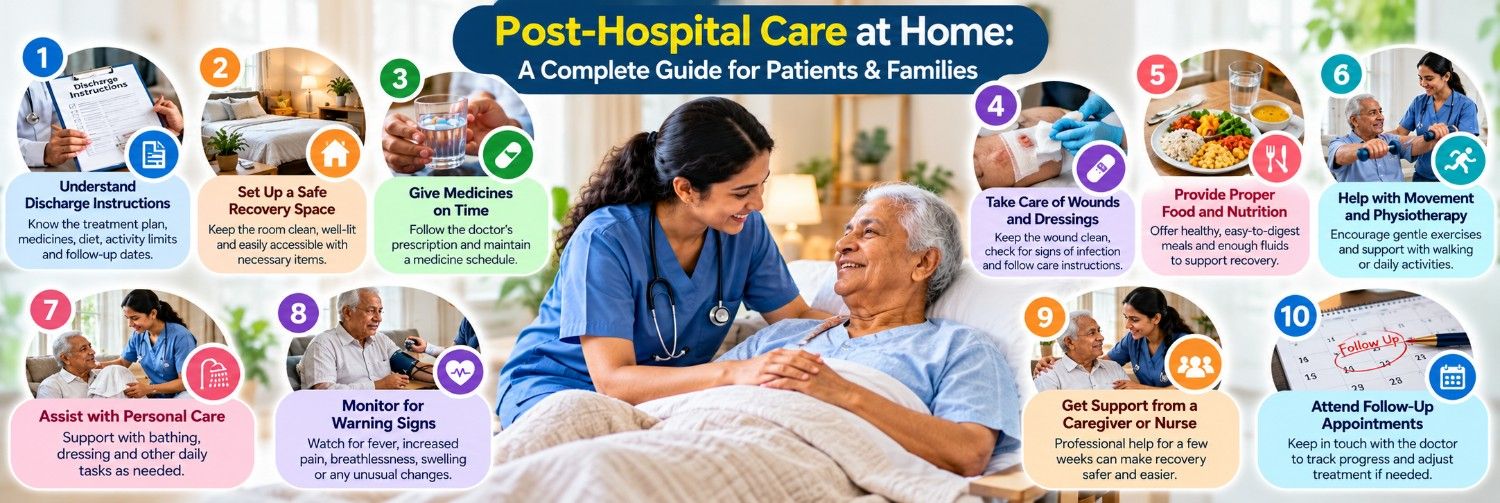
Post-Hospital Care at Home: A Complete Guide for Patients & FamiliesRead More
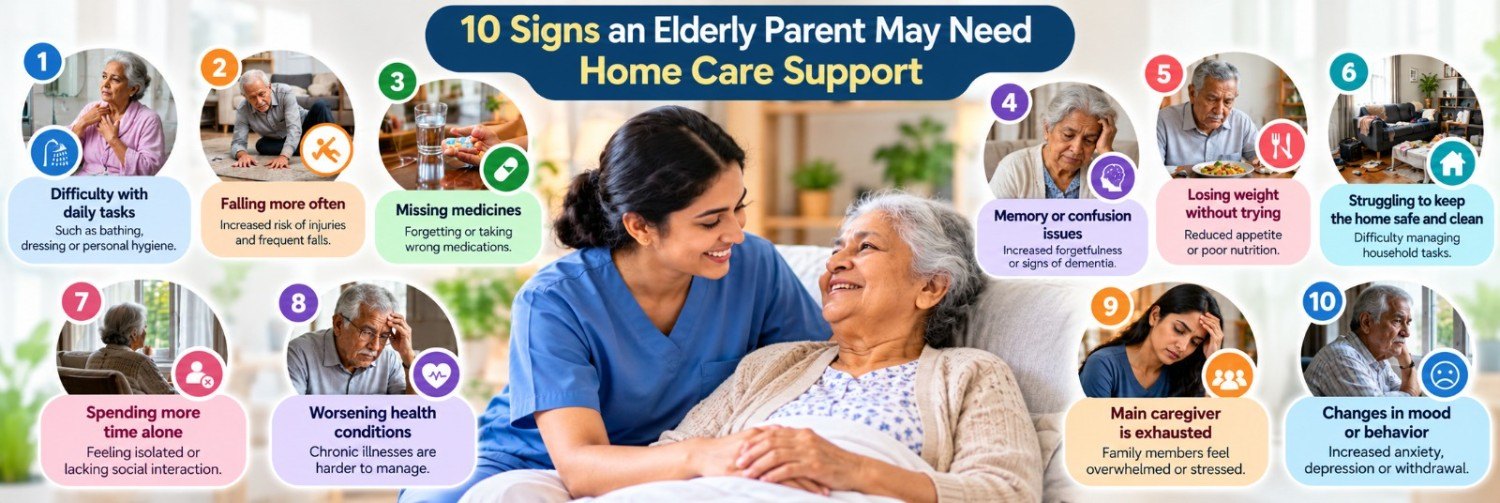
10 Signs an Elderly Parent May Need Home Care Support AnRead More

How to Care for a Bedridden Patient at Home: A CompleteRead More